
Autologous Transplant Guide: Introduction
Overview
An autologous stem cell transplant is the replacement of diseased or damaged bone marrow cells with new stem cells that have been collected from your own blood. The cells are collected, frozen and stored until you are ready to receive them. The stem cells are given after high-dose chemotherapy.
The procedure has been used successfully to treat a variety of cancer types, including lymphoma, multiple myeloma and solid tumors, such as testicular cancer.
Sometimes instead of using the patient's own stem cells, the transplant is done with bone marrow or stem cells collected from a donor. This is called an allogenic transplant.
Bone marrow and stem cells
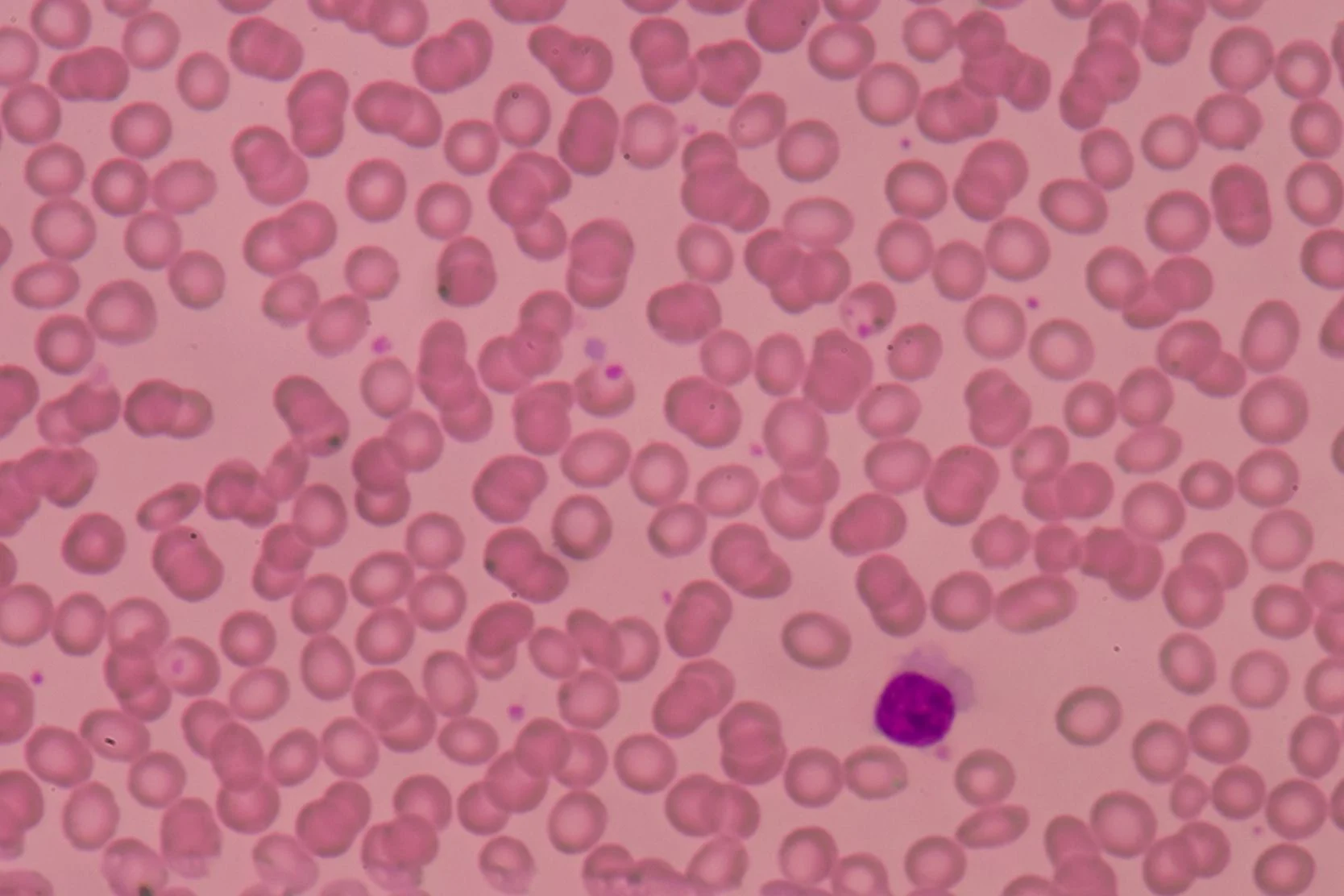
Bone marrow is the spongy tissue inside bones that produces the different types of blood cells, including:
- White blood cells, which fight infection
- Red blood cells, which carry oxygen to, and remove waste products from, organs and tissues
- Platelets, which enable the blood to clot
The cells in the bone marrow that develop into all of the different types of blood cells listed above are called stem cells. These are the important cells that are transferred during bone marrow or stem cell transplantation.
Sources of stem cells
The terms "bone marrow transplant" and "stem cell transplant" are often used interchangeably, but technically speaking they have slightly different meanings that refer to the source of the stem cells that will be transplanted. A bone marrow transplant is one in which stem cells are collected from the pelvis or hipbones. This was the original way of collecting stem cells, and many published materials still use the term even though the source of stem cells may be different.
Stem cells are also found circulating in the blood. The bone marrow can be stimulated to release more stem cells than usual into the blood so they can be collected from the bloodstream. The term stem cell transplant refers to a transplant where the stem cells are collected from the blood through a process called apheresis. This is currently the most common method of collecting stem cells.
When bone marrow or blood stem cells are infused into the recipient, they are administered through an intravenous catheter or central venous catheter, just like a blood transfusion.
Advances in the treatment of cancer and improvements in supportive care over the past 10 years have improved the results and tolerability of stem cell transplantation. However, having a stem cell transplant remains a dangerous and difficult procedure.
Continue reading
Next: The Transplant Team
Return to the Autologous Transplant Guide Index:
UCSF Health medical specialists have reviewed this information. It is for educational purposes only and is not intended to replace the advice of your doctor or other health care provider. We encourage you to discuss any questions or concerns you may have with your provider.