
Breast Cancer Self-Care and Recovery: Sexuality

What is sexuality?
Sexuality is the sum of feelings and behaviors we have about ourselves and others as sexual beings. It includes how we feel in our own bodies, how we feel being touched and touching, our thoughts and fantasies, how we move and what we say. It includes pleasurable and exciting sensations as well as kissing, masturbation and the wide spectrum of expressions of sexual intimacy.
Sexuality has very different meanings to each of us; how we think and act sexually may be affected by our religious beliefs, our cultures and our families' attitudes, as well as prior good and bad experiences with sensuality, intimacy and sex.
How may sexuality change after breast cancer?
Sexuality also may change with a breast cancer diagnosis, treatment and recovery. Some women report little or no change in the meaning and acting out of sex or intimacy. This may be true for women with either active or inactive sexual lives. Some women talk about a deepening of intimacy born of the crisis of illness. Many women share experiences of decreased libido (sex drive), a sense of vulnerability in one's body and a feeling of needing to heal from the trauma of diagnosis, procedures and treatment.
There are specific symptoms that women may experience associated with treatments that have direct impact on sexual thoughts and behavior. Surgery can be associated with pain, a decrease in mobility and a change in how one's body looks and feels to oneself or a partner. Radiation therapy can be associated with breast discomfort and fatigue. Chemotherapy can result in nausea, vomiting, fatigue and symptoms associated with menopause, such as vaginal dryness, hot flashes and sleep disturbance.
Some authors have suggested that a change in sex drive may be related to a decrease in testosterone levels as well as to decreasing levels of estrogen. Changes in self and body image may be linked to hair loss, weight gain and loss of or change in the breasts.
Our thoughts and feeling have enormous impact on our sexual selves. Anxiety, fear, depression, worrying and many other feelings may decrease or interrupt sexual expression. It is, most of all, just "human" that our most intimate feelings may undergo big changes sparked by the diagnosis of breast cancer.
Not all of these changes are bad and hard. The growth and insight that can emerge from exploring sensuality and sexuality may be stunning. Women have told stories of enriched relationships, deepened meaning to touch, a more powerful, alive and even joyous sense of one's own body.
What can I do?
- Talk to your doctors and nurses about symptoms that you are experiencing. This may help to decrease or treat them. For example, sexual intercourse with vaginal dryness is very uncomfortable and certainly not pleasurable; vaginal lubricants and some medications may reduce this menopausal side effect. If anyone you speak with is not comfortable or knowledgeable, don't give up; find someone who is.
- Think about and explore the kind of emotional support that best works for you. Some people are benefited by one-to-one therapy, others find their deepest help in support groups, others blossom in the setting of the creative arts, writing in a journal, going on a retreat or having "heart-to hearts" with relatives and friends.
- Read, research and talk to others. Believing that you are the only person in the world with sad, hard, complicated or confused feelings, thoughts and behaviors about sex can be isolating and lonely.
- Understand that it is hard for most people to talk about sex. Starting the conversation with friends, other women with breast cancer, health care providers, therapists and spouses, partners, and lovers is a potentially life-changing event. You may feel better; you will probably feel less alone and you may feel more at home with yourself, your body, sexuality, sensuality and intimacy.
- Don't feel pressured to be any more or less sexual than you want to be. There is no "right" way to be; what's important is to explore what you want and be able to work with what you want to change.
- Remember that you deserve pleasure; only you can define that for you.
Breast Cancer Self-Care and Recovery:
- Introduction to Lifestyle Change
- Nutrition and Breast Cancer
- Hydration: Water and Health
- Exercise Program
- Guided Imagery
- Meditation
Recommended reading

Basic Facts About Breast Health
Learn about breast health, including breast anatomy, breast cancer screening and lifestyle changes to help prevent breast cancer.
Breast Cancer Glossary
This comprehensive glossary of breast cancer terminology includes helpful definitions of everything from AC chemotherapy to X-ray.
Breast Cancer Risk Factors
Some people have a higher risk of developing breast cancer than others. Find out what factors increase risk, including those we can and cannot change.
Follow-Up Care for Breast Cancer Patients
After completing early-stage breast cancer treatment, here’s what to expect for follow-up exams, mammograms and other screening tests.
Preparing for a Lumpectomy or Mastectomy
Here’s how to prepare for a lumpectomy or mastectomy, including arrangements you should make before surgery, what to eat and items to bring to the hospital.
Menopause and Breast Cancer
Breast cancer treatment often causes premature menopause and can trigger certain side effects. Find out how to deal with menopause symptoms.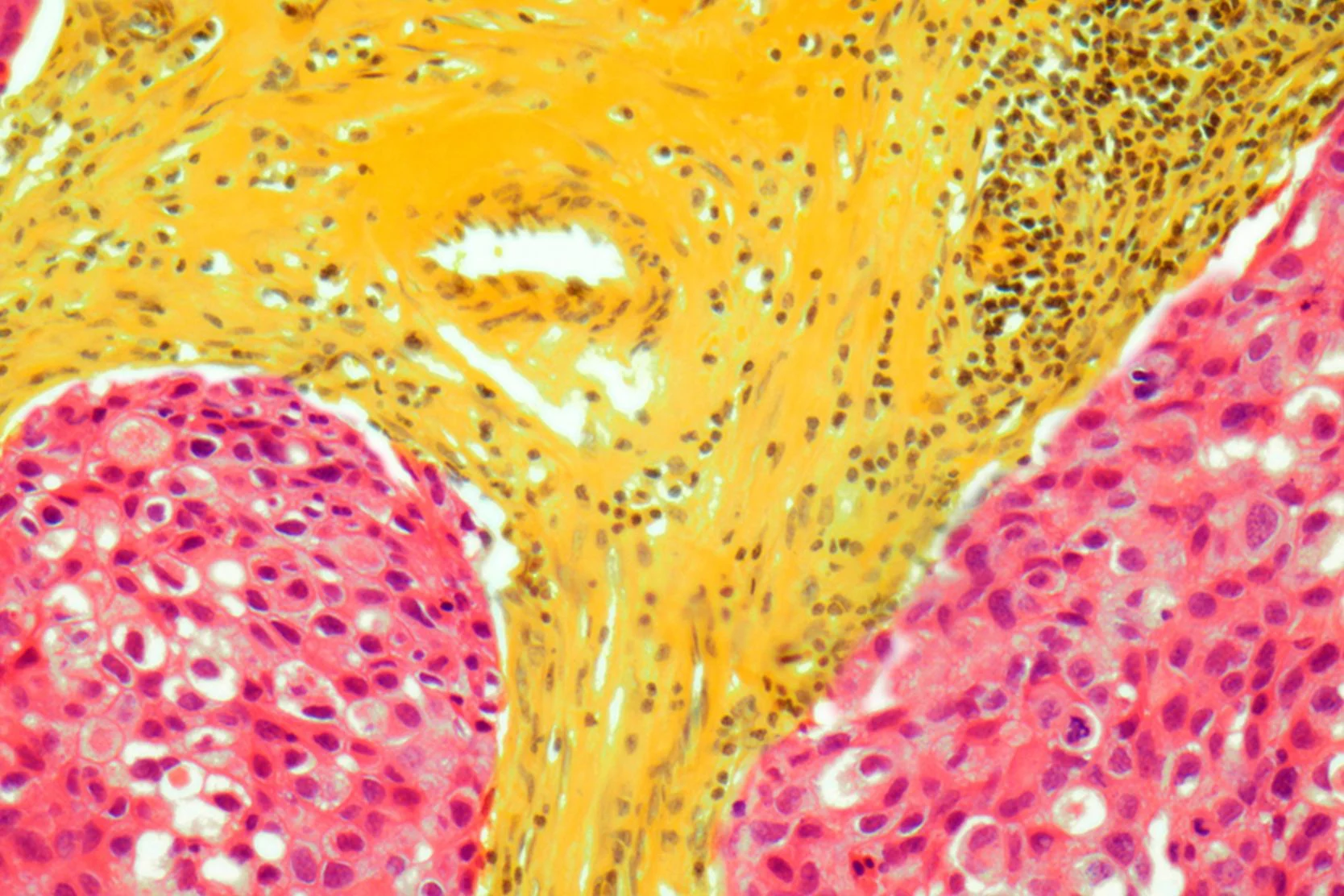
Metastatic Breast Cancer: Diagnosis and Treatment
Metastatic breast cancer is cancer that originated in the breast and has spread to other parts of the body. Learn what may affect treatment options.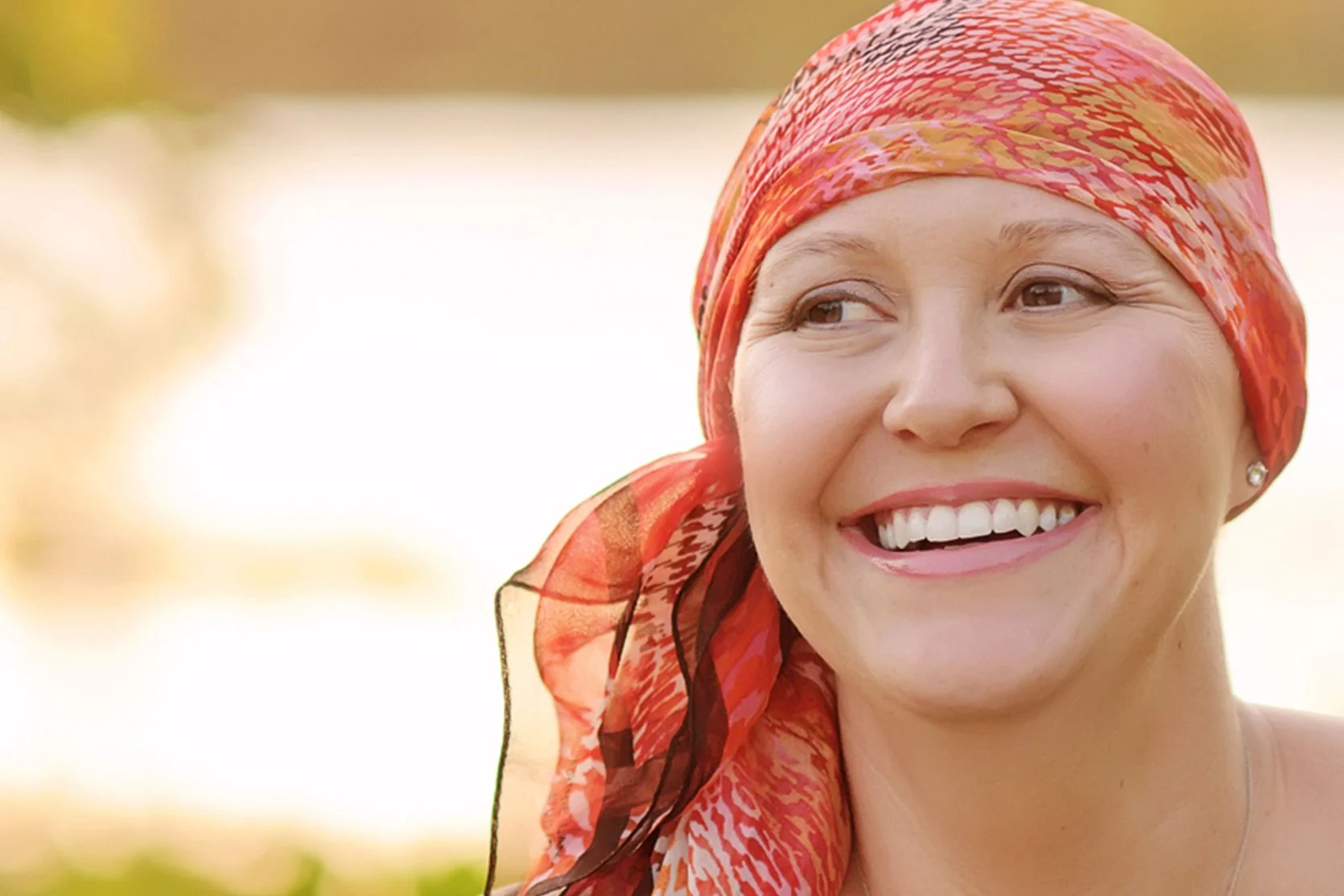
Navigating Breast Care
No matter what kind of breast care you need, you can find resources and guidance to support your breast health.
Osteoporosis and Breast Cancer
Having had breast cancer increases your risk of developing osteoporosis. Find out how we diagnose osteoporosis using a bone mineral density (BMD) test.
Radiation Therapy for Breast Cancer
Learn about radiation therapy for breast cancer, including what to expect during treatment and how to care for yourself between sessions.
Taking Charge: Women's Health
Knowledge about female cancers can help you take action and protect yourself. Get the facts about breast and ovarian cancers.
UCSF Health medical specialists have reviewed this information. It is for educational purposes only and is not intended to replace the advice of your doctor or other health care provider. We encourage you to discuss any questions or concerns you may have with your provider.