
Carbohydrates
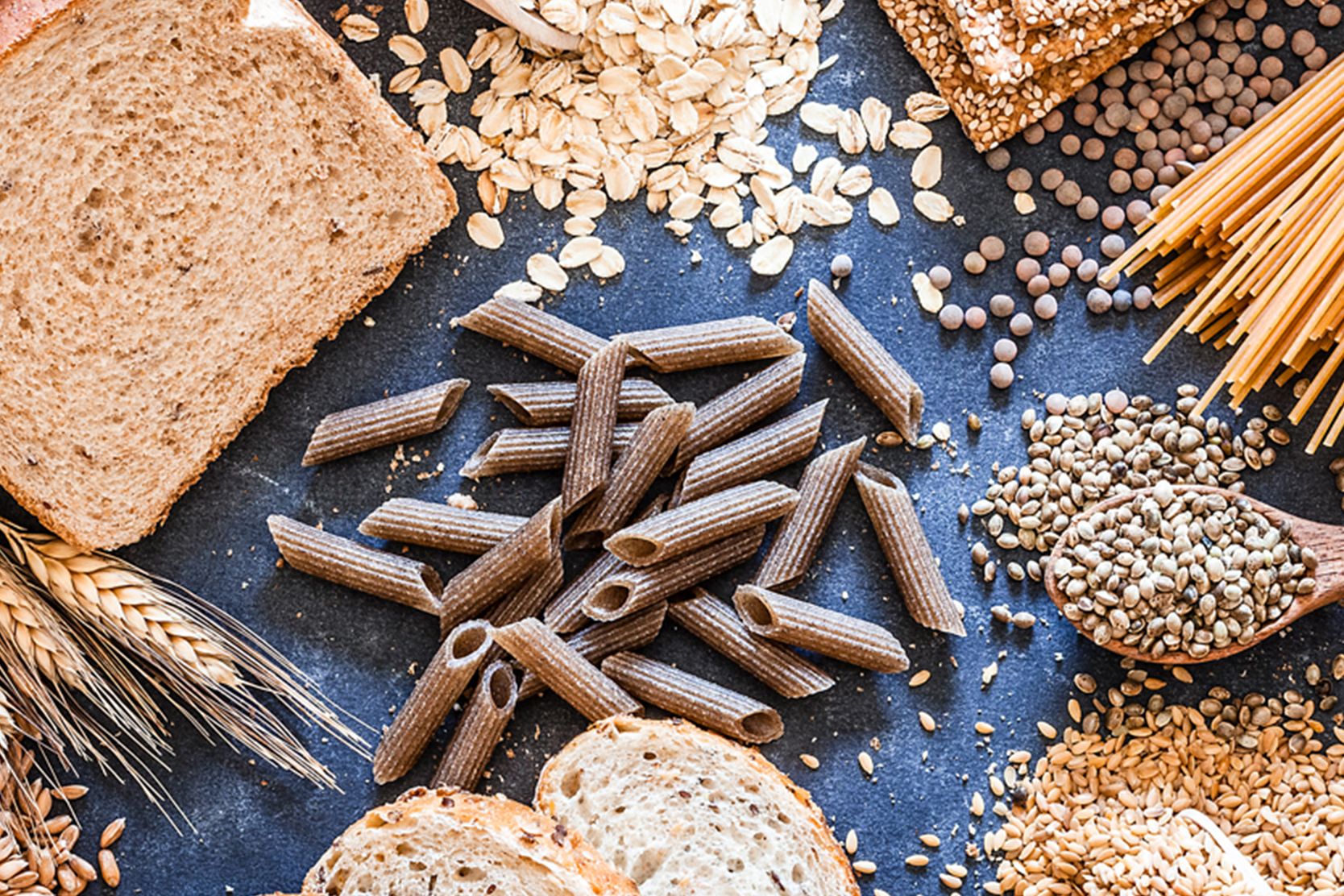
Carbohydrates, found in many of the foods we eat, are digested and turn into glucose, which is an important fuel for our bodies. Insulin acts like a key to unlock cells so that glucose can move from the bloodstream into the cells where it is used as fuel.
Carbohydrate counting is a useful tool for people who have diabetes. Balancing carbohydrates and insulin helps keep your blood sugars in a healthy range. Carbohydrates in foods are measured in units called grams.
Carbohydrate foods
The following foods contain carbohydrates:
- Breads, tortillas, crackers, bagels and rolls
- Cereals, grains, pasta and rice
- Fruit and juices
- Legumes such as black beans, kidney beans and pinto beans
- Lentils and split peas
- Milk and yogurt (but not cheese)
- Starchy vegetables such as corn, peas, potatoes, winter squash and yams
Non-starchy vegetables such as broccoli and carrots have smaller amounts of carbohydrates.
Sweets – such as candies, cookies, honey, pastries, sodas, sugar and syrups – are often concentrated sources of carbohydrates.
Counting carbohydrates in food
- Read food labels for serving size and grams of carbohydrates
- Refer to carbohydrate counting lists
- Refer to nutrition information in restaurants and on websites
- Use online carbohydrate counting resources and food composition books
Reading food labels
The two most important pieces of information for the carbohydrate controlled diet is the serving size and the grams of total carbohydrates. You can find this information for a food by reading the food label, which lists the serving size, servings per container, total grams of carbohydrates and much more.
Recommended reading

Behavior Modification Ideas for Weight Management
Explore behavior modification ideas for managing weight, including making small changes to your environment, mealtimes, food preparation and exercise routines.
Carbohydrates and Diabetes
If you have diabetes, balancing your carbohydrate intake is important for maintaining healthy blood sugar levels. Get tips for managing your carb intake.
Counting Carbohydrates
Are you counting your carbohydrate intake? Use this list of foods, each portion containing about 15 grams, to help guide your choices.
UCSF Health medical specialists have reviewed this information. It is for educational purposes only and is not intended to replace the advice of your doctor or other health care provider. We encourage you to discuss any questions or concerns you may have with your provider.