
Communicating with Your Doctor
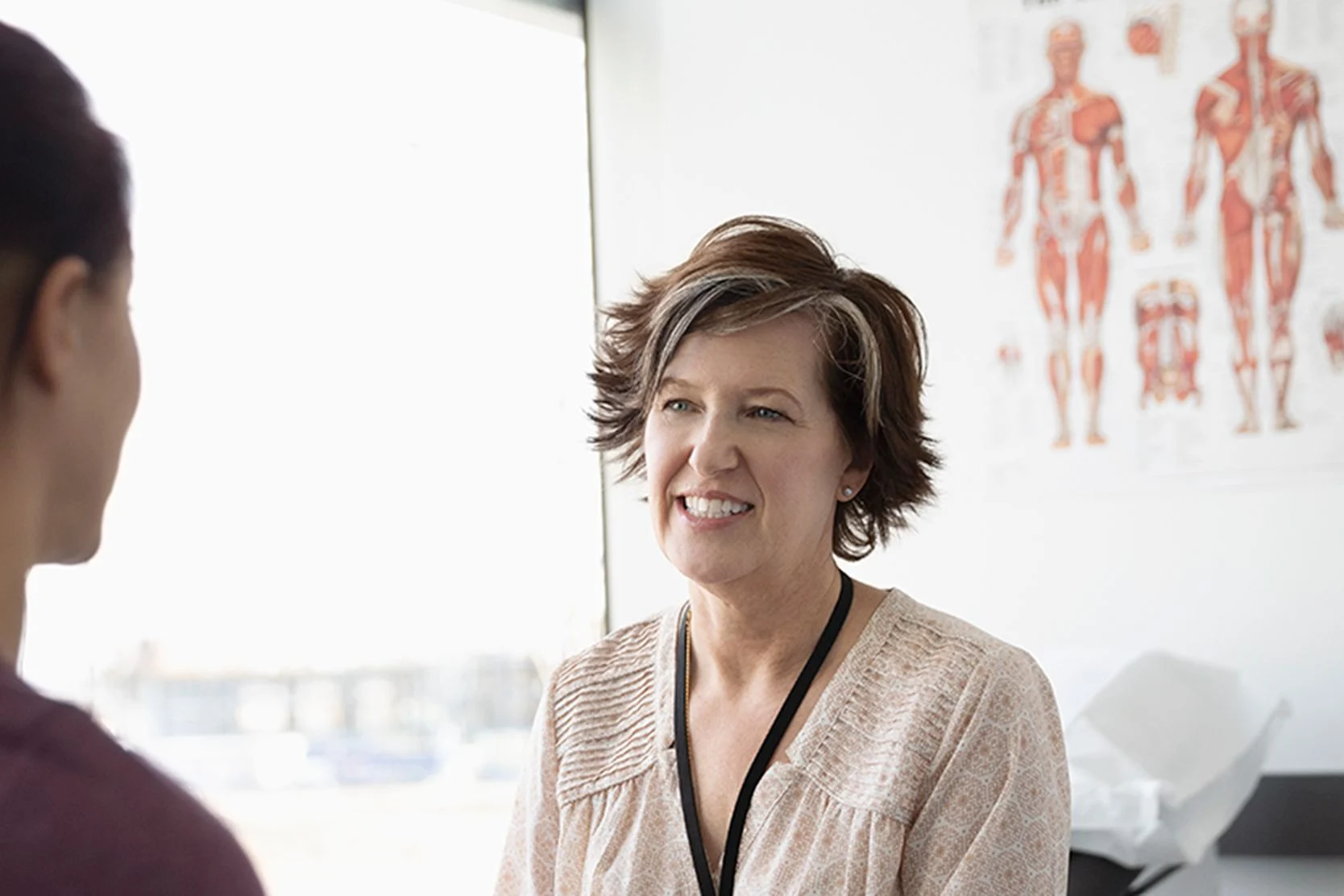
The relationship with a doctor is a very personal one, built on communication and trust. In choosing a doctor, the "chemistry" between the two of you must work. You must be able to trust, confide in and tell your doctor about your health problems, including all symptoms. Your doctor, in turn, should listen to you, give you options and feedback and have your best interest in mind.
Here are some things you can do to help build an effective partnership:
Be organized
Doctors are busy, so you need to know how to get the most from their limited time with you. This means that you must be organized and focused on the issues you want to address.
Think in advance about the questions you want answered. Write down and prioritize those questions, highlighting the main three or four you want to discuss. Send a list of the questions to your doctor in advance, if you think that would be helpful.
Keep good records
Provide your doctor with good, accurate information about your symptoms and medications so he or she has the necessary tools to accurately diagnose your condition and prescribe appropriate treatment. A list of medications and supplements you are taking, recent symptoms and the dates at which they occurred, any recent tests and names of other doctors you are seeing can be useful information to share with your doctor.
The better you are able to communicate your needs and concerns, the better your doctor can respond.
Set the tone
Let your doctor know how much or how little you want to participate in the decision-making process and whether you want very detailed information about all treatment options or just general information. Inform your doctor of any cultural beliefs that may affect your treatment choices or preferences.
Be assertive
There is virtually nothing more important than your health. Just as you would not buy a car without asking questions, don't be afraid to ask your doctor questions. If your concerns are not addressed to your satisfaction, be assertive. Let your doctor know that you still have questions and ask if an additional appointment can be set up, whether the appointment can be extended or if there are other staff members who can address your questions.
Be understanding
Balance assertiveness with respect and understanding. Although it's important to let your doctor know your needs or if you are dissatisfied, it's equally important to voice appreciation for positive aspects of your communication and treatment. Keep in mind that many of your questions can be addressed by a nurse, a social worker or by the staff at the Patient and Family Cancer Support Center.
Know how to keep in touch
Before you leave, find out the best way to keep in touch between office visits, whether through the nurse, via email or by leaving messages at the front desk.
Before your visit
- Take a list of specific questions to your appointment, making sure to list the most important ones first.
- Familiarize yourself with your medical history, so you can convey it concisely to your doctor. Writing out a brief synopsis to give a new doctor can be helpful and save time.
- Keep a diary to track your symptoms and concerns. Convey these clearly to your doctor.
- List medications you are taking with their dosages. Tell your doctor about any medication changes.
- Notify your oncologist or the scheduler ahead of time if you think your questions will take an extended time to answer. This allows the staff to arrange the schedule accordingly.
During your visit
- Tape-record your visit or bring a pencil and notebook to take notes. You also may bring a trusted friend or relative to take notes for you.
- Keep your discussion focused, making sure to cover your main questions and concerns, your symptoms and how they impact your life.
- Ask for clarification if you don't understand what you have been told or if you still have questions.
- Ask for explanations of treatment goals and side effects.
- Many cancer specialists work closely with other team members. Ask if there is anyone else you should meet.
- Let your doctor know if you are seeing other doctors or health care providers.
- Share information about any recent medical tests.
- Let your doctor know how much information you want and if you have religious or cultural beliefs that affect your treatment.
- Stand up for yourself or have a friend or family member advocate for you if your concerns are not addressed.
- Balance assertiveness with friendliness and understanding.
Recommended reading

Self-Care for Caregivers
Caregiver fatigue can be brought on by the physical and emotional demands of caring for a loved one with a serious illness. Learn tips to combat caregiver fatigue here.
Coping with Chemotherapy
Everyone experiences chemotherapy differently. Understand the possible emotional and physical side effects of chemotherapy and how to cope.
Delegation to Help with Fatigue
Fatigue caused by cancer treatment can make it hard to accomplish tasks. Learn how to delegate tasks to people you trust and communicate effectively.
Evaluating Health Information
Health information can be empowering, but how do you know if it’s accurate? Learn to identify red flags and assess the credibility of health information.
Cancer Pathology Tissue Slides FAQ
If you have a biopsy or surgery, diseased tissue is often placed on slides for a pathologist to examine. Learn how to get the slides to your doctor for review.
Cancer Radiology Scans and Reports FAQ
Learn the difference between a radiology report and radiology films or scans, why your doctor might request the scans and how to get them.
Hospice Care
Hospice provides home care and support to terminally ill people and their caregivers. Learn more about hospice, including costs and criteria.
Managing Your Treatment
Living with cancer or caring for someone with the disease can be overwhelming. Here are tips to reduce stress and help navigate life with cancer.
Nutrition and Coping with Cancer Symptoms
Side effects of cancer treatment may affect your eating habits. Find new ways to get the calories, protein and nutrients you need.
Questions to Ask Your Cancer Doctor
These questions can guide conversations with your cancer doctor and help you get the information you need to make care decisions for yourself or a loved one.
Resources for End of Life
Get resources to support yourself and your loved ones through end-of-life issues. Find bereavement support groups, counselors and reading materials.
Tips for Conserving Your Energy
Cancer treatments can cause extreme exhaustion. Here are tips to help you conserve your energy and manage cancer-related fatigue.
Using a Medical Calendar and Symptom Log
Here’s how to keep a medical calendar and symptom log to help you and your doctor track your condition and side effects of treatments or medications.
Support services
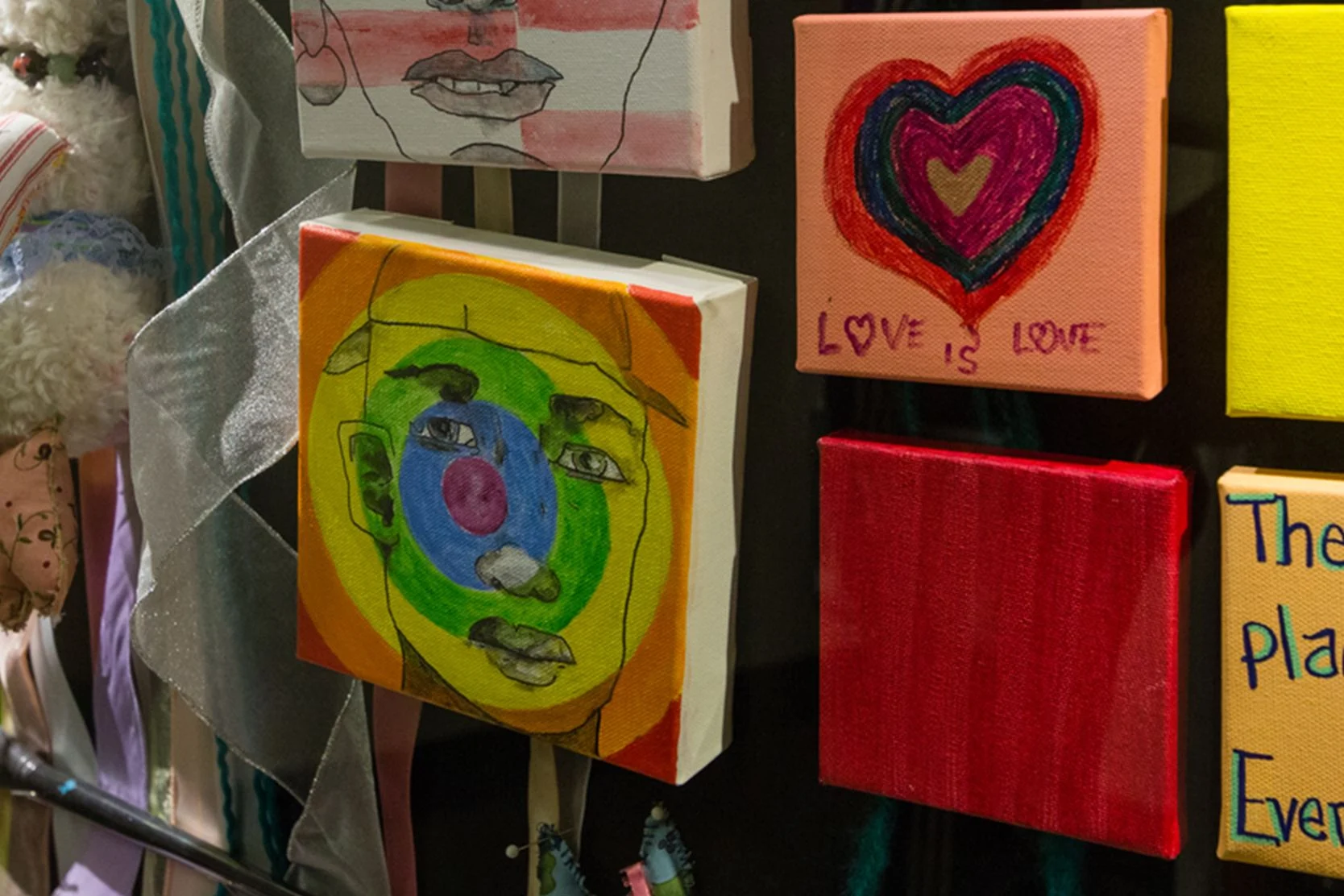
Art for Recovery
Creativity can help people with serious illnesses cope, heal and express what they're going through. Find out about our program and how to join.
Cancer Exercise Counseling
Our one-on-one exercise training sessions, customized for your needs and abilities, can complement other cancer treatments and speed your recovery.
Cancer Nutrition Counseling
UCSF Health offers free nutrition counseling to our patients with cancer, as well as nutrition seminars that are open to anyone. Learn more.
Core and More Class for Cancer Patients
A strong body helps you fight cancer and enjoy life. Join this class to stabilize your core, strengthen your muscles and improve overall fitness. For cancer patients and caregivers!
Friend to Friend Specialty Shops
A one-stop boutique for patients with cancer. Get professional help with wigs, prostheses, sun-protective clothing, makeup, skin care and more.
Kôz Hospitality House
Kôz Hospitality House provides comfortable, reasonably priced accommodations near our Parnassus campus for UCSF patients during their treatment.
Meditation and Guided Imagery for Cancer Patients
Drop in for a free class designed to help you heal, relax and find balance during your treatment. UCSF and non-UCSF patients are welcome.
Neuro-Oncology Caregiver Program
If you're caring for someone with a brain tumor, our program can help with guidance, information, resources and support at this difficult time. Find out more.
Oncology Social Work
Social workers offer support, problem-solving, help accessing UCSF cancer-related resources and more. Find out how to contact the social worker for your clinic.
Patient & Family Cancer Support Center
The center offers wellness programming, community, support groups, classes, workshops and more at no cost to people facing cancer and their loved ones.
Peer Support Programs for Cancer
PeerTalk connects interested cancer patients with cancer survivors who can share their own experience to provide emotional and practical support.
UCSF Patient Support Corps
Receiving a breast cancer diagnosis is stressful. Get guidance, support and answers to your questions here as you consider your options and make decisions.
Yoga Classes
Relax, stretch, breathe deeply and reduce stress, pain and anxiety with laughter yoga and other free yoga classes.
UCSF Health medical specialists have reviewed this information. It is for educational purposes only and is not intended to replace the advice of your doctor or other health care provider. We encourage you to discuss any questions or concerns you may have with your provider.