
Constipation

What is constipation?
Constipation happens when fecal material (stool) moves through the large bowel (colon) too slowly. The fluid portion of the stool is absorbed back into the body, so the stool becomes hard and dry. This makes it difficult to pass the stool.
What causes constipation?
Poor nutrition, inadequate sleep, limited exercise, anxiety, emotional stress and age may cause constipation. Certain disease also can cause constipation, and are usually associated with a sudden change in bowel habits, pain, weight loss, fatigue or bloody stools. Contact your doctor if you experience these symptoms. Some medications cause constipation – talk to your doctor if you think your medications are causing constipation.
Can eating more fiber help with constipation?
Yes. Fiber is the part of plant food that is not digested. There are two kinds of fiber: soluble and insoluble. Soluble fiber gives stool bulk. Foods that are good sources of soluble fiber include apples, bananas, barley, oats, and beans. Insoluble fiber helps speed up the transit of food in the digestive tract and helps prevent constipation. Good sources of insoluble fiber include whole grains, most vegetables, wheat bran, and legumes. Foods that have fiber contain both soluble and insoluble fibers. A good goal for dietary fiber is a total of about 20 to 30 grams each day.
Guidelines to treat constipation
Nutrition
- Eat three meals each day. Do not skip meals.
- Gradually increase the amount of high-fiber foods in your diet.
- Choose more whole grain breads, cereals and rice.
- Select more raw fruits and vegetables – eat the peel, if appropriate.
- Read food labels and look for the "dietary fiber" content of foods. Good sources have 2 grams of fiber or more.
- Drink six to eight glasses of water each day.
- Limit highly refined and processed foods.
Exercise and sleep
- Exercise regularly. Try to do weight-bearing exercise, such as walking, three or more times each week.
- Go to sleep at a regular time each night. Make sure you get enough sleep.
Stress and anxiety
- Try to limit stress in your life.
- Go for a short walk when you feel anxiety or stress increasing.
Recommended reading
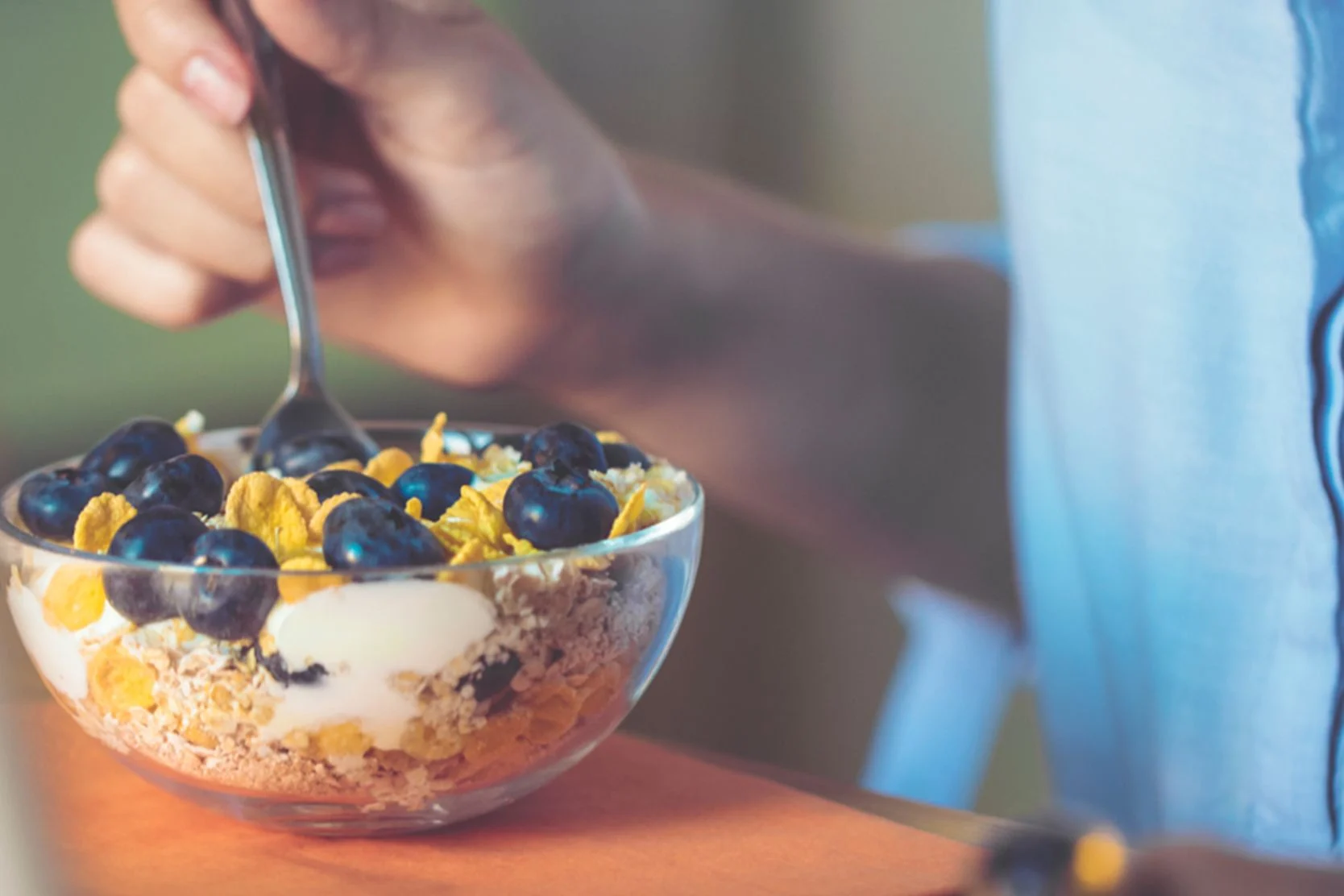
Increasing Fiber Intake
A high-fiber diet reduces your risk of developing several diseases, supports digestive health and lowers cholesterol levels. Find out how to eat more fiber.
UCSF Health medical specialists have reviewed this information. It is for educational purposes only and is not intended to replace the advice of your doctor or other health care provider. We encourage you to discuss any questions or concerns you may have with your provider.