
Life After Bariatric Surgery

Weight-loss surgery can start you on the path to a healthier, longer and more fulfilling life. It is not a cure for obesity but rather a tool to help you lose weight. Long-term success depends on your ability to follow guidelines for diet, exercise and lifestyle changes.
The UCSF Bariatric Surgery Center offers comprehensive follow-up care, including a support group, dietitian services and continuing education, to help you achieve and maintain your goals.
Medications
After bariatric surgery, your daily regimen will include short- and long-term medications. These include:
- Omeprazole, which reduces the risk of developing ulcers in the digestive tract. Expect to take this medication for six months after surgery or indefinitely, as directed by your bariatric surgery team.
- Ursodiol, which reduces the risk of developing gallstones during the postsurgical period of rapid weight loss. Expect to take it for six months after surgery. This medication is not needed for patients who don't have a gallbladder.
- The ProCare Health bariatric multivitamin, which has added iron plus all other necessary supplementation for patients who've had bariatric surgery. Expect to take this medication indefinitely to prevent vitamin and mineral deficiencies.
- The Celebrate brand calcium supplement, which includes vitamins that enhance calcium absorption. This is taken indefinitely after surgery.
Capsule, chewable and liquid medications can be taken immediately after surgery, but tablet medications need to be broken up or crushed for the first three months. This prevents medications from getting stuck in the digestive tract or not being fully absorbed. Extended-release medications cannot be broken up, so our pharmacist will recommend alternatives prior to surgery.
After surgery, resume taking your usual medicines for other conditions, unless our pharmacist advised otherwise. We recommend checking in with your primary care provider and other specialists regularly after surgery, as rapid weight loss can necessitate frequent adjustments to medications, such as those for high blood pressure and diabetes.
After surgery, you should avoid nonsteroidal anti-inflammatory drugs (NSAIDs), such as aspirin, ibuprofen (Motrin, Advil) and naproxen (Aleve). NSAIDs increase the risk of stomach ulcers. Patients who had gastric bypass surgery should avoid these medications indefinitely. If you had a sleeve gastrectomy procedure, you might be able to resume taking these medications after the sleeve heals (about three months after surgery), but consult your bariatric surgery team first.
Vitamin and mineral supplements
To prevent nutrient deficiencies, bariatric surgery patients need to take the following vitamin and mineral supplements daily:
- Multivitamins. After surgery, taking a daily bariatric-specific multivitamin helps compensate for nutritional deficits. Bariatric-specific multivitamins include high doses of all necessary micronutrients, simplifying your postsurgical supplement regimen. The ProCare Health bariatric multivitamin can be purchased online without a prescription.
- Calcium. We recommend taking 1,000 to 1,500 milligrams of calcium daily to prevent calcium deficiency and bone loss. Calcium citrate is the preferred form. To enhance absorption, reach the daily total by taking two or three divided doses over the course of the day. For example, take a 500-mg chewable or capsule supplement two or three times a day.
- Vitamin D3. This is in both the multivitamin and calcium supplement we recommend after surgery. The ProCare Health bariatric multivitamin has 3,000 international units (IU) of vitamin D3, and the Celebrate calcium supplement includes 500 IU per chew or capsule. You are therefore getting about 4,000 IU of vitamin D3 daily.
Birth control and pregnancy
We advise women of childbearing years to use an effective birth control option, such as an intrauterine device (IUD), for the first 12 to 18 months following bariatric surgery. During this time, the rapid weight loss and inability to consume normal food quantities impact a patient's nutritional status. The physical demands of a pregnancy in the first year after surgery can compromise fetal health and result in birth defects. For the safety of patients and babies, we strongly recommend waiting at least 12 months before starting a pregnancy.
Returning to work
Many patients return to work two to four weeks after surgery, with no activity restrictions. It typically takes five to six weeks for your presurgery energy levels to return.
Diet
To prevent nutritional deficiencies and preserve muscle tissue, dietary guidelines seek to provide balanced meals while limiting calories. Each patient tolerates foods differently, so keep this in mind when considering suggestions.
Your daily caloric intake should be between 500 and 700 calories for at least the first 12 months after surgery, not exceeding 1,000 calories a day. Follow a well-designed dietary regimen that is high in protein and vegetables and low in carbohydrates and sugars. Your goal should be to get at least 60 to 80 grams of protein per day. High-protein foods include eggs, meats, seafood (including tuna and other fish), poultry, tofu and other soy products, milk, cottage cheese and Greek yogurt. It may take six to eight weeks after surgery before you are routinely reaching the protein goal.
Keys to success include keeping a daily record of portions and calories as well as following up with a dietitian regularly.
Here are some tips:
- Eat slowly, take small bites, and chew thoroughly.
- Avoid rice, bread, raw vegetables, fresh fruits, and meats that aren't easy to chew, such as pork and steak. Ground meats may be easier to tolerate.
- Eat balanced meals with small portions. In the initial period after surgery, you may only be able to tolerate one to two tablespoons of food at a time.
- Avoid the use of drinking straws, carbonated beverages, chewing gum and ice. They can introduce excess air into your surgically created pouch and cause discomfort.
- Avoid sugar, sugary foods and beverages, and fruit juices.
Over time, increase the variety of foods in your diet. Foods that are poorly tolerated initially – such as red meats, chicken, bread, and high-fiber fruits and vegetables – will become easier over time. Staying hydrated is important: Drink 1.5 to 2 liters of fluids daily, unless restricted by a medical condition.
Alcoholic beverages will have a stronger effect than previously and should be avoided. Talk with your bariatric surgery team before consuming alcohol.
Refer to the "Dietary Guidelines After Bariatric Surgery" for additional recommendations.
Exercise
Aim to exercise 30 to 45 minutes a day, performing an aerobic activity ("cardio") three to five times a week. We recommend starting out by walking five minutes in the morning and five minutes in the afternoon. Steadily increase these intervals by five minutes, as tolerated, until you're walking at least 15 minutes twice a day. After that, you can add variety to your plan, such as with light jogging, swimming or using a stationary bike.
Anytime you seem to reach a plateau, revise your regimen by trying new activities, adding more strenuous exercises or increasing the duration of activities. Alternating between walking and jogging in two- to five-minute intervals can help you break through a plateau and burn fat. For more of a challenge, try alternating between jogging and sprinting. Resistance training builds muscle and burns calories. This helps with maintaining weight loss since muscle tissue uses more calories at rest than does body fat. Start these workouts using light weights, such as two to five pounds, and do three sets of 10 repetitions for each exercise. As you feel your strength increasing, use more weight.
Lifestyle
You made a big decision to undergo major surgery to help yourself achieve weight loss and a healthy body mass index (BMI). Now you must commit to a new way of life. Our hope is that the practices you establish early after surgery, such as calorie counting and regular exercise, become lifelong habits.
We suggest thinking of each day as a reflection of a new attitude that you're important and your health matters. Be proud of every day that you maintain this commitment to yourself. A key to success is engaging in activities, behaviors and groups that remind you of your health goals and support your new lifestyle, so stay involved in your hobbies, favorite activities and social groups. Regularly attend your local weight-loss or bariatric support group.
Support groups
The UCSF Bariatric Surgery Program offers a free support group for preoperative and postoperative patients. Support groups provide participants with the opportunity to share and discuss their challenges and triumphs with people who understand. What's more, your chances of maintaining a healthy weight improve when you have a network of people who provide encouragement and help you stay on track. For more information, visit our Bariatric Surgery Support Group page. Since the onset of the COVID-19 pandemic, our support group has been meeting virtually via Zoom. Join our email list to receive the monthly Zoom invitation.
Long-term follow-up
After surgery, your blood will be checked regularly to ensure your micronutrient levels are staying in the normal ranges. Blood work will be done three, six and 12 months after surgery, then annually thereafter. The tests include:
- Complete blood count (which can reveal anemia, among other problems)
- Comprehensive metabolic panel (which gives information related to kidney and liver function)
- Lipid panel (which measures cholesterol and other fats)
- Hemoglobin A1c (a test for diabetes)
- Vitamins: Iron, ferritin, B12, D, A, folate, thiamine, copper, zinc and selenium
Recommended reading

Dietary Guidelines After Bariatric Surgery
Your providers designed dietary guidelines to help you heal after bariatric (weight-loss) surgery. Follow these guidelines for fluids, protein and supplements.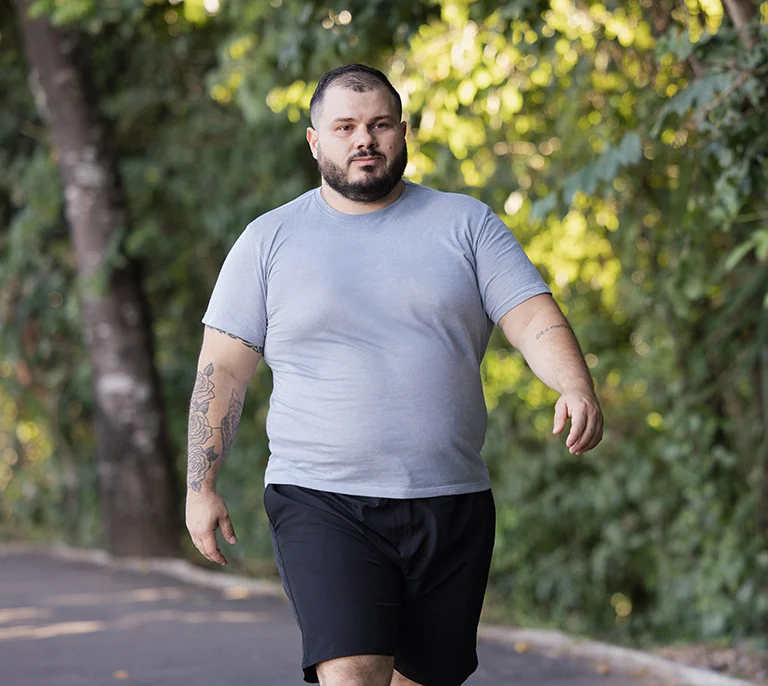
Bariatric Surgery Requirements and Evaluation
Find out if you are eligible for bariatric (weight-loss) surgery, what the evaluation process includes and what to expect at your new patient visit.
Recovering From Bariatric Surgery
Recovering from bariatric (weight-loss) surgery takes time. Here’s our comprehensive guide to help your body heal and support healthy weight loss.
UCSF Health medical specialists have reviewed this information. It is for educational purposes only and is not intended to replace the advice of your doctor or other health care provider. We encourage you to discuss any questions or concerns you may have with your provider.