
FAQ: Melanoma
What is melanoma?
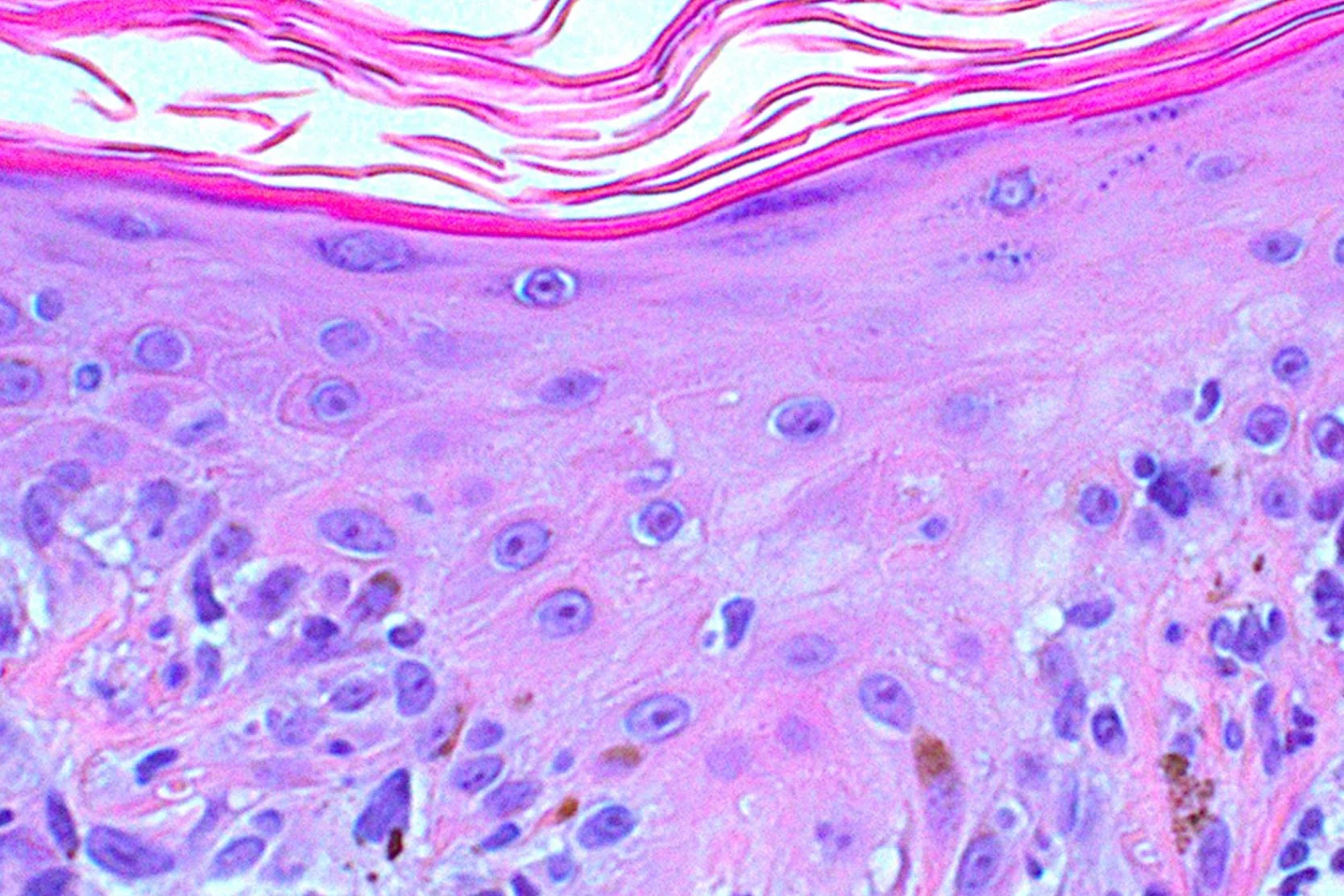
Melanoma is a type of skin cancer that can be very serious. It's caused by the uncontrolled growth of cells that produce pigment, the substance in skin that produces color. Melanomas may appear suddenly and without warning. Though they can develop anywhere on the body, they are found most frequently on the face and neck, upper back and legs.
Is melanoma a serious disease?
Yes. In its later stages, melanoma spreads to other organs and can result in death. If detected in its early stages, melanoma can be treated successfully.
What causes melanoma?
Excessive exposure to the sun's ultraviolet radiation is the most common cause of melanoma. Other possible causes include genetic factors and immune system deficiencies. Melanoma has been linked to childhood sunburns and sun exposure.
What does melanoma look like?
Melanoma generally begins as a light brown to black flat marking with uneven borders. These markings are usually at least a quarter of an inch in size and may turn shades of red, blue and white. They may crust on the surface and bleed, too. They typically appear on the upper back, torso, lower legs, head and neck.
A mole that changes in appearance, a new mole or a mole that begins to grow should be examined by a doctor.
Can melanoma be cured?
If the melanoma lesion is detected early, surgical removal can cure the cancer in most cases. Early detection is essential. Dermatologists recommend regularly examining your skin to detect changes in appearance, especially changes in existing moles or markings. Patients with risk factors should have a complete skin examination annually. And anyone who notices a mole that has changed should see their doctor immediately.
What are the risk factors for melanoma?
Risk factors for skin cancer, including melanoma, are:
- Skin that burns, freckles, reddens, or hurts when exposed to the sun
- Moles
- Lighter skin, hair, and eye color
- A family history of skin cancer
- A personal history of skin cancer
- Older age
Can melanoma be prevented?
Yes. Because too much sun exposure is thought to be a primary cause of melanoma, dermatologists recommend the following safety measures to help prevent skin cancer:
- Avoid peak sunlight hours – 10 a.m. to 3 p.m. – when the sun's rays are most intense.
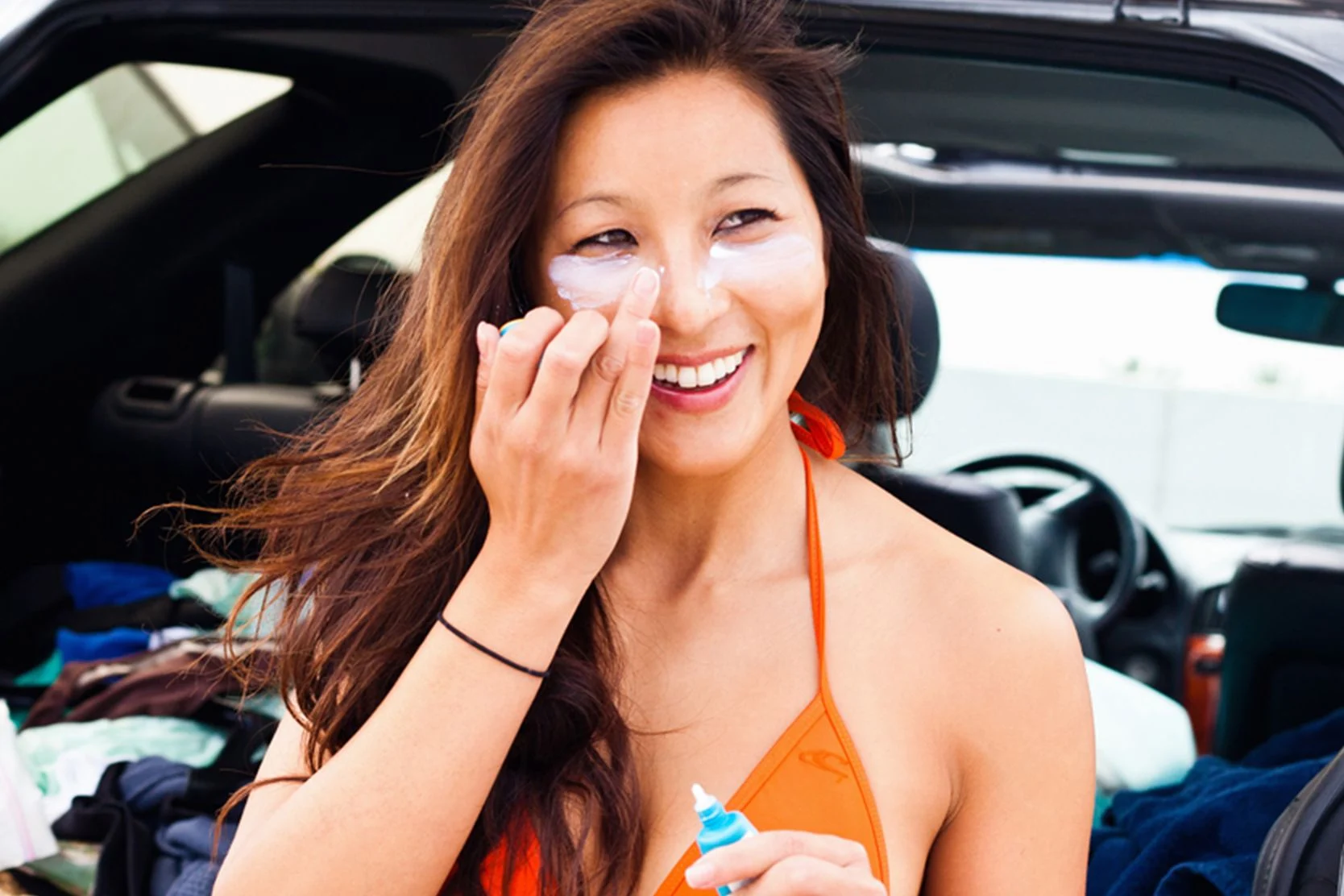
- Apply sunscreen with a sun protection factor (SPF) of 30 or more.
- Apply sunscreen 15 to 30 minutes before going outdoors so it bonds with your skin.
- Reapply sunscreen every two hours when you're being active outside.
- Wear protective clothing, including a hat with a wide brim and long-sleeved shirts and pants, during long periods in the sun.
Recommended reading
Skin Cancer Prevention
Find out how to protect your skin when you’re spending time outdoors, determine your skin cancer risk and recognize signs of melanoma.
UCSF Health medical specialists have reviewed this information. It is for educational purposes only and is not intended to replace the advice of your doctor or other health care provider. We encourage you to discuss any questions or concerns you may have with your provider.