
Skin Cancer Prevention
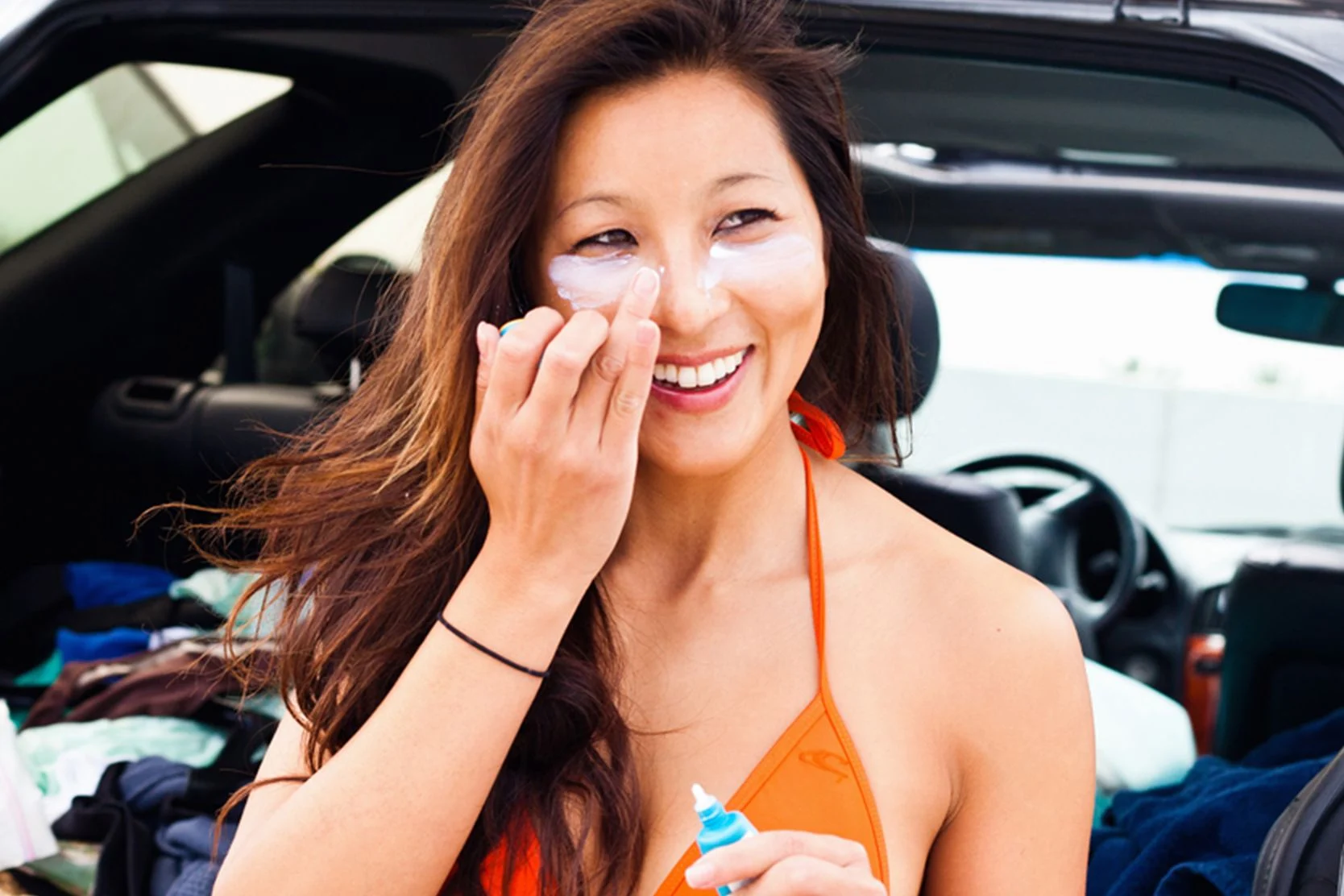
Skin cancer is largely preventable, and if caught early, it's usually curable. Since most skin cancers are linked to sun exposure, it's important to take precautions when spending time outdoors, no matter what time of year. Too much sun can increase your risk for skin cancer and lead to premature skin aging.
Apply sunscreen if you're planning to be in the sun for more than 20 minutes. Make sure to check your skin and see a dermatologist regularly.
Stay Safe in the Sun
The majority of sun exposure occurs before age 18 and skin cancer can take 20 years or more to develop. Whether your sun bathing days are behind you or you still spend time pursuing the perfect tan, you should be concerned about skin cancer.
Remember, the sun's ultraviolet (UV) rays can reflect off water, sand, concrete and snow, and can reach below the water's surface. Certain types of UV light penetrate fog and clouds, so it's possible to get sunburn even on overcast days.
- Avoid direct sunlight as much as possible during the peak sun hours, generally 10 a.m. to 3 p.m., or seek shade during this part of day.
- Wear broad-spectrum sunscreen — with an SPF of at least 30 — containing both UVA and UVB protection. Look for ingredients like Parsol 1789 (also known as avobenzone) or titanium dioxide on the label.
- Reapply sunscreen frequently, at least every two hours when outdoors, especially if you perspire or you've been swimming. Your best bet is to choose water-resistant products that are more likely to stay on your skin.
- Wear lip balm with an SPF 15 or higher.
- Wear a hat and other protective clothing while in the sun. Tightly woven fibers and darker clothing generally provide more protection. Also, look for products approved by the American Academy of Dermatology.
- Wear UV-protective sunglasses.
If you're taking an antibiotic or other medications, ask your doctor or nurse if it may increase your skin's sensitivity to the sun.
Determine Your Skin Cancer Risk
The guidelines above apply to everyone, but certain individuals are at a higher risk for developing skin cancer and should be especially cautious with sun exposure.
If any of the descriptions below apply to you, see a dermatologist for a full-body examination once a year. Skin cancer risk is cumulative. The more risk factors you have — and the more sun damage over a lifetime — the higher your risk.
Skin cancer risk factors include:
- Personal history of skin cancer or precancerous skin lesions
- Tendency to freckle or burn easily
- Lots of sun exposure throughout your life
- Many sunburns as a child or adolescent
- Family history of skin cancer (such as melanoma) or conditions that are more likely to develop into skin cancer, such as dysplastic nevus syndrome or numerous atypical moles
- Chronic, non-healing wounds or burn injuries
- Radiation therapy
- Exposure to toxic materials, such as arsenic
- Exposure to certain subtypes of human papilloma virus (HPV). HPV 6,11,16 and 18 have been linked to the development of squamous cell carcinoma, especially in patients with compromised immune systems.
- Organ transplant patients on immunosuppressant drugs have an increased risk of skin cancer
Do Regular Skin Self-Exams
An important part of skin cancer prevention and detection is learning to recognize skin changes that may become cancerous and alerting your doctor to any suspicious moles.
- Perform a thorough skin check regularly, preferably once a month. Do this in a brightly lit room in front of a full-length mirror.
- Go over your entire body carefully, noting any new or suspicious-looking moles.
- Some find it helpful to record their self-exam results by creating a "body map," or "mole map."
- Use a hand mirror to see difficult spots like the top of the scalp or back of the legs.
- Enlist your spouse or a close friend or family member to check hard to see areas.
Know the ABCs of Melanoma
Knowing the "ABCs" or signs of melanoma, the most deadly type of skin cancer, can help you catch it early when it is most curable.
- A (Asymmetry) Melanomas often have an asymmetrical border, whereas benign moles are usually symmetrical.
- B (Border irregularity)Melanomas often have ragged or notched borders, whereas benign moles usually don't.
- C (Color)Melanomas often contain multiple shades of brown or black within a single mole, whereas benign moles are generally one shade.
- D (Diameter)Early melanomas are often 6mm or larger, while benign moles are generally less than 6mm.
- E (Evolution)The symmetry, border, color or diameter of a mole has changed over time.
The ABCDE rule is a good guide to the common signs of melanoma. Notify your primary care doctor or dermatologist if you find spots that match the descriptions below. Some melanomas don't fit the ABCDE rule so be aware of changes on your skin.
Know How to Recognize Non-Melanoma Skin Cancer
Basal Cell Carcinoma
Basal cell carcinoma is the most commonly diagnosed skin cancer. In recent years, there has been a startling upturn in the number of young women who are diagnosed with this type of skin cancer, and the rise is blamed on the popularity of sunbathing and tanning salons.
Basal cell carcinoma is rarely fatal and does not normally spread, but it is still important to catch it in the early stages so that the surgical removal is as non-invasive as possible.
Basal cell carcinomas occur on sun-exposed areas and often look like pink bumps with the following features:
- Pearly or waxy appearance
- Sunken center
- Irregular blood vessels on the surface
- Tendency to bleed easily after injury
Squamous Cell Carcinoma
Squamous cell carcinoma is the second most common type of skin cancer after basal cell carcinoma. It is rarely deadly, but may spread or recur if not caught early.
Squamous cell carcinoma is often found on the head, hands, ears, back of neck and forearms — areas with more sun exposure. If any of the descriptions below apply to you, have it checked out.
- Raised, dull-red skin lesion
- Thick crusted scale
- Ulcerated appearance
Recommended reading
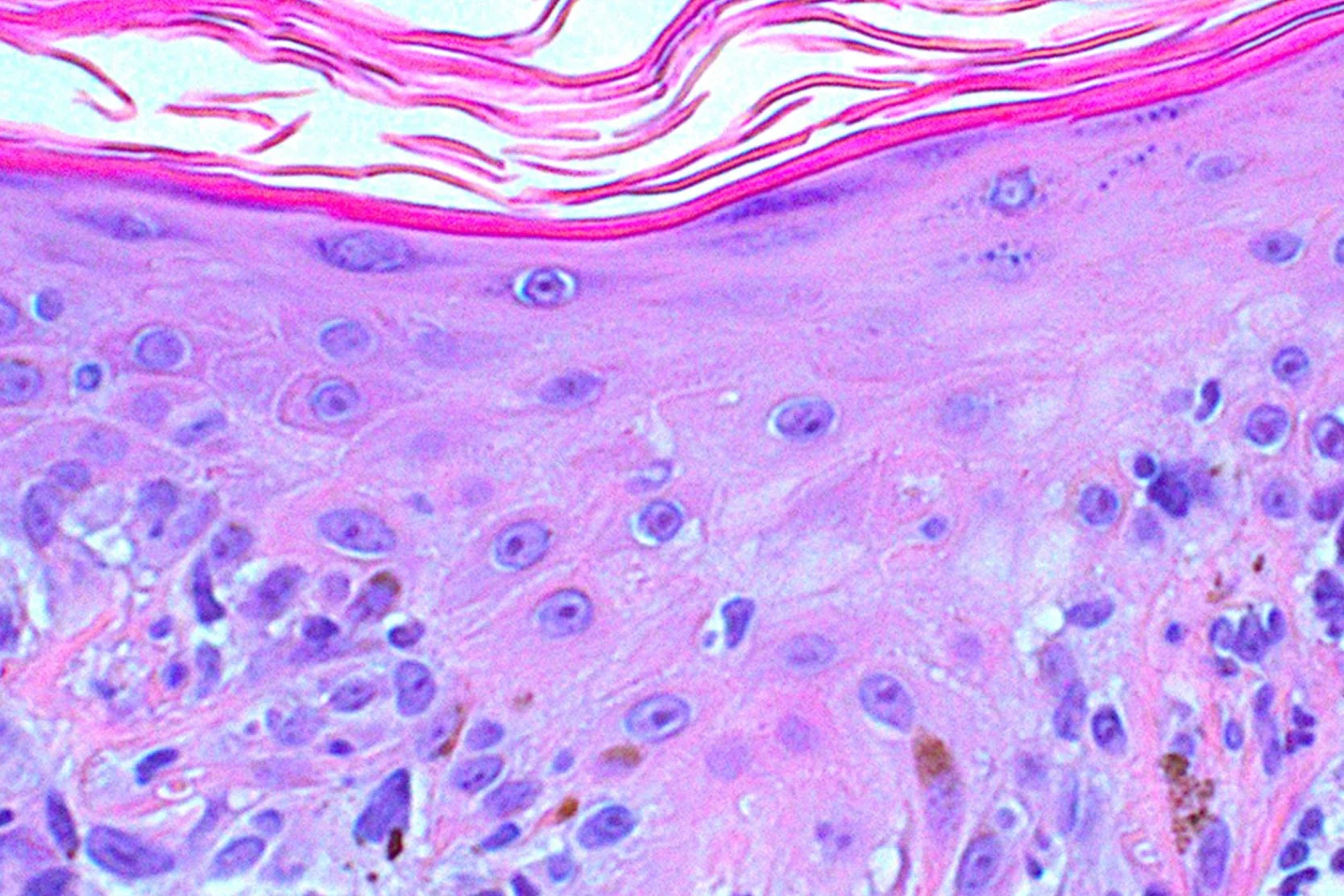
FAQ: Melanoma
Our detailed FAQ covers common questions about melanoma. Learn more about this serious skin cancer, including prevention and treatment.
UCSF Health medical specialists have reviewed this information. It is for educational purposes only and is not intended to replace the advice of your doctor or other health care provider. We encourage you to discuss any questions or concerns you may have with your provider.