
Radiofrequency Ablation
On this page
Overview
Radiofrequency ablation (RFA), also known as rhizotomy, is one of the newest pain control techniques. In this nonsurgical procedure, radiofrequency waves are delivered to certain nerves, with the goal of interrupting pain signals to the brain.
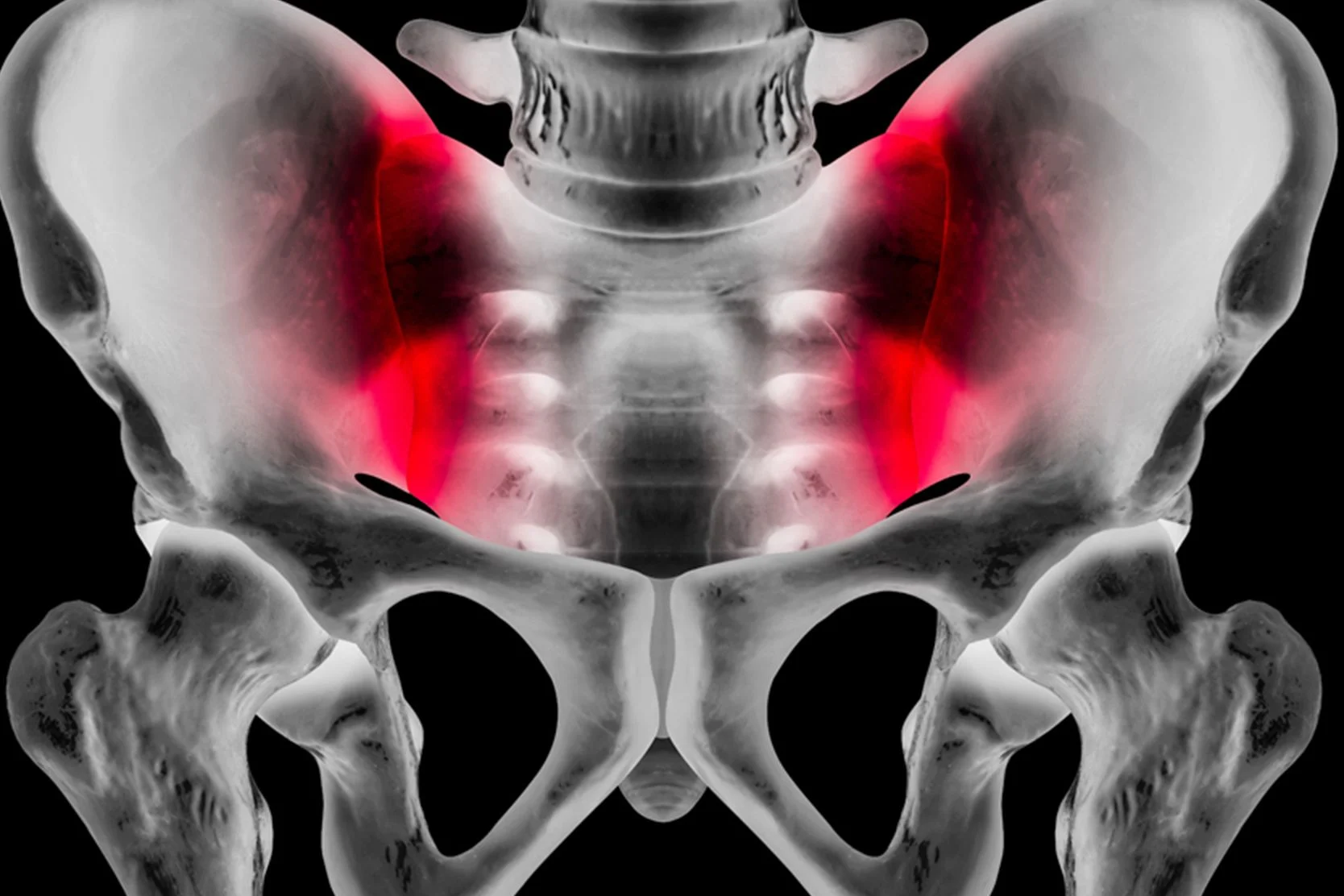
RFA typically targets pain from the facet joints, which can contribute to chronic pain in the neck or lower back, and the sacroiliac joints, which can contribute to chronic low back pain.
Facet joints are pairs of small joints located at each vertebral level of the spine. Each facet joint is connected to two medial branch nerves that carry signals, including pain signals, away from the joints to the spine and brain. The sacroiliac joints are located at the lowest part of the spine, between the sacrum and ilium in the pelvis, and are also connected to nerves that carry signals to other parts of the body.
RFA can also be used to treat other pain, including stomach pain caused by pancreatic cancer, pelvic pain caused by ovarian cancer, or facial pain caused by trigeminal neuralgia. (Patients receiving RFA for trigeminal neuralgia can find more information about what to expect here.)
Preparation
- Please arrange to have someone drive you home after the procedure, as you will not be able to drive or operate machinery for at least 24 hours after the procedure.
- Do not eat or drink anything after midnight the night before the procedure, except for a small amount of water if needed to take medications on the day of the procedure.
- If you have diabetes and use insulin, you must adjust the dosage of insulin the day of the procedure. Consult the doctor who manages your insulin or diabetes medication for any necessary adjustments. Bring your diabetes medication with you so you can take it after the procedure.
- If you take any blood-thinning medications or antiplatelet medications, these must be stopped with the permission of your doctor who manages these medications.
- Continue to take all other medications with a small sip of water. Bring all medications with you so you can take them after the procedure. It is important to note that you must not stop taking any medication without first consulting with your primary or referring doctor.
Procedure
RFA is a minimally invasive procedure that does not require anesthesia. During the procedure, you will lie on your stomach, or for some neck procedures, on your side. You may have an intravenous (IV) line so we can administer a sedative to relax you.
Your doctor will numb a small area of skin around your spine with an anesthetic. The doctor will then use X-ray guidance to direct a special radiofrequency needle alongside the targeted nerves. To confirm proper position, a small amount of electrical current is passed through a probe placed in the needle to the targeted nerve. At this point, you may experience brief pain or a muscle twitch, which the doctor will discuss with you at the time.
Once proper position is confirmed, more local anesthetic is given to the area where the RFA will be performed. During the procedure, most patients feel either nothing or a mild warm sensation.
The procedure may take one to two hours, depending on the treatment site and number of treatments performed.
Recovery
After the procedure, you may experience soreness in the targeted area for a few days. Rare complications include infection, bleeding and nerve damage.
Although results vary from patient to patient, the effectiveness of RFA may last from three to 12 months. Often the nerve will eventually regenerate and in some cases, the joint pain may return.
Related treatments

Epidural Injections
Epidural injections are most often used to treat low back pain, chronic neck pain and lower and upper extremity pain caused by radiculopathy/sciatica.
Intrathecal Drug Delivery
Intrathecal drug delivery, also known as the "pain pump," uses a small pump to deliver pain medication directly to your spinal cord. Find more information here.
Joint Injections
Injury to the joints can cause pain in the legs, lower back, groin, buttocks, knees, shoulders and hips. Pain may occur from injury, simple wear and tear, etc.
Nerve Blocks
Your doctor may suggest a nerve block if other treatments, such as anti-inflammatory medicines, rest and physiotherapy were unsuccessful.Learn more here.
Spinal Cord Stimulation
Spinal cord stimulation delivers mild electrical impulses to the spinal cord that interrupt pain signals to the brain, replacing them with a tingling sensation.
UCSF Health medical specialists have reviewed this information. It is for educational purposes only and is not intended to replace the advice of your doctor or other health care provider. We encourage you to discuss any questions or concerns you may have with your provider.