
Multiple Myeloma
On this page
Overview
Multiple myeloma, also called myeloma, is a blood cancer of plasma cells, a type of white blood cell produced in bone marrow, the soft spongy tissue inside bones. Healthy plasma cells make antibodies that help the body fight infection.
In myeloma, plasma cells multiply uncontrollably, crowding out normal blood-producing cells in the bone marrow. They also begin making an abnormal antibody called M protein that the body doesn't need. High levels of M protein are a hallmark of the disease.
These changes have consequences not only for your body's ability to make healthy blood cells but for your kidneys, your bones and your immune system. Myeloma is the second most common blood cancer, with nearly 36,000 new cases diagnosed every year.
The cause of multiple myeloma is unknown. Researchers have identified associations between specific genetic mutations and the disease. These are acquired mutations, not inherited, meaning they aren't passed down.
There are other risk factors that make a person more likely to develop myeloma. These include:
- Age: Myeloma is most common in people over 65 though statistics indicate the disease is increasingly affecting people at younger ages.
- Race: Black people are twice as likely as white people to develop the disease.
- A weakened immune system.
- Exposure to radiation.
- Exposure to chemicals used in rubber manufacturing, woodworking or firefighting; or exposure to herbicides.
- A history of other plasma cell disorders.
Myeloma once was considered fatal, but recent progress in treatments has improved survival rates and, in some cases, even led to cures.
Our approach to multiple myeloma
UCSF is dedicated to delivering the most advanced myeloma treatments with care and compassion. We offer a variety of therapies, ranging from stem cell transplantation to medications that target the cancer on several fronts. Treatment can extend patients' lives, relieve their symptoms and prevent complications. Patients who aren't experiencing symptoms may not need immediate treatment but should be carefully monitored.
We are also dedicated to discovering better treatments for multiple myeloma through research. We encourage patients to participate in clinical trials (studies of promising new therapies) that may lead to improved care and outcomes for all people with multiple myeloma.
Awards & recognition

Best in California and No. 7 in the nation for cancer care

Rated high-performing hospital for leukemia, lymphoma & myeloma care
220+
blood and marrow transplants performed each year

Signs & symptoms
Symptoms of multiple myeloma depend on how advanced the disease is. In the earliest stages, a person may have no symptoms. As the disease progresses, it can cause bone and kidney problems, anemia (low levels of red blood cells), infections, nerve damage and other issues.
The first symptoms patients commonly experience include:
- Bone pain (often in the back or ribs)
- Broken bones
- Weakness
- Fatigue
- Weight loss
- Frequent infections
When the disease is advanced, patients may experience additional symptoms, such as:
- Nausea
- Vomiting
- Constipation
- Problems with urination
- Weakness or numbness in the legs
Other medical problems can produce the same symptoms, but whether the cause turns out to be myeloma or another condition, anyone experiencing these symptoms should see a doctor as soon as possible.
Diagnosis
Multiple myeloma is often detected after routine blood tests come back with abnormal results. For example, if a blood test reveals high calcium levels (hypercalcemia) or too few red blood cells (anemia) – two typical features of myeloma – the doctor may order additional tests: These include:
- X-rays. These images can show whether any bones are damaged or fractured.
- Blood and urine tests. Labs can check for anemia, high levels of M protein, and markers of decreased kidney function.
- Bone marrow aspiration or biopsy. These procedures allow us to directly evaluate plasma cells in the bone marrow. During an aspiration, the doctor inserts a needle into the hip bone or breastbone to withdraw a sample of fluid and cells from the marrow. During a biopsy, the doctor uses a needle to remove a sample of solid tissue from the marrow. Sometimes both are performed. A pathologist examines the samples under a microscope to determine whether myeloma cells are present. The collected cells also can be analyzed for gene mutations and other molecular changes that may help us assess your individual risks and design your treatment plan.
Multiple myeloma is diagnosed when tests show the following conditions, represented by the acronym CRAB:
- Calcium levels in the blood are abnormally high.
- Renal (kidney) problems.
- Anemia (low levels of red blood cells).
- Bone problems, including bone thinning or fractures (often in the back or ribs) and pain.
Stages of multiple myeloma
As part of the diagnosis, your doctor will identify the stage of your cancer, which reflects how severe or advanced it is. Multiple myeloma is classified into three stages, from 1 to 3. The higher the stage, the more rapidly the disease is progressing. This information helps your care team develop the most effective treatment plan for your condition.
Related plasma cell disorders
Sometimes testing detects abnormalities in plasma cells or other parts of the blood that can signal an increased risk for multiple myeloma. These precursor conditions include:
- Monoclonal gammopathy of undetermined significance (MGUS). In MGUS, a small amount of M protein is detected in the blood, but there are no other signs of myeloma. While it's rare for MGUS to develop into myeloma, people with the condition should have regular checkups to make sure it's not progressing.
- Smoldering multiple myeloma (SMM). This is diagnosed when low levels of M protein are found in the blood and there are more plasma cells than normal in the bone marrow, but the patient has no other symptoms. Having SMM puts you at greater risk of developing myeloma. The usual approach to SMM is watchful waiting (monitoring for signs of disease without initiating treatment). But recent studies have found a benefit to treating SMM before myeloma symptoms emerge, especially in people with genetic mutations associated with multiple myeloma.
- Solitary plasmacytoma. This condition involves a single plasma cell tumor, often in a bone. It's usually treated with radiation. Because it can progress to multiple myeloma, patients with solitary plasmacytoma are closely monitored.
Treatments
If you have multiple myeloma but no symptoms, you may not require treatment, as the risks and side effects of treatment are likely to outweigh the possible benefits. You should be closely monitored by your doctor, however, and begin therapy when symptoms appear.
Multiple myeloma is difficult to cure. But there are many treatment options that can effectively manage the disease, control the symptoms and complications, and improve quality of life.
Treatments include chemotherapy, radiation therapy, stem cell transplantation and immunotherapy (using substances that stimulate the body's own defenses to fight the cancer). Often patients will receive a combination of therapies.
Chemotherapy
Chemotherapy is one of the main treatments for multiple myeloma. Doctors may prescribe two or more chemotherapy drugs that work together to kill myeloma cells. These drugs may be given orally or transfused (injected into a vein).
Stem cell transplantation combined with high-dose chemotherapy
This combination is a treatment option for many patients with multiple myeloma. Studies show it's more effective than chemotherapy alone in destroying myeloma cells. Because high-dose chemotherapy also destroys normal blood-producing stem cells in the bone marrow, the cells must be replaced in order to restore blood cell production.
There are two types of stem cell transplants. In autologous transplants, the stem cells come from the patient's own blood. This is the standard treatment for people who are newly diagnosed. In allogeneic transplants, stem cells are collected from a donor, but this option is rarely used for multiple myeloma.
Immunotherapy
This approach activates different parts of the immune system to attack myeloma cells. Specific therapies include:
- Immunomodulatory drugs. This class of drugs works by activating certain cells in the immune system to stop the growth of myeloma cells or even to directly kill them. The most commonly used immunomodulators for myeloma are lenalidomide (Revlimid), pomalidomide (Pomalyst) and thalidomide.
- Chimeric antigen receptor (CAR) T-cell therapy. This promising new treatment uses T cells, a powerful type of immune cell, to fight the cancer. T cells are removed from the patient's blood and modified in the lab so they will find and destroy myeloma cells. This therapy has been effective even in patients previously treated with other drugs.
- Monoclonal antibodies. This is another class of drugs that works by helping your immune system recognize and attack myeloma cells. Monoclonal antibodies are immune system proteins created in a lab to serve specific purposes. They're often used for myeloma when other therapies fail, when patients have a recurrence, or if patients aren't eligible for a stem cell transplant.
Proteasome inhibitors
Several drugs, including bortezomib (Velcade), carfilzomib (Kyprolis) and ixazomib (Ninlaro), work by overpowering the myeloma cell's ability to eliminate waste products. The cell is essentially destroyed by its own garbage. Proteasome inhibitors may be used for newly diagnosed patients and those whose myeloma has returned.
Radiation therapy
High-energy X-rays are used to damage cancer cells and stop myeloma from progressing. Radiation therapy can control the growth of tumors in the bones and relieve the pain they cause. Treatment usually lasts one to two weeks.
Clinical trials
Patients with newly diagnosed myeloma, relapsed myeloma or progressive myeloma may wish to consider participating in a number of clinical trials that are evaluating promising new treatment approaches.
Recommended reading
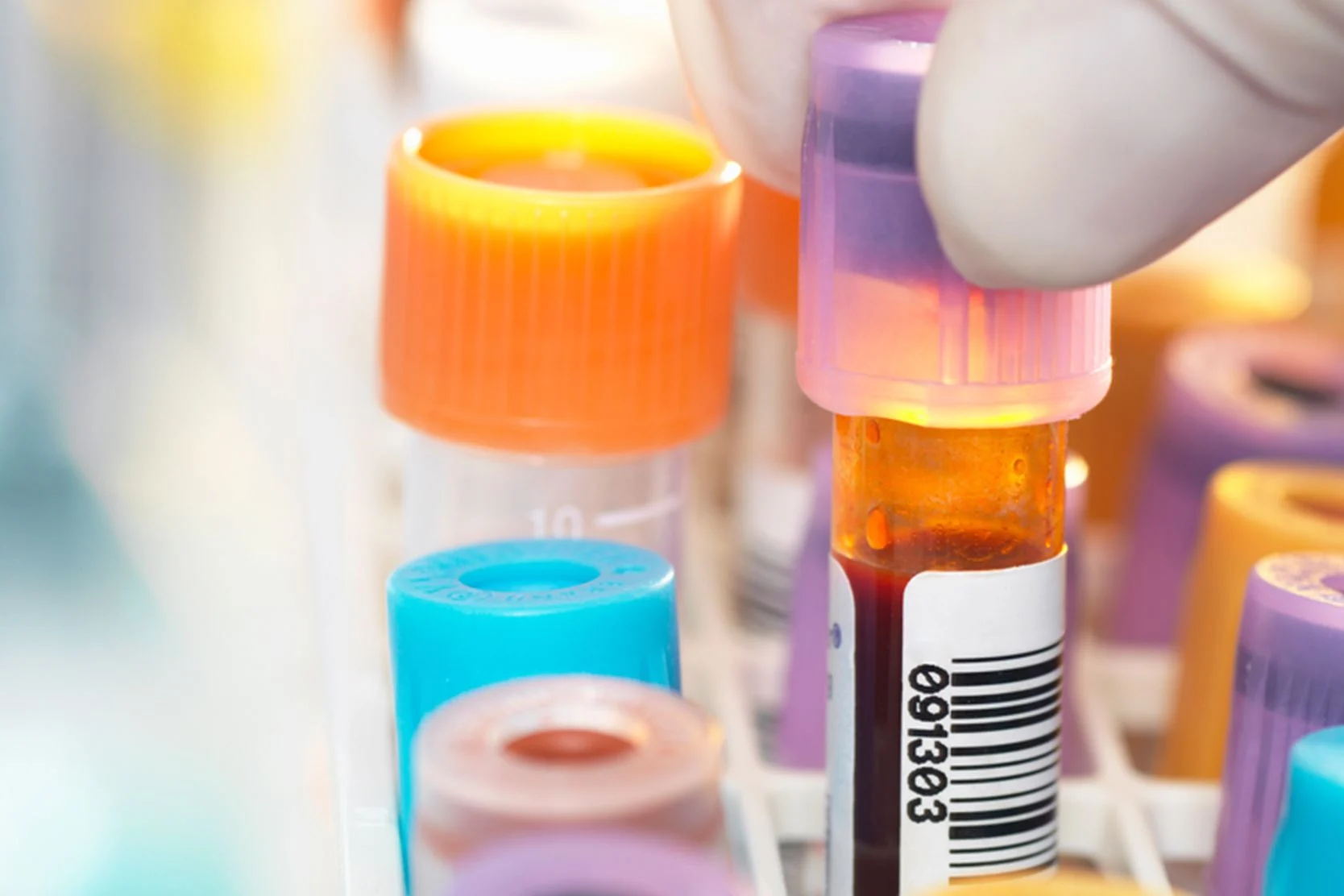
Autologous Transplant Guide
A blood and marrow transplant (BMT) can be challenging. This comprehensive guide can help you or a loved one prepare for the procedure.
Hematology and BMT Resource Guide
Learn about hematology conditions and bone marrow transplant (BMT), connect with support groups and find resources that can promote healing and well-being.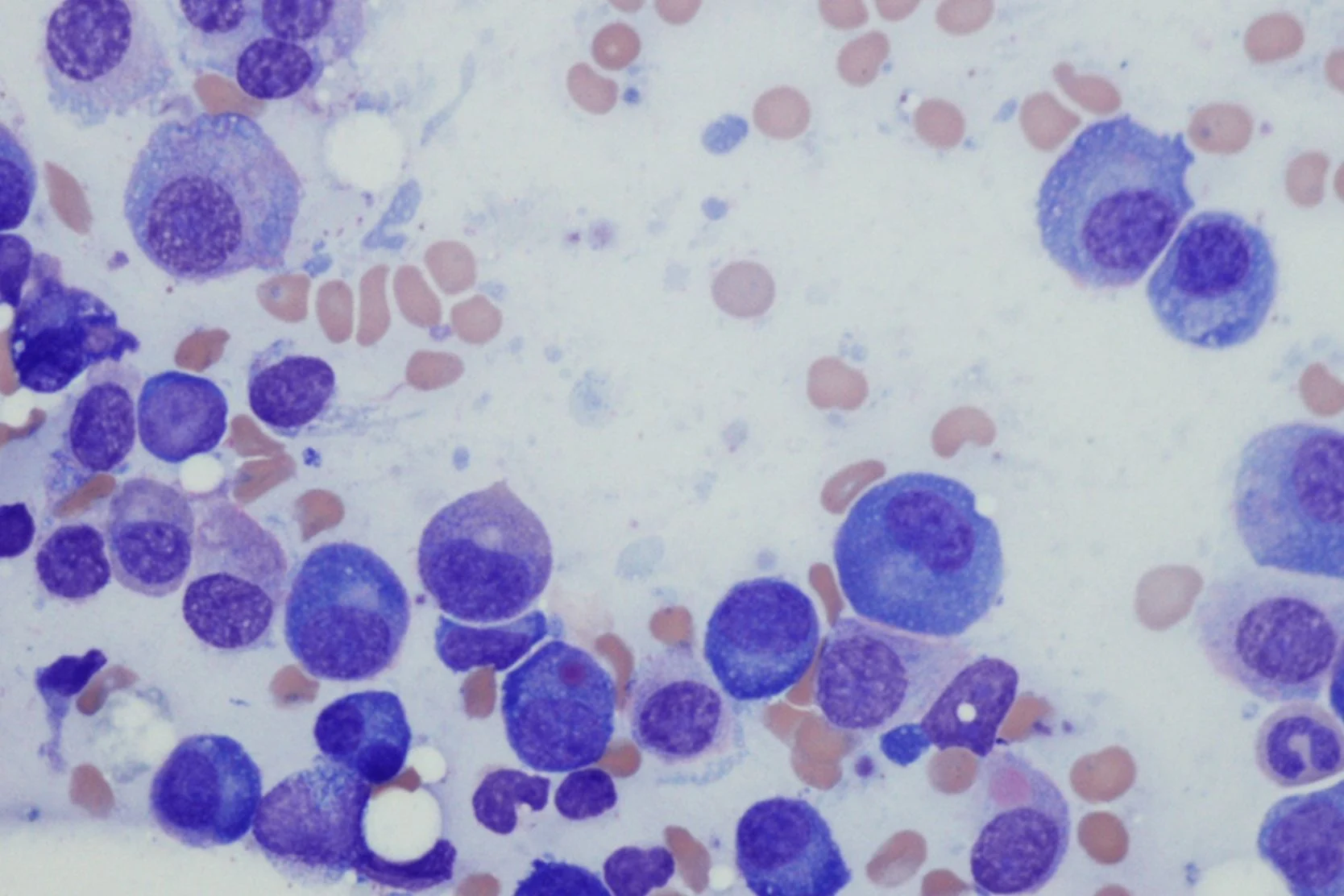
Bone Marrow Transplant Using an Unrelated Donor
Learn about an allogeneic bone marrow transplant, where the bone marrow comes from an unrelated donor. We use HLA typing to find the best match possible.
Self-Care for Caregivers
Caregiver fatigue can be brought on by the physical and emotional demands of caring for a loved one with a serious illness. Learn tips to combat caregiver fatigue here.
Communicating with Your Doctor
The doctor-patient relationship is built on communication and trust. Get tips to strengthen the partnership between you and your care team.
Coping with Chemotherapy
Everyone experiences chemotherapy differently. Understand the possible emotional and physical side effects of chemotherapy and how to cope.
Delegation to Help with Fatigue
Fatigue caused by cancer treatment can make it hard to accomplish tasks. Learn how to delegate tasks to people you trust and communicate effectively.
Nutrition Plans for Cancer Patients Undergoing Treatment
Side effects of cancer treatment may include a loss of appetite and nausea. Find out what foods to avoid and which ones may help you feel better.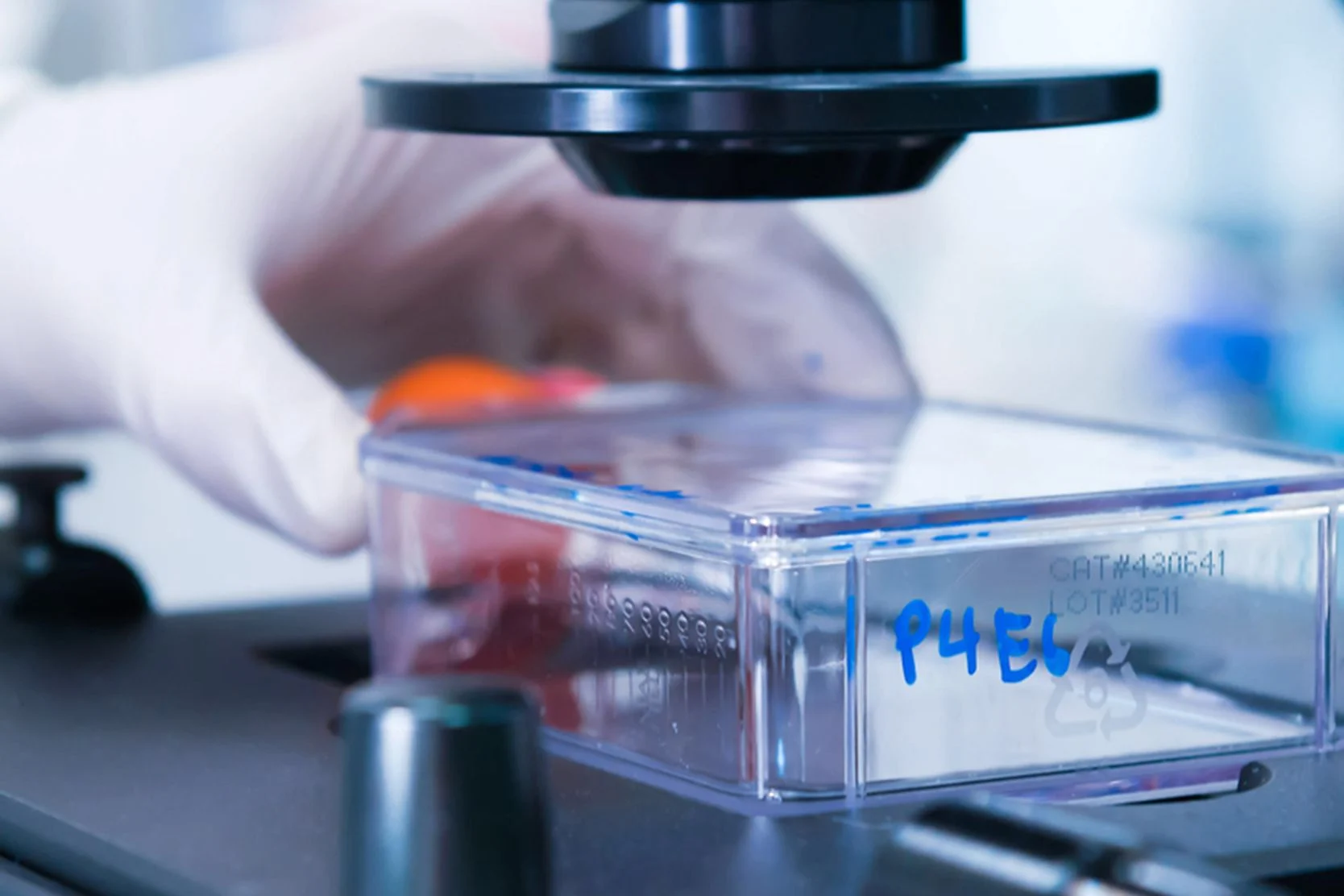
Cancer Pathology Tissue Slides FAQ
If you have a biopsy or surgery, diseased tissue is often placed on slides for a pathologist to examine. Learn how to get the slides to your doctor for review.
Cancer Radiology Scans and Reports FAQ
Learn the difference between a radiology report and radiology films or scans, why your doctor might request the scans and how to get them.
Managing Your Treatment
Living with cancer or caring for someone with the disease can be overwhelming. Here are tips to reduce stress and help navigate life with cancer.
Nutrition and Coping with Cancer Symptoms
Side effects of cancer treatment may affect your eating habits. Find new ways to get the calories, protein and nutrients you need.
Questions to Ask Your Cancer Doctor
These questions can guide conversations with your cancer doctor and help you get the information you need to make care decisions for yourself or a loved one.
Resources for End of Life
Get resources to support yourself and your loved ones through end-of-life issues. Find bereavement support groups, counselors and reading materials.
Tips for Conserving Your Energy
Cancer treatments can cause extreme exhaustion. Here are tips to help you conserve your energy and manage cancer-related fatigue.
Using a Medical Calendar and Symptom Log
Here’s how to keep a medical calendar and symptom log to help you and your doctor track your condition and side effects of treatments or medications.
More treatment info
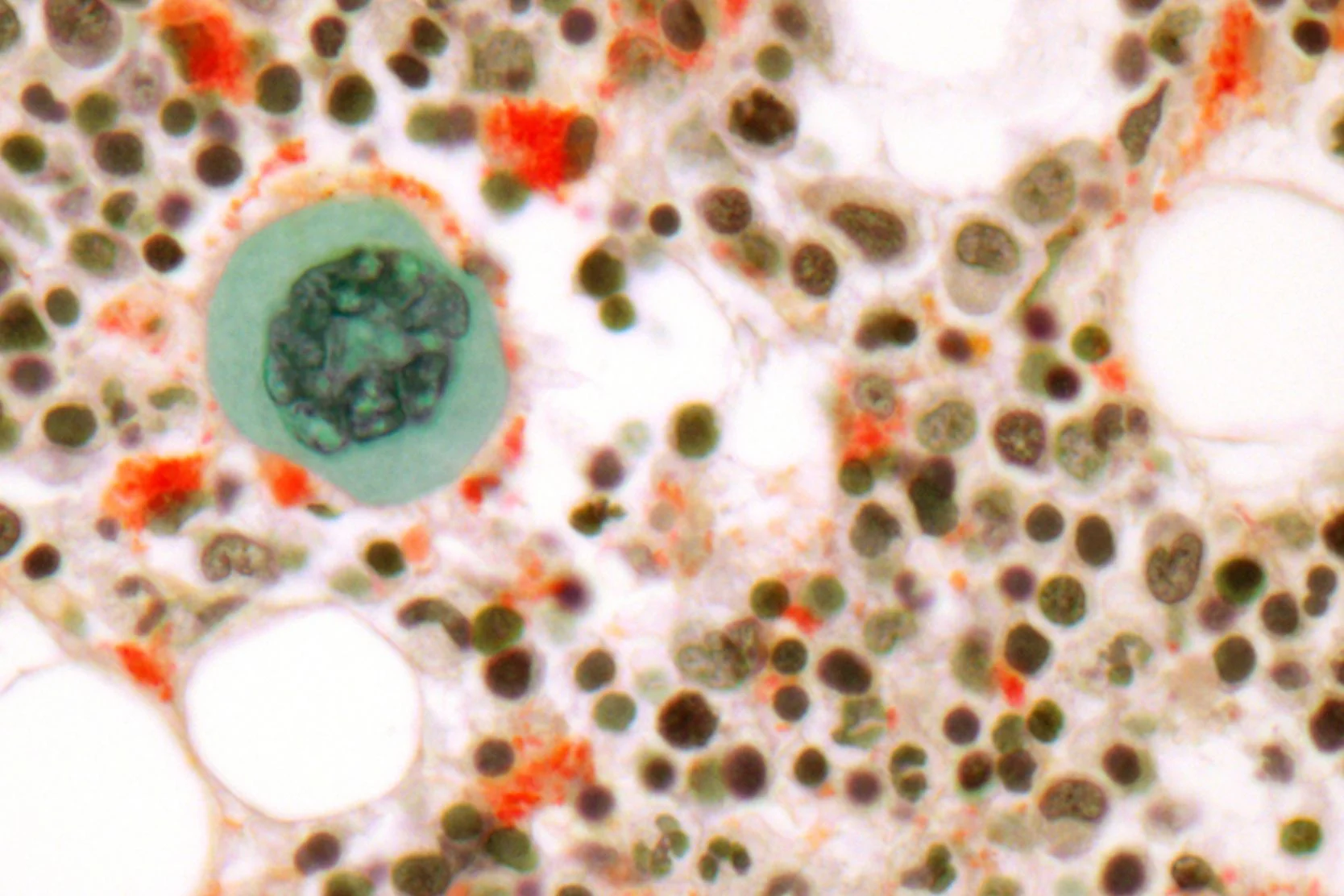
Allogeneic Transplant
Improvements in supportive care over the past 10 years have improved the results and tolerability of blood and marrow transplants (BMT).Learn more here.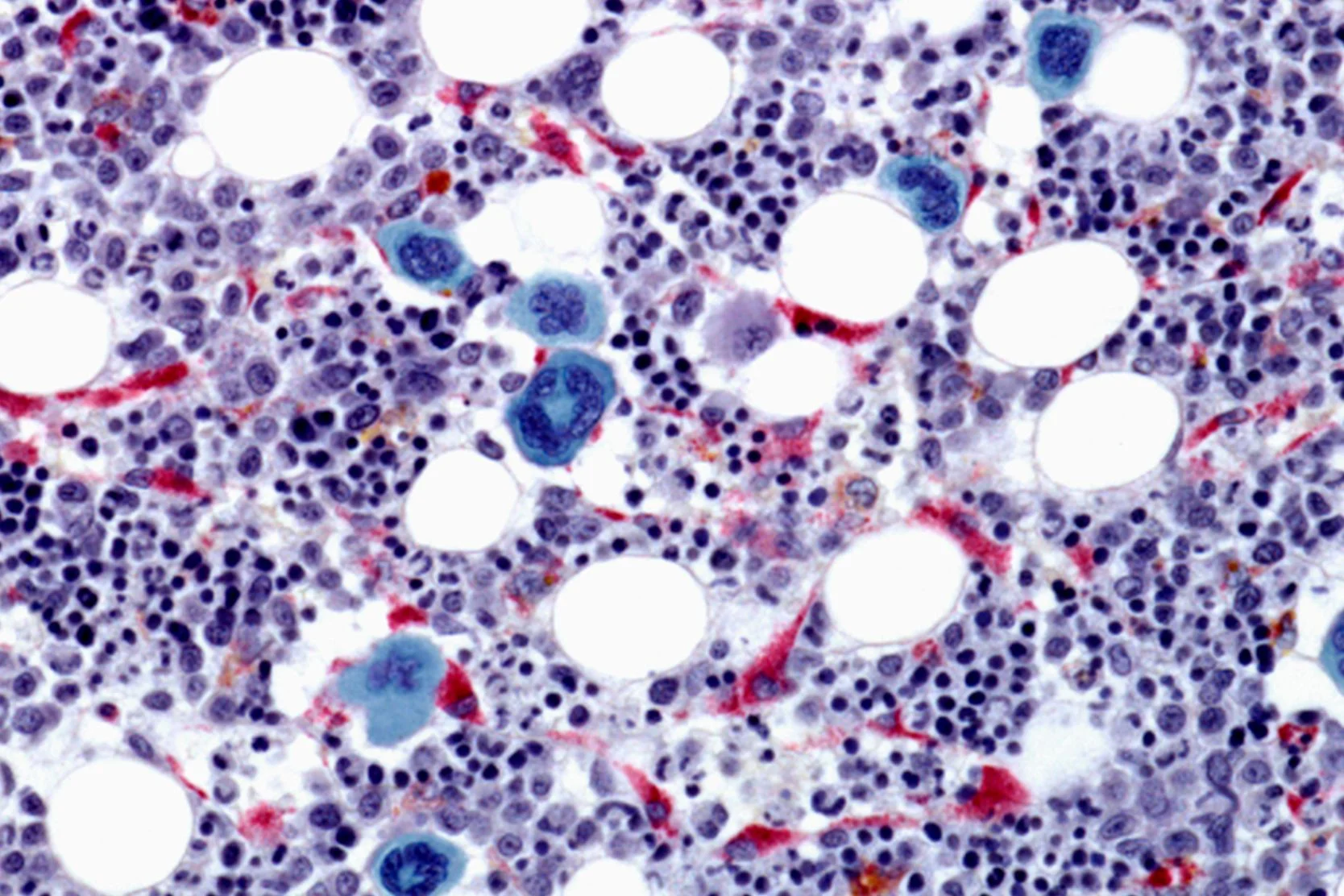
Autologous Transplant
Advances in the treatment of cancer and improvements in supportive care over the past 10 years have improved the results and tolerability of stem cell transplants.
Helpful resources
Support services

Art for Recovery
Creativity can help people with serious illnesses cope, heal and express what they're going through. Find out about our program and how to join.
Cancer Exercise Counseling
Our one-on-one exercise training sessions, customized for your needs and abilities, can complement other cancer treatments and speed your recovery.
Cancer Nutrition Counseling
UCSF Health offers free nutrition counseling to our patients with cancer, as well as nutrition seminars that are open to anyone. Learn more.
Cancer Support Groups
These groups offered by the Ida and Joseph Friend Patient and Family Cancer Support Center are free and available to all patients, whether or not you get your health care at UCSF.
Core and More Class for Cancer Patients
A strong body helps you fight cancer and enjoy life. Join this class to stabilize your core, strengthen your muscles and improve overall fitness. For cancer patients and caregivers!
Friend to Friend Specialty Shops
A one-stop boutique for patients with cancer. Get professional help with wigs, prostheses, sun-protective clothing, makeup, skin care and more.
Meditation and Guided Imagery for Cancer Patients
Drop in for a free class designed to help you heal, relax and find balance during your treatment. UCSF and non-UCSF patients are welcome.
Oncology Social Work
Social workers offer support, problem-solving, help accessing UCSF cancer-related resources and more. Find out how to contact the social worker for your clinic.
Patient & Family Cancer Support Center
The center offers wellness programming, community, support groups, classes, workshops and more at no cost to people facing cancer and their loved ones.
Peer Support Programs for Cancer
PeerTalk connects interested cancer patients with cancer survivors who can share their own experience to provide emotional and practical support.
UCSF Health medical specialists have reviewed this information. It is for educational purposes only and is not intended to replace the advice of your doctor or other health care provider. We encourage you to discuss any questions or concerns you may have with your provider.