
Myeloproliferative Disorders
On this page
Overview
Myeloproliferative neoplasms, or MPNs — also called myeloproliferative disorders, or MPDs — are a collection of blood disorders that are believed to be caused by mutations in bone marrow stem cells. These stem cells normally give rise to mature cells found in the blood, such as red blood cells, which carry oxygen, white blood cells, which fight infection, and platelets, which facilitate blood clotting. In MPN, mutations cause the affected stem cells to produce an abnormal number of these cells. More than 200,000 people in the U.S. are estimated to be living with an MPN.
Generally, MPNs are associated with an overproduction of some of the mature blood cell types. Polycythemia vera is an MPN associated with too many red blood cells; essential thrombocythemia refers to the abnormal overproduction of platelets, and chronic myeloid leukemia is generally associated with too many white blood cells.
Many people with these conditions have few, if any, symptoms, but complications can occur, including stroke in patients with poorly controlled disease. MPNs can sometimes transform to leukemia or to myelofibrosis, an MPN that is characterized by excessive scar-type tissue in the bone marrow.
The molecular causes of the majority of MPN cases have been identified — mutations in the genes JAK2 and ABL are found in nearly all patients with polycythemia vera and chronic myeloid leukemia, respectively. This knowledge has led to the development of targeted therapies that shut off the activity of these overactive mutant proteins. In the case of chronic myeloid leukemia, the outlook of patients has been transformed dramatically as a result.
Our Approach to Myeloproliferative Disorders
UCSF is dedicated to delivering the most advanced treatments for myeloproliferative disorders with care and compassion. There are several types of myeloproliferative disorders, and the best therapy depends on the type and the patient's symptoms. In general, the goal of treatment is to bring the blood cells back to normal levels. Patients who aren't experiencing symptoms may not need immediate treatment but require careful monitoring.
We are also dedicated to discovering better treatments for myeloproliferative disorders through research. Interested patients may have the option to participate in clinical trials of potential new therapies.
Awards & recognition

Best in California and No. 7 in the nation for cancer care
220+
blood and marrow transplants performed each year

Signs & symptoms
Patients with MPN may have many or few symptoms depending on how abnormal their blood counts become.
Those with essential thrombocythemia and polycythemia vera have "thick" blood that is more prone to clotting and is associated with heart attacks, strokes and clots in leg veins. Patients with chronic myelogenous leukemia and myelofibrosis often feel tired and report pain or fullness in their belly from an enlarged spleen.
Patients with MPN may have moderate or severe anemia, a condition where there are not enough red blood cells to carry oxygen. Other signs and symptoms may include:
- Shortness of breath during exertion
- Weakness and fatigue
- Pale skin
- Loss of appetite
- Prolonged bleeding from minor cuts due to low platelet counts
- Purpura, a condition in which the skin bleeds, causing black and blue or pin-sized spots on the skin
- Sinus, skin or urinary infections due to low white blood cell counts
Diagnosis
When an MPN is suspected, blood tests are conducted that count the number of different cells in the blood. If the results are abnormal, other blood tests may be ordered.
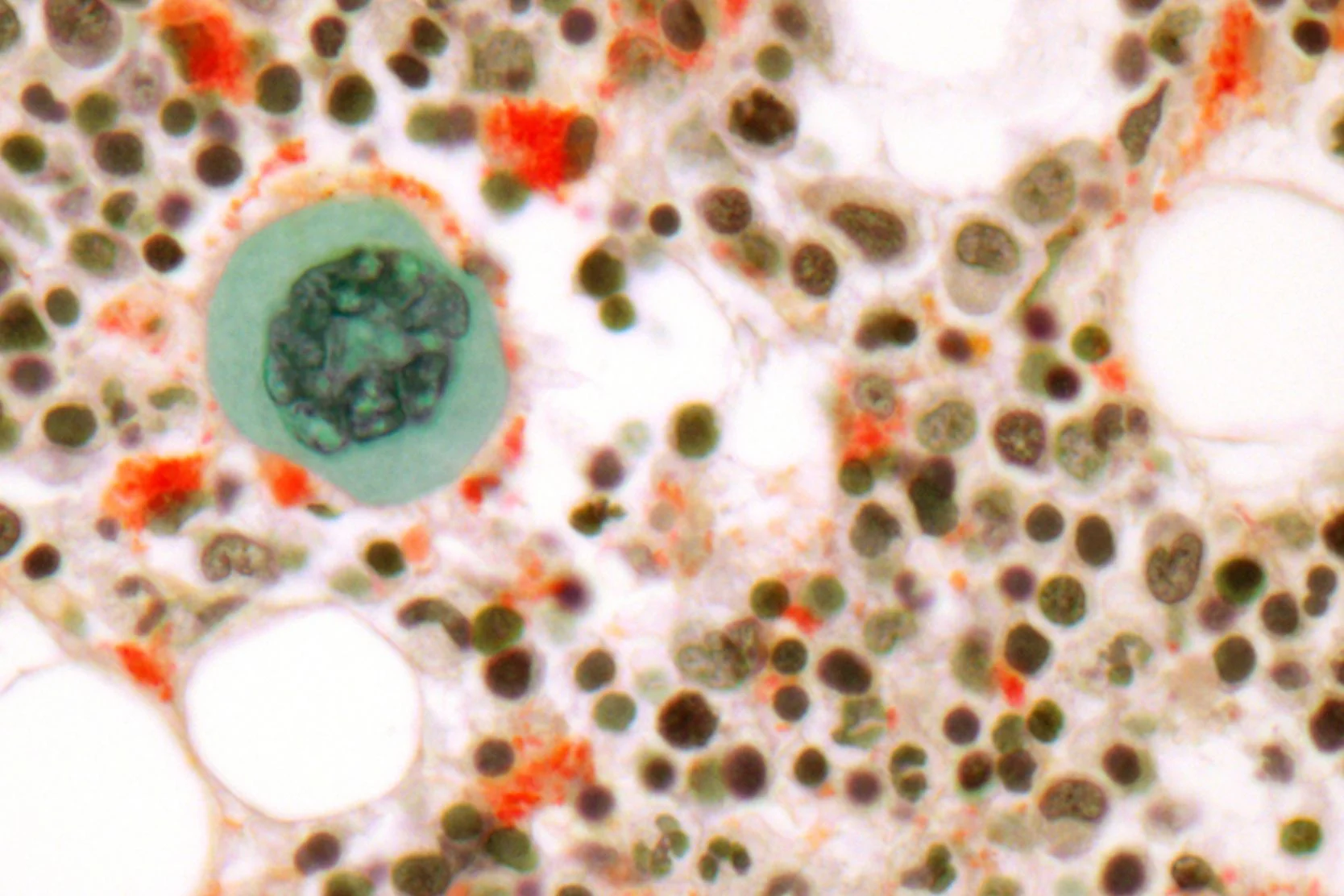
A bone marrow biopsy is performed to confirm a diagnosis of MPN. During this test, a needle is inserted into the bone and marrow is extracted. The sample is then carefully examined under a microscope by a pathologist.
Treatments
Although myeloproliferative neoplasms usually cannot be cured, there are treatments for all patients with the condition. Treatment of MPNs depends on the type and on the presence of symptoms. In general, treatment aims to correct the abnormal blood counts.
Some people don't experience any symptoms and therefore don't require treatment.
Low dose chemotherapy pills, such as hydrea, can be given to patients with essential thrombocythemia and polycythemia vera to lower their platelet and red blood cell counts. Phlebotomy (the removal of blood intravenously) is also an effective strategy for lowering red blood cell counts and controlling symptoms.
The treatment of choice for chronic myelogenous leukemia is a new anti-leukemia medication, called Gleevec. Testoterone therapy can sometimes improve anemia in patients with myelofibrosis. Other potential therapies for myelofibrosis include chemotherapy, radiation therapy, thalidomide and alpha interferon. In addition, patients with myelofibrosis frequently require red blood cell transfusions.
Chemotherapy
Chemotherapy uses drugs to kill extra blood cells in the body. Chemotherapy may be taken orally in a pill format or may be administered intravenously (through an IV). Chemotherapy is called a systemic treatment because the drug enters the bloodstream, travels through the body and can kill cells throughout the body.
Radiation Therapy
Radiation therapy uses high-energy X-rays to kill cells and is sometimes used to relieve symptoms of MPN. External beam radiation therapy, which uses a machine outside the body to administer the radiation, is usually the type of radiation therapy used to treat MPN. In addition, a radioactive drug called P32 can be given intravenously to lower the number of red blood cells made by the bone marrow.
Surgery
Surgery to remove the spleen, called a splenectomy, may be performed if a patient's spleen is swollen.
Biological Therapy
Biological therapy is being tested as a possible treatment of MPN. This type of therapy uses materials made either by the body or in a laboratory to boost, direct or restore the body's immune system. Biological therapy sometimes is called biological response modifier (BRM) therapy or immunotherapy.
Hormones
Hormones may be used in certain instances to treat side effects of MPN. In patients with agnogenic myeloid metaplasia, hormones called glucocorticoids may be given to increase the life span of red blood cells. In addition, hormones called androgens sometimes are used to stimulate the bone marrow to produce more blood cells.
A person's recovery or response to therapy depends on their type of MPN, age and general health. Most people with essential thrombocythemia and polycythemia vera live more than 10 to 15 years with few complications. People with myelofibrosis live approximately five years and in some cases, the disease may develop into acute leukemia.
Stem Cell Transplantation
The only curative therapy for MPN (excluding chronic myelogenous leukemia) is allogeneic stem cell transplantation, which is the transfer of stem cells from one person to another.
Whether stem cell transplantation is an appropriate therapy for an individual patient depends on a number of factors including age, MPN subtype, current symptoms or the extent of disease and the availability of a donor. We encourage patients to consult with a stem cell transplantation doctor to learn more about MPN, possible treatments and stem cell transplantation.
Recommended reading

Hematology and BMT Resource Guide
Learn about hematology conditions and bone marrow transplant (BMT), connect with support groups and find resources that can promote healing and well-being.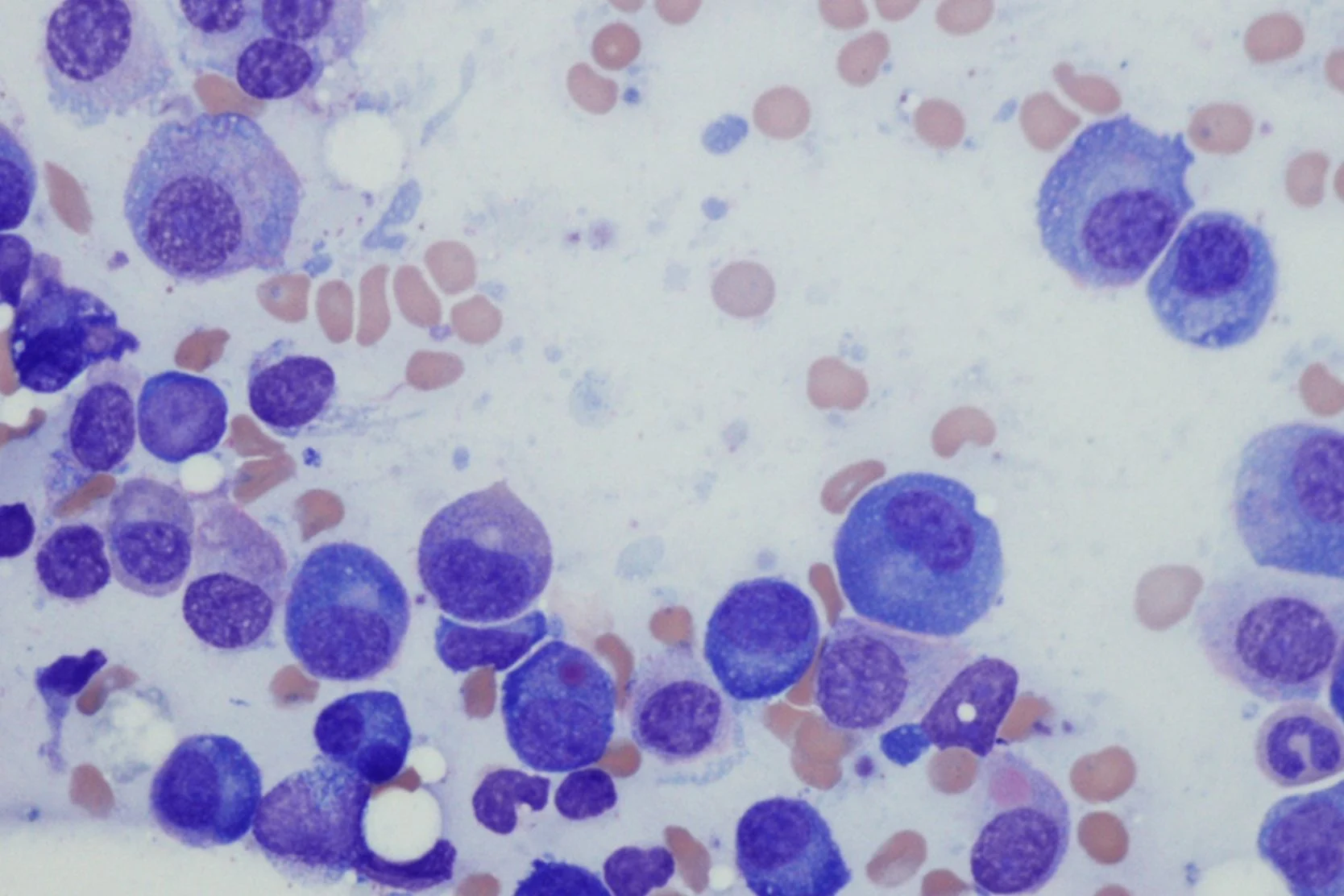
Bone Marrow Transplant Using an Unrelated Donor
Learn about an allogeneic bone marrow transplant, where the bone marrow comes from an unrelated donor. We use HLA typing to find the best match possible.
Self-Care for Caregivers
Caregiver fatigue can be brought on by the physical and emotional demands of caring for a loved one with a serious illness. Learn tips to combat caregiver fatigue here.
Communicating with Your Doctor
The doctor-patient relationship is built on communication and trust. Get tips to strengthen the partnership between you and your care team.
Coping with Chemotherapy
Everyone experiences chemotherapy differently. Understand the possible emotional and physical side effects of chemotherapy and how to cope.
Delegation to Help with Fatigue
Fatigue caused by cancer treatment can make it hard to accomplish tasks. Learn how to delegate tasks to people you trust and communicate effectively.
Nutrition Plans for Cancer Patients Undergoing Treatment
Side effects of cancer treatment may include a loss of appetite and nausea. Find out what foods to avoid and which ones may help you feel better.
Cancer Pathology Tissue Slides FAQ
If you have a biopsy or surgery, diseased tissue is often placed on slides for a pathologist to examine. Learn how to get the slides to your doctor for review.
Cancer Radiology Scans and Reports FAQ
Learn the difference between a radiology report and radiology films or scans, why your doctor might request the scans and how to get them.
Managing Your Treatment
Living with cancer or caring for someone with the disease can be overwhelming. Here are tips to reduce stress and help navigate life with cancer.
Nutrition and Coping with Cancer Symptoms
Side effects of cancer treatment may affect your eating habits. Find new ways to get the calories, protein and nutrients you need.
Questions to Ask Your Cancer Doctor
These questions can guide conversations with your cancer doctor and help you get the information you need to make care decisions for yourself or a loved one.
Resources for End of Life
Get resources to support yourself and your loved ones through end-of-life issues. Find bereavement support groups, counselors and reading materials.
Tips for Conserving Your Energy
Cancer treatments can cause extreme exhaustion. Here are tips to help you conserve your energy and manage cancer-related fatigue.
Using a Medical Calendar and Symptom Log
Here’s how to keep a medical calendar and symptom log to help you and your doctor track your condition and side effects of treatments or medications.
More treatment info
Allogeneic Transplant
Improvements in supportive care over the past 10 years have improved the results and tolerability of blood and marrow transplants (BMT).Learn more here.
Related services & treatments
Specialties
Conditions
Treatments
- Targeted Molecular Therapy
- Allogeneic Stem Cell Transplant
- Clinical Trials
- Biological Targeted Therapy
Support services

Art for Recovery
Creativity can help people with serious illnesses cope, heal and express what they're going through. Find out about our program and how to join.
Cancer Exercise Counseling
Our one-on-one exercise training sessions, customized for your needs and abilities, can complement other cancer treatments and speed your recovery.
Cancer Nutrition Counseling
UCSF Health offers free nutrition counseling to our patients with cancer, as well as nutrition seminars that are open to anyone. Learn more.
Cancer Support Groups
These groups offered by the Ida and Joseph Friend Patient and Family Cancer Support Center are free and available to all patients, whether or not you get your health care at UCSF.
Core and More Class for Cancer Patients
A strong body helps you fight cancer and enjoy life. Join this class to stabilize your core, strengthen your muscles and improve overall fitness. For cancer patients and caregivers!
Friend to Friend Specialty Shops
A one-stop boutique for patients with cancer. Get professional help with wigs, prostheses, sun-protective clothing, makeup, skin care and more.
Meditation and Guided Imagery for Cancer Patients
Drop in for a free class designed to help you heal, relax and find balance during your treatment. UCSF and non-UCSF patients are welcome.
Oncology Social Work
Social workers offer support, problem-solving, help accessing UCSF cancer-related resources and more. Find out how to contact the social worker for your clinic.
Patient & Family Cancer Support Center
The center offers wellness programming, community, support groups, classes, workshops and more at no cost to people facing cancer and their loved ones.
Peer Support Programs for Cancer
PeerTalk connects interested cancer patients with cancer survivors who can share their own experience to provide emotional and practical support.
UCSF Health medical specialists have reviewed this information. It is for educational purposes only and is not intended to replace the advice of your doctor or other health care provider. We encourage you to discuss any questions or concerns you may have with your provider.