
AIDS-related Lymphoma
On this page
Overview
AIDS-related lymphoma is a disease in which cancer or malignant cells are found in the lymph systems of patients who have AIDS.
The lymph system is made up of thin tubes that branch, like blood vessels, into all parts of the body. Lymph vessels carry lymph, a colorless, watery fluid that contains white blood cells called lymphocytes. Along the network of vessels are groups of small, bean-shaped organs called lymph nodes. Clusters of lymph nodes make and store infection-fighting cells. The spleen, an organ in the upper abdomen that makes lymphocytes and filters old blood cells from the blood; the thymus, a small organ beneath the breastbone; and the tonsils, an organ in the throat, are part of the lymph system.
Because there is lymph tissue in many parts of the body, the cancer can spread to almost any of the body's organs or tissues including the liver, bone marrow (spongy tissue inside the large bones of the body that makes blood cells), spleen or brain.
Types of lymphoma
Lymphomas are divided into two general types, Hodgkin's lymphoma and non-Hodgkin's lymphomas, which are classified by the way their cells look under a microscope. This determination is called the histology. Histology also is used to determine the subtype of non-Hodgkin's lymphoma.
The types of non-Hodgkin's lymphomas are classified by how quickly they spread: low-grade, intermediate-grade or high-grade. The intermediate or high-grade lymphomas grow and spread faster than the low-grade lymphomas.
Both major types of lymphoma — Hodgkin's lymphoma and non-Hodgkin's lymphoma, especially the more aggressive, intermediate and high grade lymphomas — may occur in adult and pediatric AIDS patients.
A separate type of lymphoma, called primary central nervous system lymphoma, starts in the brain or spinal cord, both of which are part of the central nervous system (CNS). This type of lymphoma is called a "primary CNS lymphoma" because it starts in the central nervous system rather than starting somewhere else in the body and spreading to the CNS. The immune deficiency usually is quite advanced before this develops.
Our approach to AIDS-related lymphoma
UCSF has been the birthplace of many treatment breakthroughs for both HIV/AIDS and cancer. We offer compassionate, cutting-edge care for these conditions, alongside support services and access to potential new therapies via clinical trials.
Treatment for AIDS-related lymphoma often consists of a combination of chemotherapy drugs, sometimes with the addition of radiation therapy. Because cancer treatment can further weaken patients' immune systems, we may use lower drug doses than we would for lymphoma patients who don't have AIDS. HIV drugs, by boosting the immune system, can also help the body fight cancer. Our goal is to cure the lymphoma.
Signs & symptoms
See a doctor if any of the following symptoms persist for longer than two weeks:
- Painless swelling in the lymph nodes in the neck, underarm or groin
- Fever
- Night sweats
- Tiredness
- Weight loss without dieting
- Itchy skin
Diagnosis
If you have AIDS and symptoms of lymphoma, a doctor will carefully check for swelling or lumps in the neck, underarms and groin. Scans may be done to examine lymph nodes inside the body. If the lymph nodes don't feel or look normal, your doctor may need to cut out a small piece of tissue and look at it under the microscope to detect cancer cells. This procedure is called a biopsy.
Once AIDS-related lymphoma is found, more tests will be done to find out if the cancer has spread from where it started to other parts of the body, a process called staging.
Treatments
In general, patients with AIDS-related lymphoma respond to treatment differently from patients with lymphoma who do not have AIDS. AIDS-related lymphoma usually grows faster and spreads outside the lymph nodes and to other parts of the body more often than lymphoma that is not related to AIDS.
Because therapy can damage weak immune systems even further, patients who have AIDS-related lymphoma may be treated with lower doses of drugs than those who do not have AIDS.
Two types of treatment are commonly used:
Chemotherapy
Chemotherapy is the use of drugs to kill cancer cells and shrink tumors. Chemotherapy may be taken by pill or it may be put into the body by inserting a needle into a vein or muscle.
Chemotherapy is called a systemic treatment because the drugs enter the bloodstream, travel through the body and can kill cancer cells throughout the body. Most often, a combination of several chemotherapy drugs is given repeatedly over the course of several months in an attempt to cure the lymphoma.
Intrathecal chemotherapy is a type of chemotherapy delivered into the fluid surrounding the brain and spinal cord via a needle placed in the brain or lower back. Intrathecal chemotherapy is used to treat non-Hodgkin lymphoma that has spread to the brain. Even if the cancer has not spread, the cancer team may still give this treatment to help prevent the lymphoma from reaching the brain.
Radiation therapy
Radiation therapy is the use of high-energy X-rays to kill cancer cells and shrink tumors. Radiation for non-Hodgkin's lymphoma usually comes from a machine outside the body, called external-beam radiation therapy. Radiation given to the brain is called cranial irradiation.
Radiation therapy may be used alone but more often is given in addition to chemotherapy especially for Hodgkin's lymphoma.
Awards & recognition

Best in California and No. 7 in the nation for cancer care

Recommended reading
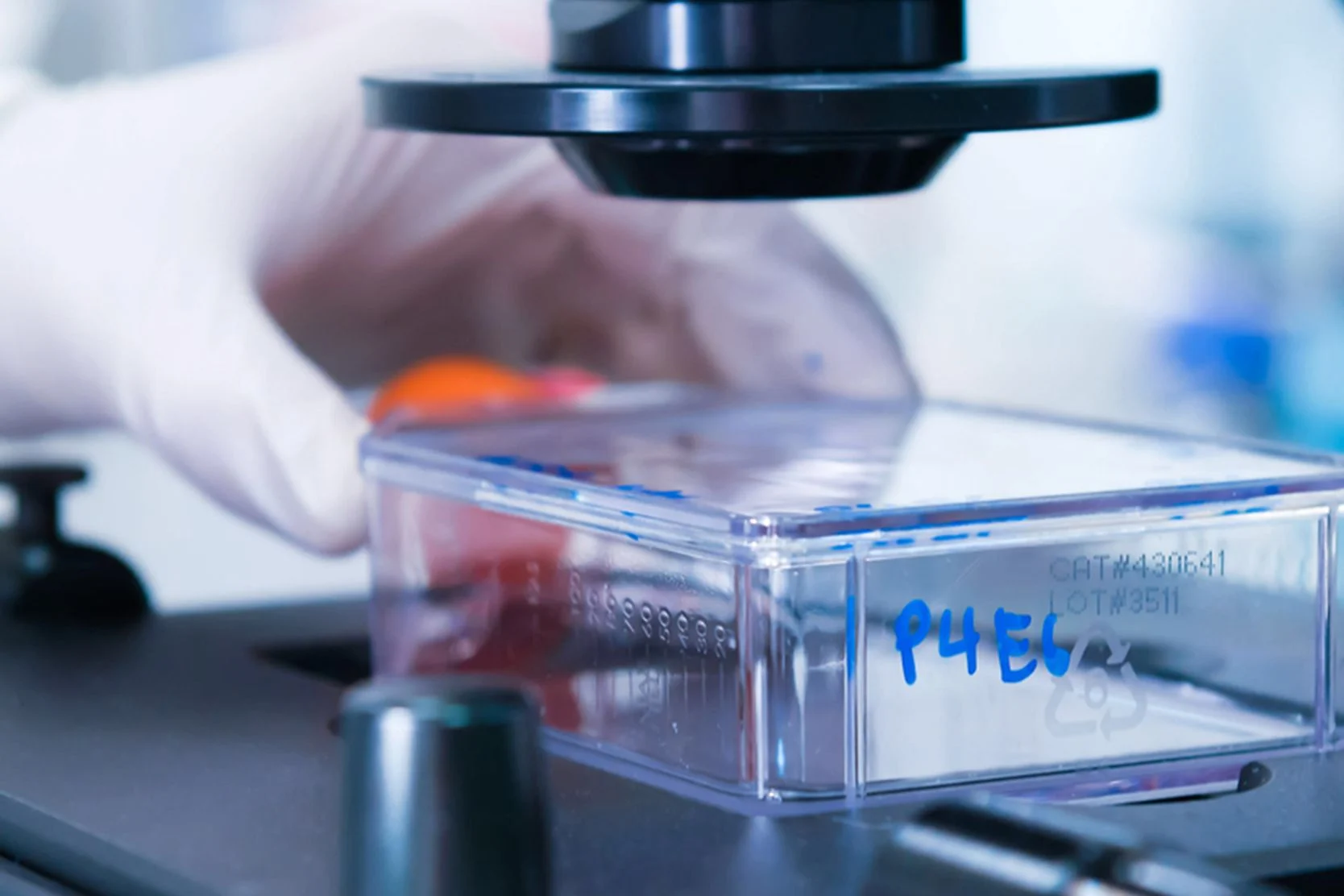
Cancer Pathology Tissue Slides FAQ
If you have a biopsy or surgery, diseased tissue is often placed on slides for a pathologist to examine. Learn how to get the slides to your doctor for review.
Cancer Radiology Scans and Reports FAQ
Learn the difference between a radiology report and radiology films or scans, why your doctor might request the scans and how to get them.
Self-Care for Caregivers
Caregiver fatigue can be brought on by the physical and emotional demands of caring for a loved one with a serious illness. Learn tips to combat caregiver fatigue here.
Communicating with Your Doctor
The doctor-patient relationship is built on communication and trust. Get tips to strengthen the partnership between you and your care team.
Coping with Chemotherapy
Everyone experiences chemotherapy differently. Understand the possible emotional and physical side effects of chemotherapy and how to cope.
Delegation to Help with Fatigue
Fatigue caused by cancer treatment can make it hard to accomplish tasks. Learn how to delegate tasks to people you trust and communicate effectively.
Nutrition Plans for Cancer Patients Undergoing Treatment
Side effects of cancer treatment may include a loss of appetite and nausea. Find out what foods to avoid and which ones may help you feel better.
Managing Your Treatment
Living with cancer or caring for someone with the disease can be overwhelming. Here are tips to reduce stress and help navigate life with cancer.
Nutrition and Coping with Cancer Symptoms
Side effects of cancer treatment may affect your eating habits. Find new ways to get the calories, protein and nutrients you need.
Questions to Ask Your Cancer Doctor
These questions can guide conversations with your cancer doctor and help you get the information you need to make care decisions for yourself or a loved one.
Resources for End of Life
Get resources to support yourself and your loved ones through end-of-life issues. Find bereavement support groups, counselors and reading materials.
Tips for Conserving Your Energy
Cancer treatments can cause extreme exhaustion. Here are tips to help you conserve your energy and manage cancer-related fatigue.
Using a Medical Calendar and Symptom Log
Here’s how to keep a medical calendar and symptom log to help you and your doctor track your condition and side effects of treatments or medications.
Related services & treatments
Specialties
Conditions
Treatments
- Cancer Chemotherapy
- External Beam Radiation Therapy
- Chemoradiation
- Combined Modality Therapy
- Clinical Trials
Support services

Art for Recovery
Creativity can help people with serious illnesses cope, heal and express what they're going through. Find out about our program and how to join.
Cancer Exercise Counseling
Our one-on-one exercise training sessions, customized for your needs and abilities, can complement other cancer treatments and speed your recovery.
Cancer Nutrition Counseling
UCSF Health offers free nutrition counseling to our patients with cancer, as well as nutrition seminars that are open to anyone. Learn more.
Cancer Support Groups
These groups offered by the Ida and Joseph Friend Patient and Family Cancer Support Center are free and available to all patients, whether or not you get your health care at UCSF.
Core and More Class for Cancer Patients
A strong body helps you fight cancer and enjoy life. Join this class to stabilize your core, strengthen your muscles and improve overall fitness. For cancer patients and caregivers!
Friend to Friend Specialty Shops
A one-stop boutique for patients with cancer. Get professional help with wigs, prostheses, sun-protective clothing, makeup, skin care and more.
Meditation and Guided Imagery for Cancer Patients
Drop in for a free class designed to help you heal, relax and find balance during your treatment. UCSF and non-UCSF patients are welcome.
Oncology Social Work
Social workers offer support, problem-solving, help accessing UCSF cancer-related resources and more. Find out how to contact the social worker for your clinic.
Patient & Family Cancer Support Center
The center offers wellness programming, community, support groups, classes, workshops and more at no cost to people facing cancer and their loved ones.
Peer Support Programs for Cancer
PeerTalk connects interested cancer patients with cancer survivors who can share their own experience to provide emotional and practical support.
UCSF Health medical specialists have reviewed this information. It is for educational purposes only and is not intended to replace the advice of your doctor or other health care provider. We encourage you to discuss any questions or concerns you may have with your provider.