
Vulvar Cancer
On this page
Overview
Vulvar cancer forms in the vulva, the area around the external genital organs on a woman. The vulva includes the following parts:
- Labia The lips around the opening of the vagina
- Clitoris A small mass of tissue at the opening of the vagina
- Bartholin's Glands The small mucus-producing glands on either side of the vaginal opening
In most cases, cancer of the vulva affects the labia. Less often, cancer occurs on the clitoris or in Bartholin's glands. Over 90 percent of vulvar cancers are considered a type of skin cancer because they begin in the squamous cells, the main cell type of the skin. They usually develop slowly over many years and in their earliest form are not cancerous.
When diagnosed and treated early, vulvar cancer can be cured in more than 90 percent of cases.
Risk Factors
Vulvar cancer is relatively rare, and typically affects Caucasian women over the age of 60, although the condition can occur in younger women and those of all ethnicities. Other risk factors for the condition include:
- Smoking
- Taking steroids or other drugs that weaken the immune system
- Genital warts caused by the sexually transmitted human papillomavirus (HPV)
Our Approach to Vulvar Cancer
UCSF offers innovative, compassionate care in a supportive environment to patients with vulvar cancer. Our team includes gynecologic oncologists, gynecologic cancer surgeons, radiation oncologists and nurses with special training in reproductive cancers. We also work with plastic surgeons for patients who need reconstructive surgery once the cancerous tissue is removed.
We believe that education is a powerful part of the healing process. Our team works with each patient to help her understand her condition and all her treatment options, so we can decide together on the best course of action.
Signs & symptoms
In most cases, vulvar cancer causes early symptoms. Therefore, if you experience any of the symptoms of the condition, you should visit your doctor immediately. Common symptoms of vulvar cancer may include:
- Vulvar itching that lasts more than one month
- A cut or sore on the vulva that won't heal
- A lump or mass on the vulva
- Unexplained vulvar pain
- Bleeding from the vulva that is different from your usual monthly bleeding
- Burning in the area that lasts even after your doctor has treated the burning
- Any change in size, color or texture of a birthmark or mole in the vulvar area
Diagnosis
It is important to note that if detected and treated early, vulvar cancer has a high cure rate. Therefore, it is essential that you visit your doctor for a definite diagnosis.
In making a diagnosis, your doctor will first review your medical history, ask about any symptoms you are experiencing and conduct a thorough physical exam. The following tests also may be performed:
- Pelvic Exam This test involves feeling the uterus, vagina, ovaries, fallopian tubes, bladder and rectum to find any abnormality in their shape or size.
- Ultrasound This test uses high-frequency sound waves to create images of organs and systems within the body. These waves, which cannot be heard by humans, create a pattern of echoes called a sonogram. Healthy tissues, fluid-filled cysts and tumors look different on this picture.
- Computed Tomography (CT) Scan This is a method of body imaging in which a thin X-ray beam rotates around the patient. Small detectors measure the amount of X-rays that make it through the patient or particular area of interest. A computer analyzes the data to construct a cross-sectional image. These images can be stored, viewed on a monitor or printed on film. In addition, stacking the individual images or "slices" can create three-dimensional models of organs.
- Chest X-Ray This X-ray provides pictures of the organs and structures inside the chest, including the heart and lungs and the airway leading to them, major blood vessels, and upper portion of the thin sheet of muscle just below the lungs.
- Magnetic Resonance Imaging (MRI) This is a painless, non-invasive procedure that uses powerful magnets and radio waves to construct pictures of the body. Any imaging plane, or "slice," can be projected, stored in a computer or printed on film. MRI can easily be performed through clothing and bones.
- Biopsy This test involves removing a small piece of tissue for microscopic examination and/or culture, often to help your doctor make a diagnosis.
Treatments
When diagnosed and treated early, vulvar cancer can be cured in over 90 percent of cases. Treatment for vulvar cancer typically involves surgery, radiation therapy and in some cases, chemotherapy. Our team of cancer specialists, radiation specialists and plastic surgeons work together to design the most effective treatment plan for your condition.
Surgery
In many cases, vulvar cancer is treated with surgery. The type of surgery depends on the size, depth and spread of the cancer.
One commonly used form of surgery is called wide local excision, in which the cancer and some of the normal tissue around the cancer is removed. Another surgical approach is called a radical excision, which removes the cancer and a larger portion of surrounding tissue and, in some cases, the lymph nodes. After these procedures, patients may need to have skin from another part of the body added, or grafted, and plastic surgery to make an artificial vulva or vagina.
In addition, in some cases, laser surgery may be used, which uses a narrow beam of light to remove cancer cells.
Radiation Therapy
Radiation therapy uses X-rays or other high-energy rays to kill cancer cells and shrink tumors. Radiation may come from a machine outside the body, called external beam radiation therapy. Another form or radiation therapy, called internal radiation, works by placing materials that produce radiation, called radioisotopes, through thin plastic tubes into the area where the cancer cells are found. Radiation may be used alone, before or after surgery.
Chemotherapy
Chemotherapy uses drugs to kill cancer cells. Drugs may be given by mouth, or they may be put into the body by a needle in the vein or muscle. Chemotherapy is called systemic treatment because the drug enters the blood stream, travels through the body, and can kill cancer cells throughout the body.
Awards & recognition

Best in California and No. 7 in the nation for cancer care
Designated comprehensive cancer center

Recommended reading
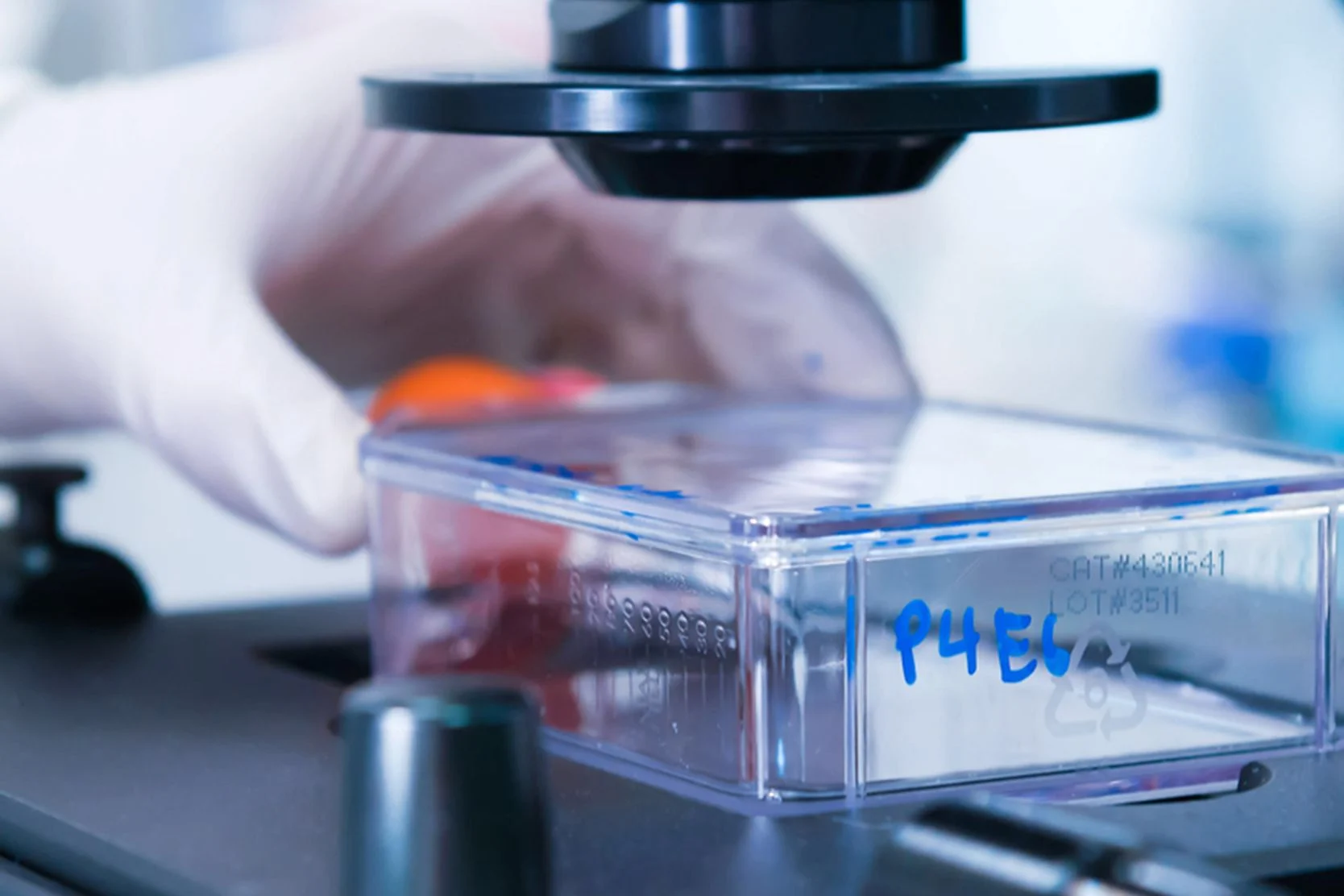
Cancer Pathology Tissue Slides FAQ
If you have a biopsy or surgery, diseased tissue is often placed on slides for a pathologist to examine. Learn how to get the slides to your doctor for review.
Cancer Radiology Scans and Reports FAQ
Learn the difference between a radiology report and radiology films or scans, why your doctor might request the scans and how to get them.
Self-Care for Caregivers
Caregiver fatigue can be brought on by the physical and emotional demands of caring for a loved one with a serious illness. Learn tips to combat caregiver fatigue here.
Communicating with Your Doctor
The doctor-patient relationship is built on communication and trust. Get tips to strengthen the partnership between you and your care team.
Coping with Chemotherapy
Everyone experiences chemotherapy differently. Understand the possible emotional and physical side effects of chemotherapy and how to cope.
Delegation to Help with Fatigue
Fatigue caused by cancer treatment can make it hard to accomplish tasks. Learn how to delegate tasks to people you trust and communicate effectively.
Nutrition Plans for Cancer Patients Undergoing Treatment
Side effects of cancer treatment may include a loss of appetite and nausea. Find out what foods to avoid and which ones may help you feel better.
Managing Your Treatment
Living with cancer or caring for someone with the disease can be overwhelming. Here are tips to reduce stress and help navigate life with cancer.
Nutrition and Coping with Cancer Symptoms
Side effects of cancer treatment may affect your eating habits. Find new ways to get the calories, protein and nutrients you need.
Questions to Ask Your Cancer Doctor
These questions can guide conversations with your cancer doctor and help you get the information you need to make care decisions for yourself or a loved one.
Resources for End of Life
Get resources to support yourself and your loved ones through end-of-life issues. Find bereavement support groups, counselors and reading materials.
Tips for Conserving Your Energy
Cancer treatments can cause extreme exhaustion. Here are tips to help you conserve your energy and manage cancer-related fatigue.
Using a Medical Calendar and Symptom Log
Here’s how to keep a medical calendar and symptom log to help you and your doctor track your condition and side effects of treatments or medications.
Related services & treatments
Specialties
Treatments
- Vulvectomy
- Radical Vulvectomy
- Lymph Node Dissection
- Gynecologic Cancer Care
- Brachytherapy
- Intensity-Modulated Radiation Therapy
Helpful resources
Support services

Art for Recovery
Creativity can help people with serious illnesses cope, heal and express what they're going through. Find out about our program and how to join.
Cancer Exercise Counseling
Our one-on-one exercise training sessions, customized for your needs and abilities, can complement other cancer treatments and speed your recovery.
Cancer Nutrition Counseling
UCSF Health offers free nutrition counseling to our patients with cancer, as well as nutrition seminars that are open to anyone. Learn more.
Cancer Support Groups
These groups offered by the Ida and Joseph Friend Patient and Family Cancer Support Center are free and available to all patients, whether or not you get your health care at UCSF.
Core and More Class for Cancer Patients
A strong body helps you fight cancer and enjoy life. Join this class to stabilize your core, strengthen your muscles and improve overall fitness. For cancer patients and caregivers!
Friend to Friend Specialty Shops
A one-stop boutique for patients with cancer. Get professional help with wigs, prostheses, sun-protective clothing, makeup, skin care and more.
Meditation and Guided Imagery for Cancer Patients
Drop in for a free class designed to help you heal, relax and find balance during your treatment. UCSF and non-UCSF patients are welcome.
Oncology Social Work
Social workers offer support, problem-solving, help accessing UCSF cancer-related resources and more. Find out how to contact the social worker for your clinic.
Patient & Family Cancer Support Center
The center offers wellness programming, community, support groups, classes, workshops and more at no cost to people facing cancer and their loved ones.
Peer Support Programs for Cancer
PeerTalk connects interested cancer patients with cancer survivors who can share their own experience to provide emotional and practical support.
UCSF Health medical specialists have reviewed this information. It is for educational purposes only and is not intended to replace the advice of your doctor or other health care provider. We encourage you to discuss any questions or concerns you may have with your provider.