
Cholangiocarcinoma
On this page
Overview
Cholangiocarcinoma is a rare cancer found in the tissue of the bile ducts, occurring in approximately two out of 100,000 people. Men and women are equally affected and most cases occur in people over age 65. The bile duct is a small tube that connects the liver and gallbladder to the small intestine. The ducts carry bile – the liquid that helps break down fat in food during digestion – out of the liver.
Tumors can develop anywhere on the bile ducts and are typically slow growing. However, by the time a diagnosis usually is made, many of the tumors are too advanced to be surgically removed. Other conditions such as primary sclerosing cholangitis, bile duct cysts and chronic biliary irritation, are associated with an increased risk of cholangiocarcinoma.
Our approach to cholangiocarcinoma
UCSF provides state-of-the-art care for cholangiocarcinoma, also called bile duct cancer. In addition to hepatobiliary surgeons, who specialize in the liver, gallbladder and bile duct, our team includes transplant surgeons, diagnostic radiologists, interventional radiologists, medical oncologists, hepatologists, gastroenterologists and anesthesiologists.
For patients who need major surgery, our transplant surgeons apply their expertise in living donor liver transplantation to perform complex reconstruction of the hepatic artery, portal vein or bile duct. This allows us to remove tumors that other centers may have deemed inoperable because they involve major vessels.
Our physician-scientists are dedicated to discovering additional treatments for cholangiocarcinoma through research. Interested patients may have the option to participate in clinical trials, which evaluate potential new therapies.
Signs & symptoms
Cholangiocarcinoma is a rare cancer found in the tissue of the bile ducts. Tumors produce symptoms by blocking the bile ducts. Common symptoms may include:
- Clay colored stools
- Jaundice, which is a yellowing of the skin and eyes
- Itching
- Abdominal pain that may extend to the back
- Loss of appetite
- Unexplained weight loss
- Fever
- Chills
Diagnosis
Your doctor will first ask about your medical history and perform a physical examination. In addition, he or she may order the following tests:
- Computed tomography (CT) scan. An X-ray that uses a computer to provide an image of the inside of the abdomen.
- Magnetic resonance imaging (MRI) scan. This test uses magnetic waves to create an image.
- Ultrasound. This test uses high-frequency sound waves that echo off the body to create a picture.
- Endoscopic retrograde cholangiopancreatography (ERCP). During an ERCP, a flexible tube is inserted down the throat and into the stomach and small intestine. By injecting dye into the drainage tube of the pancreas, your doctor can see the area more clearly.
- Endoscopic ultrasound (EUS). EUS involves passing a thin, flexible tube called an endoscope through the mouth or the anus to exam the lining and walls of the upper and lower gastrointestinal tract and nearby organs such as the pancreas and gall bladder. The endoscope is equipped with a small ultrasound transducer that produces sounds waves that create a viewable image of the digestive track. When combined with fine needle aspiration, EUS becomes a state-of-the-art, minimally invasive alternative to exploratory surgery to remove tissue samples from abdominal and other organs. It also may be used to determine the cause of symptoms such as abdominal pain, to evaluate a growth, to diagnose diseases of the pancreas, bile duct and gall bladder when other tests are inconclusive and to determine the extent of certain cancers of the lungs or digestive tract.
- Percutaneous transhepatic cholangiography (PTC). By injecting dye into the bile duct through a thin needle inserted into the liver, blockages can be seen on X-ray.
- Bile duct biopsy and fine needle aspiration. A tiny sample of the bile duct fluid or tissue is removed and examined under a microscope.
Treatments
Surgery and radiation therapy are the two most common treatments for cholangiocarcinoma.
Surgery
If the cancer is small and has not spread beyond the bile duct, your doctor may remove the whole bile duct and make a new duct by connecting the duct openings in the liver to the intestine. Lymph nodes also will be removed and examined under the microscope to see if they contain cancer. If the cancer has spread and cannot be removed, your doctor may perform surgery to relieve symptoms.
If the cancer is blocking the small intestine and bile builds up in the gallbladder, surgery may be required. During this operation, called a biliary bypass, your doctor will cut the gallbladder or bile duct and sew it to the small intestine.
After complete removal of the tumor, 30 percent to 40 percent of patients survive for at least five years, with the possibility of being completely cured. If the tumor cannot be completely removed, it generally is not possible to cure the patient. In these cases, if you are not a candidate for surgery and have an obstruction, percutaneous transhepatic cholangiography (PTC) and endoscopic retrograde cholangiopancreatography (ERCP) can be used to place plastic or metal stents, which help to relieve obstructions.
Radiation therapy
Radiation therapy is the use of high-energy X-rays to kill cancer cells and shrink tumors. There are two main types of radiation therapy:
- External-beam radiation therapy. Radiation comes from a machine outside the body.
- Internal radiation therapy. Materials that produce radiation, called radioisotopes, are put into the area where the cancer cells are found through thin plastic tubes.
Experimental therapy
There are a couple types of therapy that are currently being studied in clinical trials for the treatment of cholangiocarcinoma, including:
- Chemotherapy. Uses drugs to kill cancer cells
- Biological therapy. Uses the body's immune system to fight cancer
- Photodynamic therapy. Uses a specific type of light and photosensitizing agent to kill cancer cells
Recommended reading
Cancer Pathology Tissue Slides FAQ
If you have a biopsy or surgery, diseased tissue is often placed on slides for a pathologist to examine. Learn how to get the slides to your doctor for review.
Cancer Radiology Scans and Reports FAQ
Learn the difference between a radiology report and radiology films or scans, why your doctor might request the scans and how to get them.
Self-Care for Caregivers
Caregiver fatigue can be brought on by the physical and emotional demands of caring for a loved one with a serious illness. Learn tips to combat caregiver fatigue here.
Communicating with Your Doctor
The doctor-patient relationship is built on communication and trust. Get tips to strengthen the partnership between you and your care team.
Coping with Chemotherapy
Everyone experiences chemotherapy differently. Understand the possible emotional and physical side effects of chemotherapy and how to cope.
Delegation to Help with Fatigue
Fatigue caused by cancer treatment can make it hard to accomplish tasks. Learn how to delegate tasks to people you trust and communicate effectively.
Nutrition Plans for Cancer Patients Undergoing Treatment
Side effects of cancer treatment may include a loss of appetite and nausea. Find out what foods to avoid and which ones may help you feel better.
Managing Your Treatment
Living with cancer or caring for someone with the disease can be overwhelming. Here are tips to reduce stress and help navigate life with cancer.
Nutrition and Coping with Cancer Symptoms
Side effects of cancer treatment may affect your eating habits. Find new ways to get the calories, protein and nutrients you need.
Questions to Ask Your Cancer Doctor
These questions can guide conversations with your cancer doctor and help you get the information you need to make care decisions for yourself or a loved one.
Resources for End of Life
Get resources to support yourself and your loved ones through end-of-life issues. Find bereavement support groups, counselors and reading materials.
Tips for Conserving Your Energy
Cancer treatments can cause extreme exhaustion. Here are tips to help you conserve your energy and manage cancer-related fatigue.
Using a Medical Calendar and Symptom Log
Here’s how to keep a medical calendar and symptom log to help you and your doctor track your condition and side effects of treatments or medications.
More treatment info
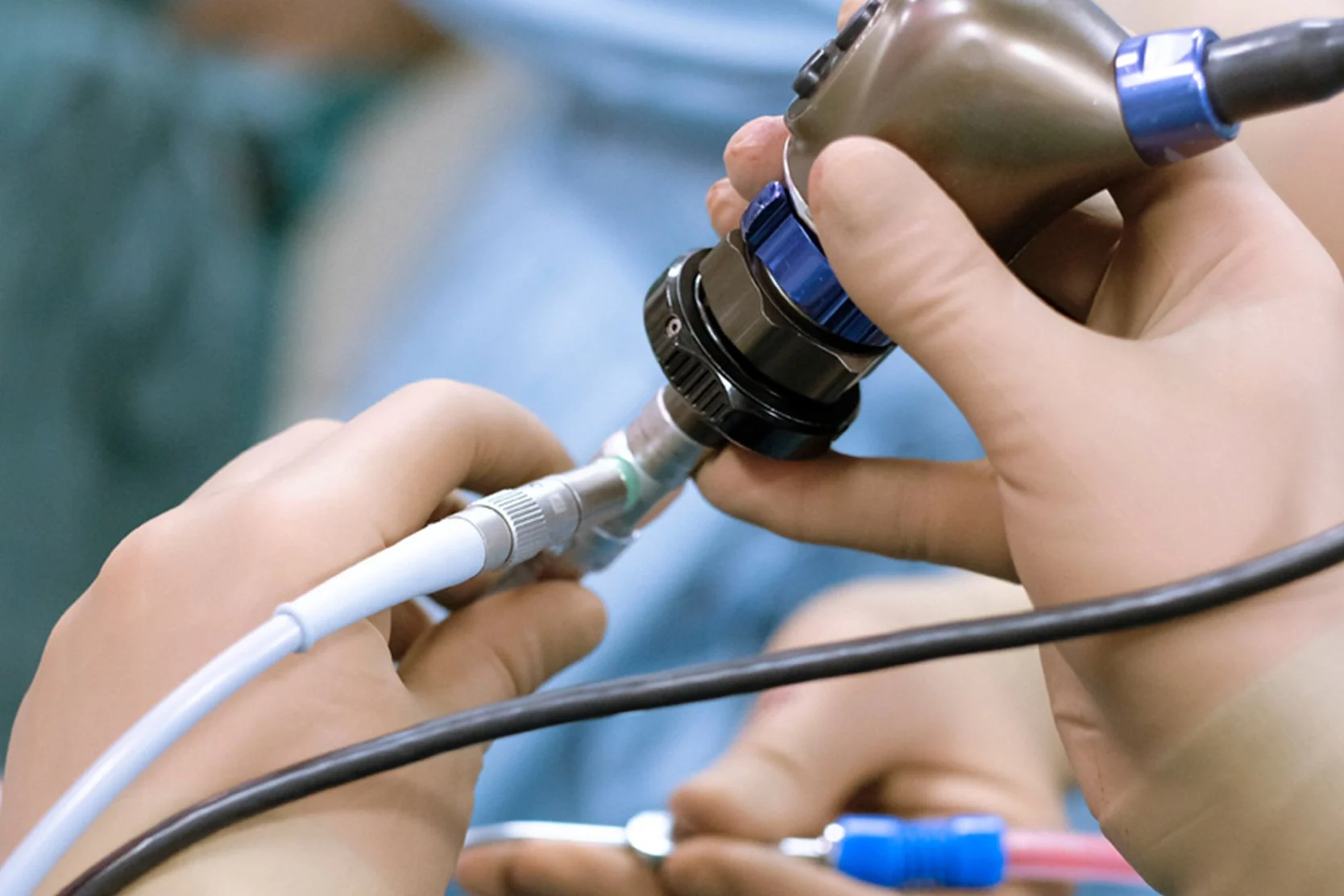
Advanced Endoscopic Procedures
In addition to standard endoscopic procedures, UCSF Medical Center's digestive disorder specialists also offer advanced endoscopic procedures.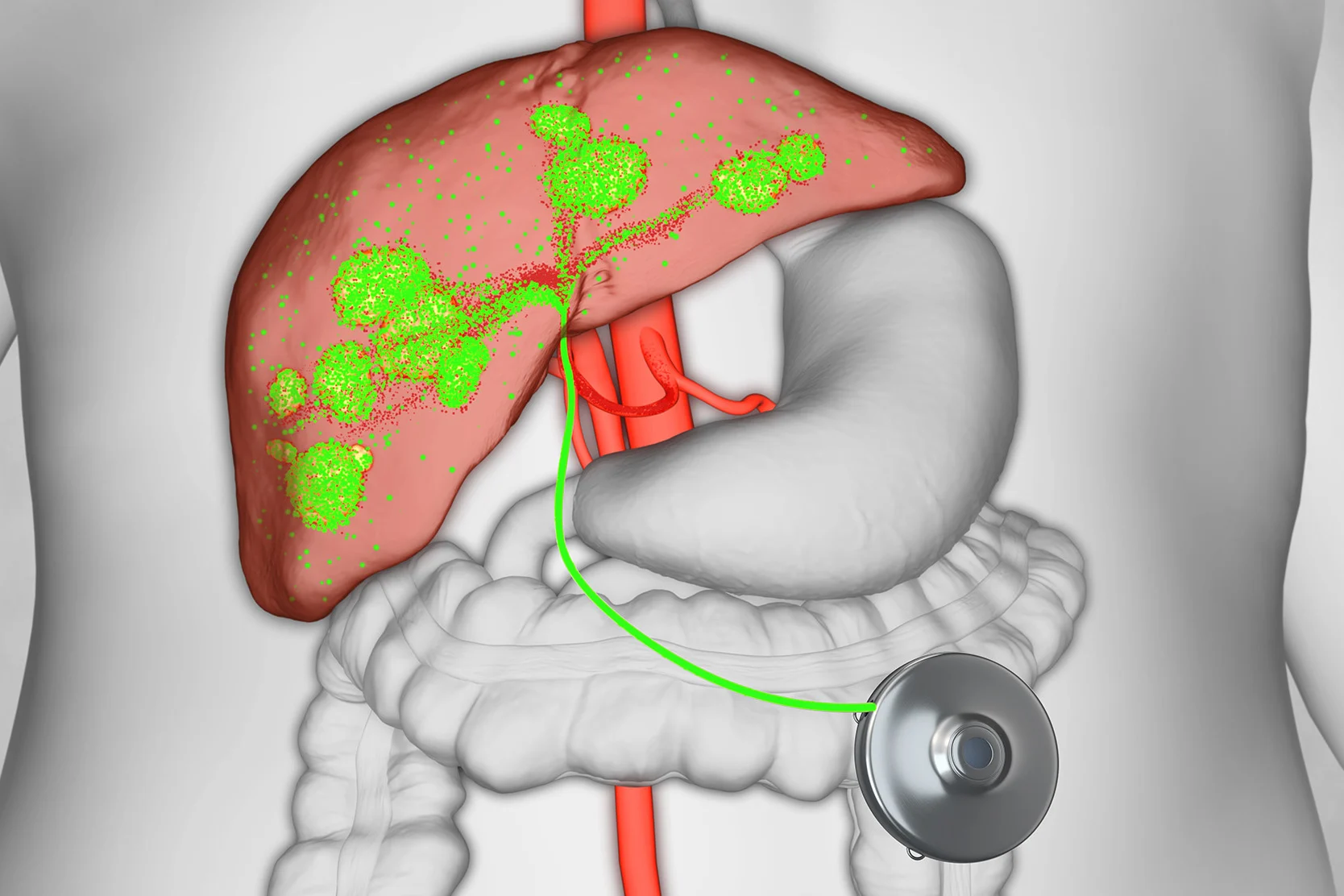
Hepatic Artery Infusion Pump
This implanted pump delivers chemotherapy directly to liver tumors, providing an effective treatment option for metastatic colon or bile duct cancer.
Awards & recognition
Best in California and No. 7 in the nation for cancer care
Best in Northern California for gastroenterology & GI surgery
Designated comprehensive cancer center

Related services & treatments
Specialties
- Hepatobiliary and Pancreatic Surgery
- Liver Transplant Surgery
- Hepatology
- Gastroenterology
- Medical Oncology
Treatments
- Hepatic Lobectomy
- Liver Transplant
- Anastomosis of Bile Duct
- Hepatic Artery Infusion Pump
- Cancer Chemotherapy
Support services
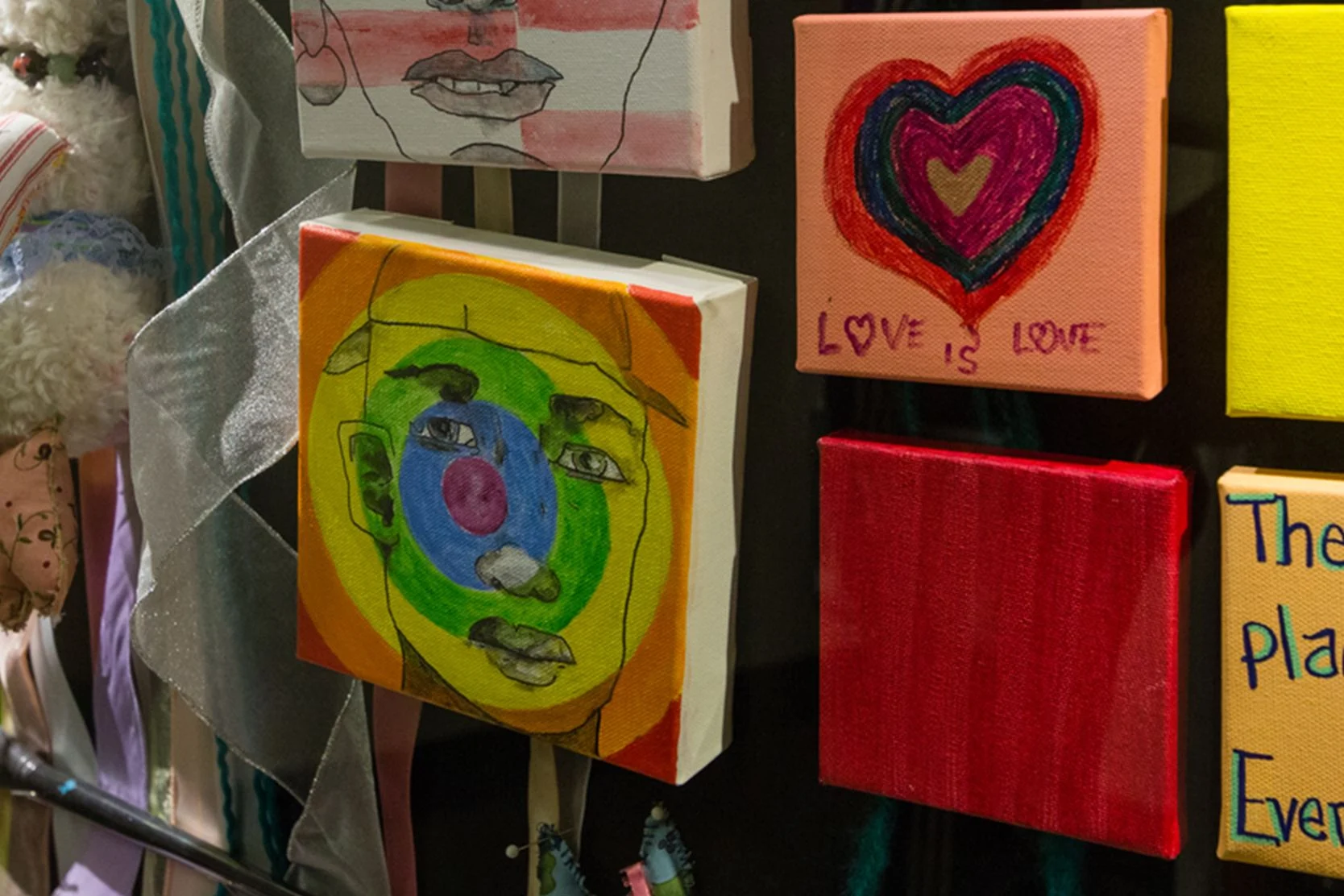
Art for Recovery
Creativity can help people with serious illnesses cope, heal and express what they're going through. Find out about our program and how to join.
Cancer Exercise Counseling
Our one-on-one exercise training sessions, customized for your needs and abilities, can complement other cancer treatments and speed your recovery.
Cancer Support Groups
These groups offered by the Ida and Joseph Friend Patient and Family Cancer Support Center are free and available to all patients, whether or not you get your health care at UCSF.
Core and More Class for Cancer Patients
A strong body helps you fight cancer and enjoy life. Join this class to stabilize your core, strengthen your muscles and improve overall fitness. For cancer patients and caregivers!
Friend to Friend Specialty Shops
A one-stop boutique for patients with cancer. Get professional help with wigs, prostheses, sun-protective clothing, makeup, skin care and more.
Meditation and Guided Imagery for Cancer Patients
Drop in for a free class designed to help you heal, relax and find balance during your treatment. UCSF and non-UCSF patients are welcome.
Oncology Social Work
Social workers offer support, problem-solving, help accessing UCSF cancer-related resources and more. Find out how to contact the social worker for your clinic.
Patient & Family Cancer Support Center
The center offers wellness programming, community, support groups, classes, workshops and more at no cost to people facing cancer and their loved ones.
Peer Support Programs for Cancer
PeerTalk connects interested cancer patients with cancer survivors who can share their own experience to provide emotional and practical support.
UCSF Health medical specialists have reviewed this information. It is for educational purposes only and is not intended to replace the advice of your doctor or other health care provider. We encourage you to discuss any questions or concerns you may have with your provider.