
Hypertrophic Cardiomyopathy
On this page
Overview
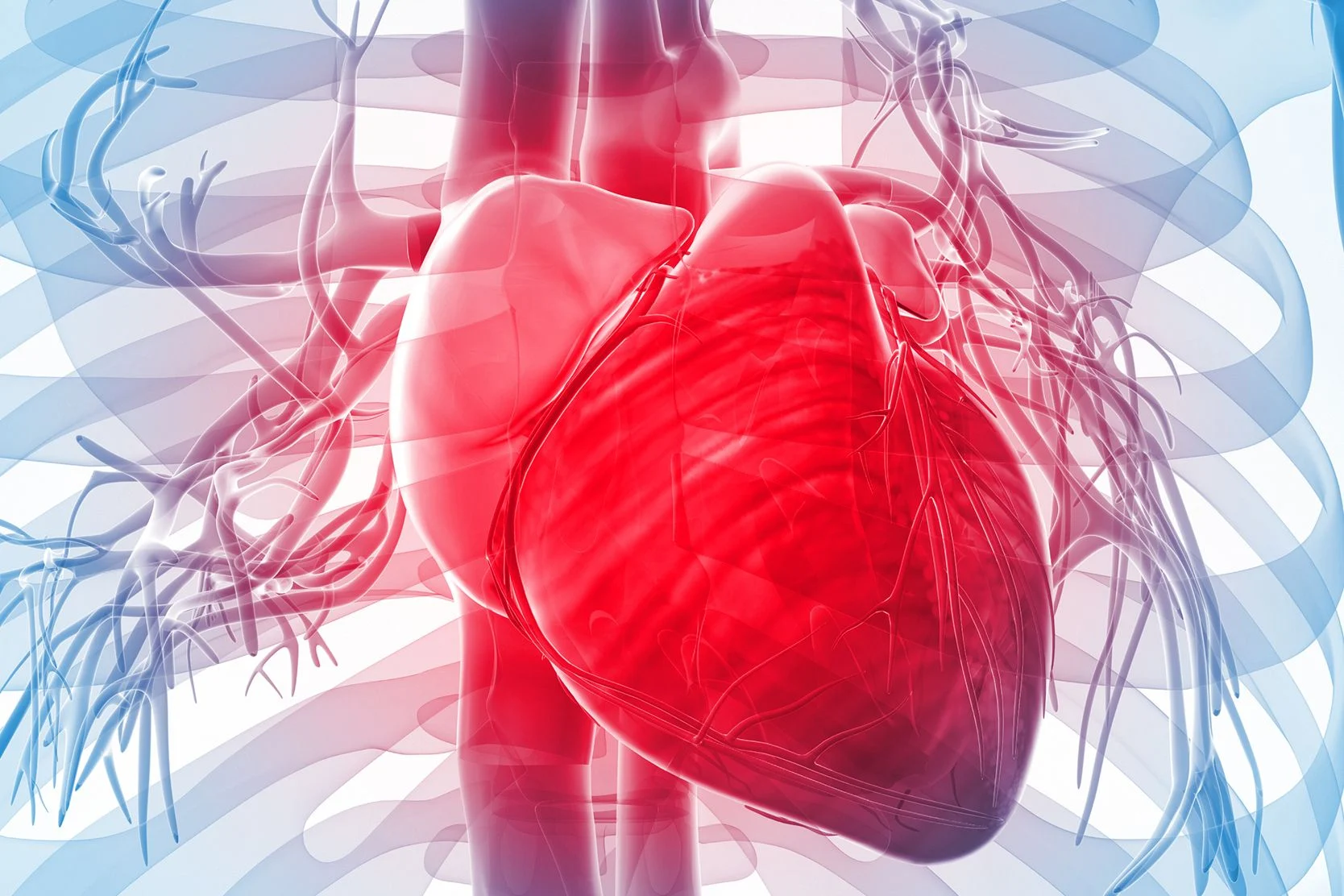
Hypertrophic cardiomyopathy (HCM) is an inherited disease of the heart muscle. HCM can cause the wall of the heart muscle to thicken. When the walls get too thick, the heart muscle functions inefficiently, causing some patients to have obstruction to blood flow from the heart. HCM is also associated with abnormal heart rhythms, which can sometimes be life threatening.
Our approach to hypertrophic cardiomyopathy
Over the past decades, UCSF has helped pioneer breakthroughs in the understanding and treatment of genetic heart disorders such as hypertrophic cardiomyopathy. Patients have access to world-class care at our cardiovascular genetics program – the first such program in Northern California and one of a select few across the country. Specialists in inherited heart conditions offer evaluations, genetic testing and counseling, customized treatment plans and help in addressing the complex psychological and familial issues that can accompany a genetic disorder such as HCM.
Treatment for HCM depends on the patient's symptoms, heart function and other factors, and may include medications or surgery. In cases where the disorder is causing irregular heartbeats, we may perform a catheter ablation, a procedure that destroys the portion of heart tissue responsible for the arrhythmia. Other options include surgically implanting a pacemaker or cardioverter defibrillator, devices that use electrical impulses to regulate the heart's rhythm. Our patients may also have access to the latest experimental treatments being evaluated in clinical trials.
Signs & symptoms
People with hypertrophic cardiomyopathy (HCM) can have the following symptoms
- Shortness of breath
- Chest pain or discomfort
- Fainting
- Palpitations or the sensation of feeling the heart beat
- Dizziness
A minority of people with HCM will suffer from the most serious complications, which include sudden death, heart failure and stroke. It is important to note that HCM has a wide range of severity. Some people may not experience symptoms and may have normal heart evaluations well into adulthood. Others may have serious complications at a young age, including heart failure or sudden cardiac death. It is difficult to predict whether an individual will have a mild form of HCM or a more severe form. HCM can be a major cause of death in young athletes who appear healthy but die during intense exercise.
Diagnosis
Diagnosis of hypertrophic cardiomyopathy (HCM) requires a thorough cardiology and genetics evaluation. A complete medical history including a family medical history will be taken. Then a physical examination will be done. This includes listening to the heart and lungs with a stethoscope to check for any abnormal heart sounds or murmurs. The pulse in both your arms and neck will be checked and the doctor may feel for an abnormal heart beat in the chest.
Additional tests to diagnose cardiomyopathy typically include echocardiography and electrocardiogram (ECG). Further testing may also be needed, including genetic testing, cardiac MRI, exercise stress testing, monitoring for abnormal heart rhythms and cardiac catheterization. In addition to making a precise diagnosis, these tests are invaluable in determining severity and guiding disease management.
The family connection
If a patient is diagnosed with hypertrophic cardiomyopathy (HCM), it is important that their immediate family members be screened for the condition as well, since HCM can run in families. They should be evaluated and then followed and re-checked every few years by a cardiologist.
HCM is caused by changes in genes that help build the muscle of the heart. Genetic testing can help determine if family members will develop HCM. Once genetic testing has identified the genetic mutation causing HCM in a family, other family members can be tested for that same genetic mutation to see if they also inherited it.
If genetic testing shows that they do carry the genetic mutation that causes HCM in the family then they are at increased risk for developing the symptoms and changes in the heart that are associated with HCM. This knowledge can help them make choices to preserve their health, such as avoiding strenuous exercise, which can make HCM worse, and seeking regular care with a cardiologist, who may prescribe specific medications or arrange for a pacemaker or defibrillator to be implanted.
If a relative of a person with a cardiomyopathy has genetic testing and is found not to carry the genetic mutation for HCM, then that relative need not be followed by a cardiologist. This can relieve a lot of stress and worry.
Treatments
Treating hypertrophic cardiomyopathy (HCM) depends on the presence and severity of a patient's symptoms, how a patient's heart is functioning, if a patient is suffering from abnormal heart rhythms and a patient's age and activity level. Treatment ranges from medications to surgery or ablation. Treatment of abnormal heart rhythms may include surgically implanting a pacemaker or an implantable cardioverter defibrillator into the patient. In rare cases of severe heart failure, a heart transplant may be needed.
Awards & recognition

One of the nation's best for heart & vascular care

Recommended reading

FAQ: Electrophysiology Study and Catheter Ablation
Explore commonly asked questions about electrophysiology study and catheter ablation, including how long the procedure takes and when you can return to work.
FAQ: Heart Transplant
Find answers to commonly asked questions about receiving a heart transplant, including waiting list times, surgery expectations and recovery.
FAQ: Implantable Cardioverter Defibrillators
Learn about implantable cardioverter defibrillators (ICDs) and get answers to questions about what it feels like and what to know about living with an ICD.
Diagnosing Heart Disease
Your care team may use several tests to diagnose heart disease. Learn about your testing options and what to expect.
Electrophysiology Procedure
An electrophysiology (EP) procedure assesses your heart’s electrical system or activity. Here’s what to expect before, during and after an EP study.
How the Heart Works
Your heart has four compartments, or chambers, that constantly pump blood to deliver oxygen and nutrients to the body. Learn more about how your heart works.
Preparing for an EP Study
Review this guide before an electrophysiology (EP) study or a catheter ablation to prepare for the procedure and make your visit as comfortable as possible.
More treatment info
Alcohol Septal Ablation
Alcohol septal ablation is a minimally invasive treatment for hypertrophic cardiomyopathy (HCM), an inherited disease in which parts of the heart muscle become abnormally thick.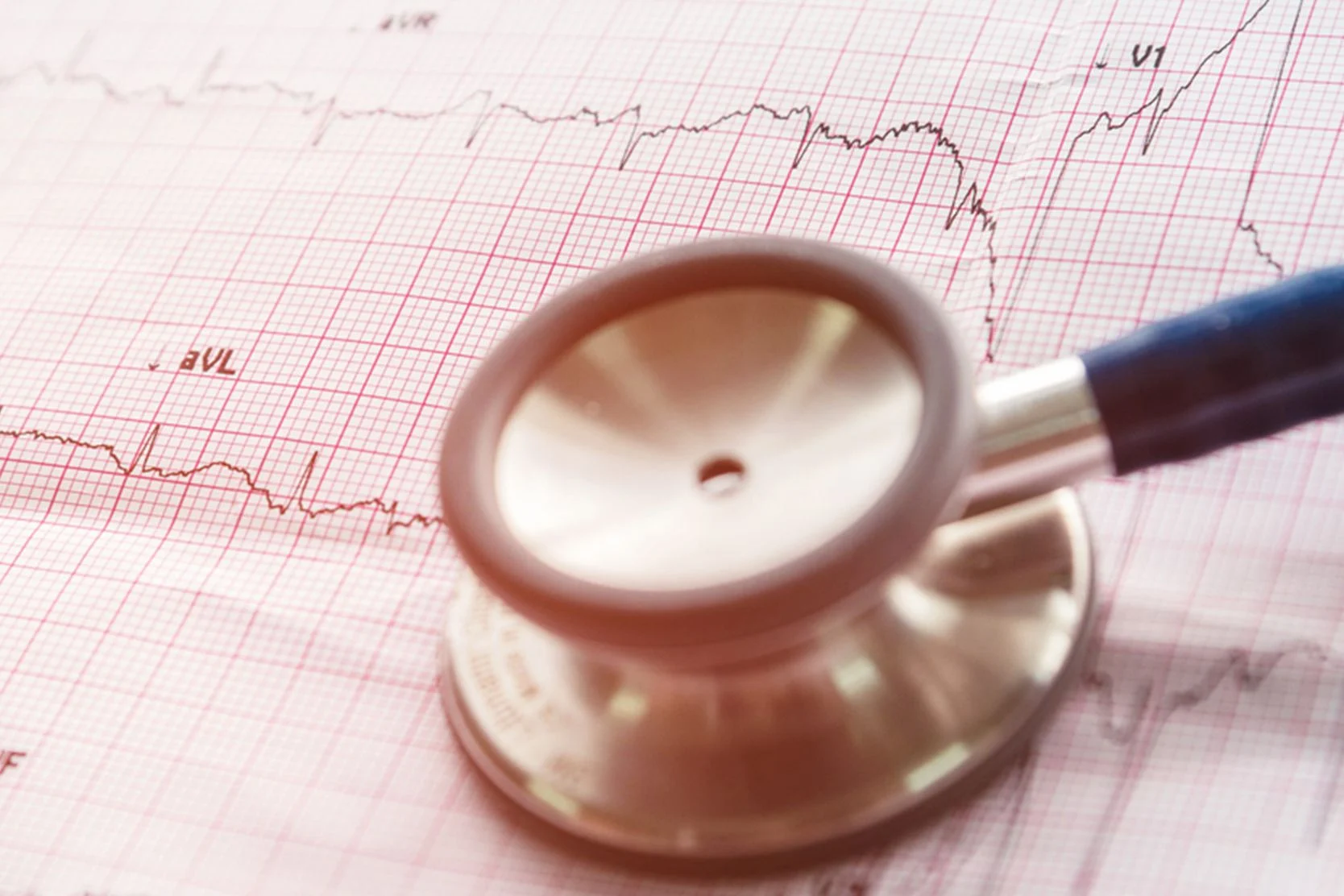
Catheter Ablation
Learn about how the catheter ablation procedure provides relief from arrhythmia, with most patients reporting improved health and no need for medication.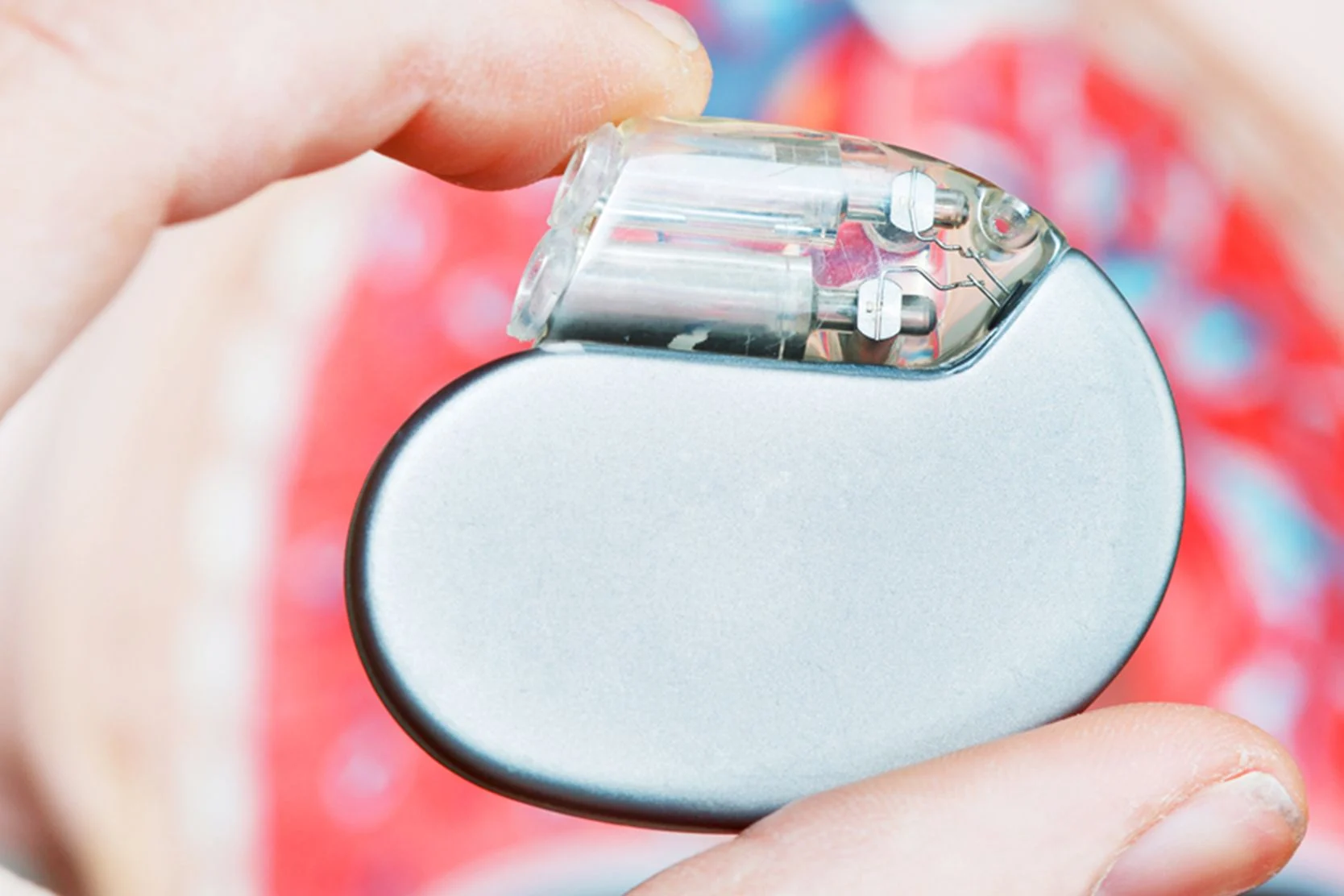
Implantable Cardioverter Defibrillator (ICD)
Learn how implantable cardioverter defibrillators (ICDs) use special pacing to help manage fast heartbeats and irregular heart rhythms.
Related services & treatments
Specialties
Treatments
- Septal Myectomy
- Intracardiac Catheter Ablation
- Cardiac Device Implant
- Pacemaker Placement
- Panel Genetic Testing
Support services

Case Management and Social Work
Connect with a team that can help you find resources, solve problems and advocate for you during treatment at UCSF.
Mindfulness-Based Stress Reduction Class
This eight-week class teaches mindfulness practices that can reduce stress and improve your overall health, such as meditation and body awareness.
Patient Relations
We welcome feedback about your experience at UCSF Health. Find out how to contact us with comments, questions or concerns.
Spiritual Care at UCSF
Chaplains representing many faiths are available around the clock to provide support, comfort and counsel to patients, families and caregivers.
UCSF Health medical specialists have reviewed this information. It is for educational purposes only and is not intended to replace the advice of your doctor or other health care provider. We encourage you to discuss any questions or concerns you may have with your provider.