
Lung Transplant
On this page
Lung transplant
Lung disease is characterized by trouble with the most basic body function: breathing. People with lung disease are likely to experience shortness of breath, chronic cough and exhaustion.
Lung transplantation is considered only for those with severe lung conditions, such as emphysema, cystic fibrosis, pulmonary fibrosis, sarcoidosis and pulmonary hypertension, and only after all other treatment options have failed. In some cases, heart birth defects cause advanced lung disease; these patients will need the defect repaired at the time of lung transplantation.
Eligibility
Patients need to meet a broad range of criteria to be eligible for lung transplantation. You must:
- Be physiologically 60 years of age or less for a double lung transplant and 65 years of age or less for a single lung transplant. This means that your physical condition must meet the typical condition of someone age 60 or younger (or 65 or younger for single lung transplantation). Your chronological age is not a factor.
- Have a poor prognosis, with a life expectancy of 18 to 24 months.
- Not have any other life-threatening systemic disease.
- Have demonstrated absolute compliance with taking your medications and following other medical recommendations, and have good rehabilitation potential.
- Demonstrate emotional stability and a realistic understanding of the implications of organ transplantation.
- Have a good social support system.
Evaluation
First, a social evaluation determines if you have the psychological stability, motivation and personal support to meet the challenges of transplantation. Next, you will meet with the team of experts who will be with you throughout the transplant process. This team includes a pulmonologist (lung specialist), surgeon, nurse coordinator, social worker, psychologist and physical therapist.
- The transplant pulmonologist performs a physical exam, reviews your current medications, assesses the risks and benefits of transplant surgery, and makes recommendations to the team.
- The transplant surgeon performs a general surgical evaluation, reviews any previous operations you've had and assesses the risks and benefits of surgery. In consultation with the other team members, the surgeon makes recommendations for transplantation.
- The thoracic surgeon who will perform the procedure performs a surgical consultation, discusses any abdominal or chest surgery you've had in the past, and goes over the plan for your surgery.
- The transplant nurse coordinator organizes all aspects of your care before and after transplant. The coordinator also provides patient education, coordinates testing and follow-up care, and maintains records.
- The insurance coordinator reviews your insurance to ensure you won't experience financial hardship due to the transplant or your care after surgery, and coordinates insurance coverage with outside case managers.
- The social worker performs the psychosocial evaluation and supports you and your family throughout the process. The social worker also advises the team regarding your psychosocial status, commitment to transplantation, and any financial issues. The social worker will meet with you to review the program in detail and can help with patient education after transplant.
- Long-standing lung disease can strain the heart, so you'll also need to be evaluated by a cardiologist. The cardiologist will examine you and review your medical history and results from an electrocardiogram and echocardiogram. You may need to have an additional test with a procedure called cardiac catheterization. This procedure will be scheduled by the Division of Cardiology and may require an overnight stay in the hospital.
- If you have cystic fibrosis, you'll also need to meet with an ear, nose and throat specialist. If you need minor sinus surgery, this will be arranged.
- If needed, you'll meet with other specialists who will evaluate you and make recommendations to the transplant team. These may include an anesthesiologist, psychologist, infectious disease specialist, hematologist, intervention counselor and physical therapist.
Transplant candidates undergo a battery of tests that may include routine blood work, an electrocardiogram and other procedures. Once all the interviews and tests are completed, the transplant team reviews all the information and makes a recommendation about how to treat your lung disease.
It's important to remember that transplantation is not an appropriate treatment for all patients with lung disease. If you aren't accepted initially as a lung transplant candidate, the reasons for the decision and other testing and treatment options will be discussed with you and your referring doctor.
Waiting for a lung
Your new lung or lungs will come from a deceased person who is an organ donor. After being approved for transplantation, patients are immediately put on the United Network for Organ Sharing (UNOS) waiting list. Your placement on the waiting list is determined by the severity of your condition and the likelihood that your transplant would be successful, known as your lung allocation score. Those with higher scores get higher priority when a compatible lung becomes available. Compatibility is based primarily on body size and blood type.
During the waiting period, UCSF Medical Center provides a network of support for patients and family members, including a long-running, popular support group.
Preparation
While awaiting transplant, you'll be seen on a regular basis to monitor your condition. Your lung disease may cause issues that must be addressed, including:
- Shortness of breath and increased need for oxygen
- Decreased activity level
- Wasting of your muscle groups including respiratory muscles, postural or trunk muscles, and arm and leg muscles
- Cardiovascular deconditioning
- Fear or anxiety due to breathlessness
It's important to be in the best physical shape possible at the time of your surgery, so evaluation in a pulmonary rehabilitation program is essential. You'll be introduced to the importance of exercise and activity before your transplant, including training your respiratory muscles and following a biking or walking program for general conditioning. You'll need to continue this program after your transplant.
We also require all patients to have an annual flu shot, a pneumonia vaccine, up-to-date tetanus shots (within the last 10 years) and an haemophilus influenzae type b (Hib) vaccine.
Procedure
Once a donor is available, a transplant team removes the donor's lungs and brings them to UCSF Medical Center. While this is happening, you'll be notified to come to the hospital. This call may come at any time.
When the call comes, you'll first go to the Intensive Critical Care (ICC) Unit to prepare for surgery. Next, you'll be transferred to the operating room. The surgery itself takes six to 10 hours, depending on the patient's medical conditions.
If you're having a single lung transplant, the incision will be made on either your left or right side, about six inches below your armpit. Your old lung will be removed through this opening and the new lung will be implanted. If you're receiving a double lung transplant, the incision will run across the lower part of your chest. The transplant lung or lungs will be connected to the pulmonary artery, pulmonary veins and a mainstem bronchus.
After surgery, you'll be taken back to the ICC Unit. From there, you'll be transferred to the cardiothoracic nursing unit, depending on your condition.
The typical hospital stay after an uncomplicated lung transplant is eight to 21 days. The incisions will be uncomfortable and take several weeks to heal.
After transplant, you'll follow a specialized rehabilitation program. The transplant team will follow you throughout this process and for the rest of your life. You'll be seen as needed in the outpatient clinic. A transplant expert is available 24 hours a day, seven days a week for questions or consultation.
Rejection and infection
Once your surgery is complete and the transplant is a technical success, the next stage is to live successfully with a transplant. This can become complicated. The two major issues are rejection and infection.
Rejection is the natural process of your body's immune system recognizing your new lung as foreign and attempting to destroy it to protect you. This is similar to the way your body identifies a splinter in your finger as a foreign object, causing redness and inflammation in the area. To prevent rejection, you must be treated with immunosuppressants, medications that interfere with the body's normal immune response.
We expect that you'll have episodes of rejection in the first several months after transplant. To treat this, you'll receive immunosuppressant medications intravenously. Each patient is different, so you'll need frequent blood tests to determine the appropriate dose for you. The goal is to find the lowest effective dose that will prevent rejection, while minimizing the risk of infection and side effects from the medications. If you don't take these medications, your body will reject your new lung.
Because your immune system is suppressed, you'll be more prone to infection. We will monitor your temperature and white blood cell count for signs of infection. Infections are generally treated with antibiotics, and you'll be asked to take certain medications on a regular basis to prevent specific types of infection. You may have to undergo intermittent short courses of intravenous antibiotics.
The signs of infection are redness, swelling and tenderness at a surgical site. A new lung infection may begin with a mild fever, new cough and change in lung secretions.
Getting a Lung Transplant at Age 19
Recommended reading
FAQ: Lung Transplant
Get answers to common questions about lung transplants. Understand how the transplant changes your life, waitlist times and what to expect following surgery.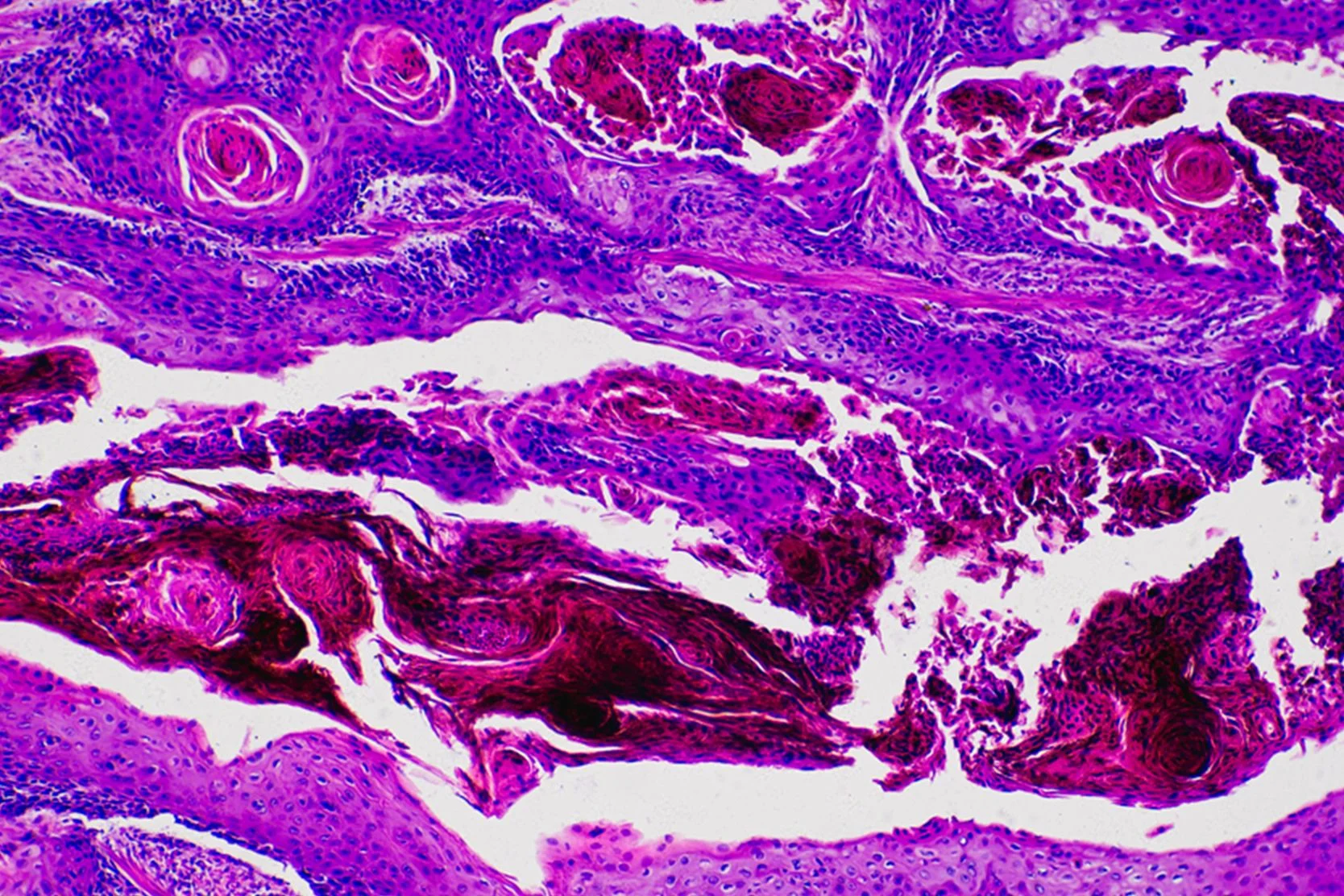
Organ Transplant and Skin Cancer Risk
Organ transplant recipients have a high risk of developing skin cancer. Learn about precautions to take and the importance of regular skin exams.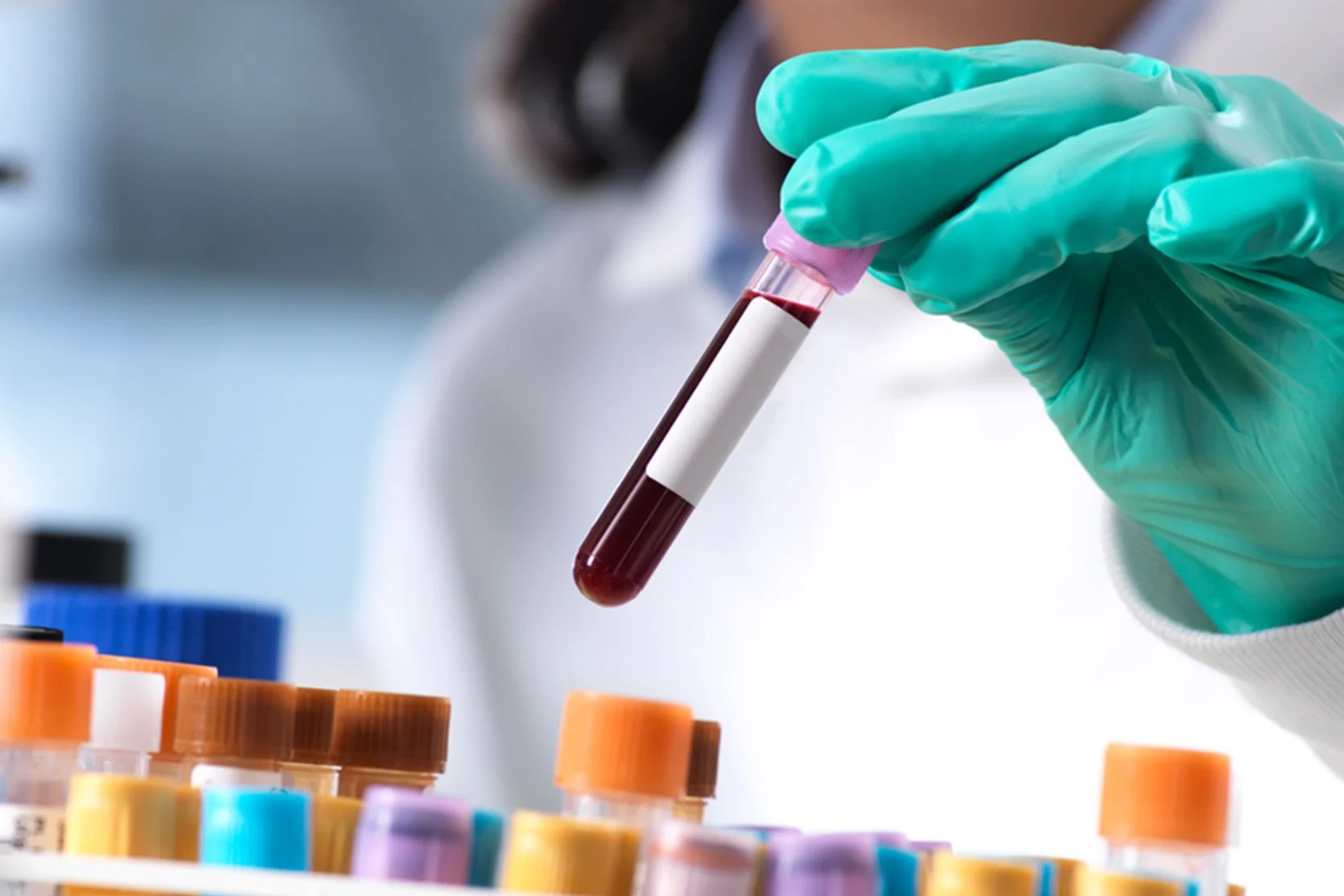
Tests for Lung Patients
If you’re a lung transplant candidate, your doctor may recommend several tests to assess your lungs. See a list of lung tests you may undergo.
Recommended resources
UCSF Health medical specialists have reviewed this information. It is for educational purposes only and is not intended to replace the advice of your doctor or other health care provider. We encourage you to discuss any questions or concerns you may have with your provider.