



























Parenting
Adjusting to caring for a new baby can be difficult. Babies take up the time you previously spent on other activities, including spending time with the special person in your life. Make a date to spend several hours together without the baby. This is a special way to show you still care about each other.
Having a new baby in the family can be quite an adjustment for siblings as well. Please see Siblings and a New Baby for information on how to ease the transition.
Development
Babies develop at their own rate. It is tempting to compare your baby with others, but each baby is different.
The first muscles babies can control are those in the neck and shoulders. Parents can help their babies develop these muscles by allowing them to spend some time on their tummies while awake. Your baby will begin to raise his or her head and look around. Put your face in front of your baby to give him or her something interesting to see.
Babies this age can see well for about two feet. They enjoy looking at bright, contrasting colors such as black and white. They also love to see faces. Babies' eyes normally cross for short amounts of time, but let your doctor know if one eye always seems to be crossed.
At 1 month of age, babies are beginning to smile and make sounds. Talk to your baby a lot. After speaking, wait a little while to give your baby time to try to copy you. If you make a funny face, your baby may copy that too.
Babies love to be held, and you cannot spoil babies at this age by holding them too much.
Remember, babies cry the most between 6 and 8 weeks of life. See Soothing Your Crying Infant for more information.
Feeding
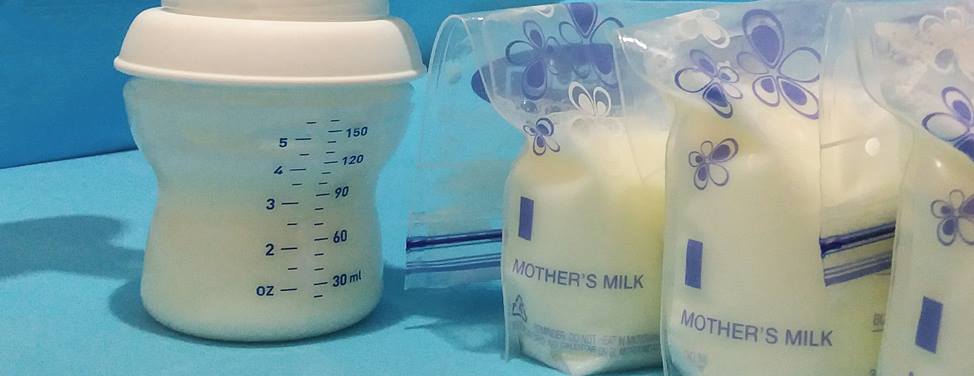
Feedings should be enjoyable for you and your baby. It is a time for your baby to enjoy looking at your face, listening to your voice and feeling secure in your arms. Your baby senses your emotions, so take a big breath, relax and enjoy this time together. Talk quietly to your baby or just smile at him or her.
During bottle feedings:
- Don't prop the bottle
- Don't force your baby to eat more than he or she wants
- Don't jiggle the bottle to try to get your baby to eat more
Note: Do not give honey to babies younger than 1 year of age. It can cause a serious infection, called botulism.
Most babies do not need extra feedings of water or juice since both formula and breast milk are 80 percent water. However, if the weather is extremely warm, you may want to offer your baby additional water.
At 6 weeks of age, many babies will have fewer bowel movements than before. Your baby may go three or four days without having a stool. As long as your baby is feeding normally, not throwing up and is behaving normally, you do not need to worry.
If you are breast-feeding and plan to return to work in the next couple of months, this is a good time to start preparing for the transition. Please see Breastfeeding and Returning to Work for tips to get you started.
Safety
A few extremely important safety tips:
- Always place your baby on his or her back to sleep.
- Always put your baby securely into a car seat when traveling by car or taxi. Parents, remember that you also need to buckle up and make sure that you never drink alcohol and drive.
- Do not leave your baby alone in a high place, such as a changing table.
- Do not drink hot liquids while holding your baby. He or she may reach out and knock the liquid out of your hand, burning both of you.
- Never shake your baby — it can cause serious injuries.
Health
To keep you and your little one healthy:
- Wash your hands before and after changing diapers.
- Don't allow anyone to smoke inside any part of your home. Secondhand smoke can increase your baby's chance of getting ear infections and asthma as well as dying of sudden infant death syndrome (SIDS), also called crib death.
- Walking is excellent exercise for new mothers, so take your baby for walks in a carrier or stroller.
- Protect your baby from sun exposure. Since you should not apply sunscreen to babies at this age, you can protect your baby's skin with a hat or blanket .
Your baby's next checkup will be at 2 months of age. At this visit your baby will receive several immunizations: Diphtheria, tetanus, whooping cough (DTaP), Hemophilus (HiB), polio (IPV), hepatitus B (Hep B), pneumococcal (Prevnar) and rotavirus. Your baby's doctor should give you information sheets about these vaccinations. Good information about vaccines is available on the American Academy of Pediatrics website and the Children's Hospital of Philadelphia Vaccine Education Center.
Used by permission of Jane E. Anderson, M.D.