









Stress-free visits
Accommodations. Admissions. Procedure prep. Get the info you need for smoother hospital stays.
Prepare for your child's stay




Here to serve you
Explore our network of care for kids, from the tiniest to teens and young adults.




World-class docs
We'll help you find the best provider for your child.




Stress-free visits
Accommodations. Admission. Discharge. Procedure prep. We've got you covered.




Extraordinary kid care
Our specialists handle conditions ranging from the common to the most rare.




Referrals made easy
Contacts and resources to get your patients to our pediatric specialists




Best in Northern CA
We're ranked #1 in pediatric cancer, heart surgery, cardiology & more.





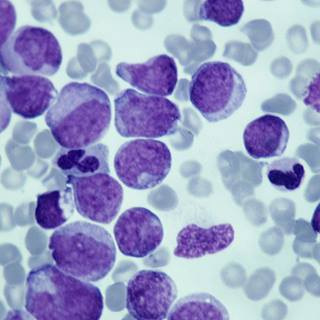
Leukemia, the most common form of childhood cancer, is cancer of the blood that develops in the bone marrow. It affects nearly 3,000 children annually in the United States, accounting for about 30 percent of cancer cases among children. Although leukemia can occur at any age, it is most commonly diagnosed in children between 2 and 6 years old. The disease occurs more frequently in males than in females, and is more common among Caucasians than those of other races.
The two primary types of childhood leukemia are acute lymphocytic leukemia (ALL) and acute myelogenous leukemia (AML). These two acute forms of leukemia can develop over a short period of days to weeks. A third chronic form, called chronic myelogenous leukemia (CML), is rare among children.
To request an appointment, give us a call.
Also called lymphoblastic or lymphoid leukemia, ALL accounts for about 75 to 80 percent of childhood leukemia cases. In this form of the disease, the lymphocyte cells, which normally fight infection, are affected. The bone marrow makes too many lymphocyte cells that do not mature correctly. The lymphocyte cells overproduce, crowding out other blood cells. Immature blood cells don't work properly to fight infection. Chromosome abnormalities, or extra chromosomes and structural changes in the chromosome material, are present in the majority of ALL patients.
Also called granulocytic, myelocytic, myeloblastic or myeloid leukemia, AML accounts for about 20 percent of childhood leukemias. In patients with AML, too many granulocytes – a type of white blood cell that normally fights infection – are produced in the marrow and they don't mature correctly. The immature blood cells don't work properly to fight infection. The excessive number of these abnormal cells crowd out other healthy blood cells. Children with certain genetic syndromes, including Fanconi anemia, Bloom syndrome, Kostmann syndrome and Down syndrome, have a higher risk of developing AML.
CML is the more slowly developing form of myelogenous leukemia and is rare among children. It may develop over a period of months or years. Children with CML have a chromosome rearrangement: Part of the ninth chromosome breaks off and attaches itself to chromosome number 22, creating an exchange of genetic material. This rearrangement changes the position and function of certain genes, causing uncontrolled cell growth. Other chromosome abnormalities also can occur.
Like all blood cells, leukemia cells travel throughout the body. Depending on the number of abnormal cells and where these cells collect, patients with leukemia may have a number of symptoms, including:
Children with leukemia often have fewer than normal healthy red blood cells and platelets. They lack enough red blood cells to carry oxygen through the body, which causes a condition called anemia. Children with anemia may look pale, feel weak and tired and bleed and bruise easily.
Although children with leukemia may have a high number of white blood cells, these white blood cells are immature and don't fight infection. Children may experience repetitive viral or bacterial infections. They often have symptoms of infection such as fever, runny nose and cough.
Pain in bones and joints is another common symptom of leukemia. This pain is usually a result of the bone marrow being overcrowded and "full."
Abdominal pain also may be a symptom. Leukemia cells can collect in the kidney, liver and spleen, enlarging these organs. Pain in the abdomen may cause a loss of appetite and weight.
Lymph nodes under the arms, in the groin, chest and neck may become swollen when leukemia cells collect in the nodes. Lymph nodes are small bean-shaped structures that filter the blood.
With T-cell acute lymphocytic leukemia, leukemia cells tend to clump together around the thymus gland. This mass of cells present in the middle of the chest can cause pain and difficulty breathing. Wheezing, coughing or painful breathing requires immediate medical attention.
A number of diagnostic procedures may be performed, including:
Blood tests are done frequently to monitor the possible side effects of chemotherapy and radiation therapy. Because the results can influence treatment decisions, these tests often are done before treatment.
If your child has a fever or other signs of infection, one or more samples of blood, urine or stool, throat secretion or pus may be taken to check for infection. To confirm an infection, any organisms contained in these samples are allowed to grow in a culture for several days. To get a head start at fighting the infection, however, antibiotics may be prescribed before your child's doctor has the final results of the culture.
Cells are removed from the spongy network of tissues inside the bones, called bone marrow, to check for signs of cancer. Depending on the diagnosis, this procedure may be done periodically throughout your child's treatment to determine if cancerous cells have spread to the bone marrow. Leukemia is the most common type of cancer found in the bone marrow. A bone marrow aspiration and biopsy usually takes 15 to 20 minutes to complete.
Understandably, bone marrow aspirations may be frightening to you and your child. But a local anesthetic is injected deep under the skin to numb the puncture site and takes effect quickly, helping to control the pain. Whenever possible, we give you the choice of having the procedure performed under general anesthesia.
A clear fluid called cerebrospinal fluid (CSF) surround the brain and spinal cord. Sometimes a sample of this fluid is removed and examined for cancer cells or signs of infection. Another name for a spinal tap is lumbar (lower spine) puncture or LP. This procedure takes about 15 minutes.
Evaluation and treatment of a child with cancer may involve specialized nuclear medicine scans of organs, tissues or bones to check for disease or infection. The three most common types of scans are bone scans, gallium scans and MIBG scans. MIBG stands for meta-iodobenzylguanidine. Both gallium and MIBG are radioactive substances that enable doctors to detect cancerous cells in the scans.
A nuclear medicine scan requires the injection of a small amount of a radioactive substance into the blood about two to three hours before a bone scan, 48 to 72 hours before the gallium scan and 24 hours before the MIBG scan. Registration and the injection of the radioactive substance should take no more than 15 minutes.
If your child does not have an external central catheter, remember to apply EMLA cream, a topical anesthetic, to the injection site one to two hours before the procedure. Ask your nurse to show you where and how to apply the cream.
CT scans use computers and X-rays to create pictures with more detail than conventional X-rays. X-rays are sent through the body in thin cross sections to create images. These scans often supplement other diagnostic X-rays.
MRI uses magnets, rather than X-rays, to produce detailed images of the body. An MRI machine sends radio waves into the body and then measures the response with a computer. The computer makes an image or picture of the body's internal organs. MRIs are used for certain types tumors in certain locations of the body because they can produce a better image than X-rays.
Because certain types of chemotherapy can affect heart muscle, tests may be done periodically to detect changes in your child's heart to help identify problems before they become serious. An echocardiogram is used to record the echoes of sounds sent through the heart. This test shows the size of the four heart chambers, as well as how the heart muscle functions. Your child may need to remove clothing above the waist for this test.
An ultrasound exam or sonogram uses high frequency sound waves to create images of organs in the body. No radiation is used. Sound waves bounce off tissue using the same principles as sonar. The echoes that return to a transducter are used to draw the images on the screen.
Your child may undergo the following four types of treatment:
Chemotherapy involves drugs to kill cancer cells. These drugs may be taken orally or may be injected into by a needle into a vein or muscle. This type of therapy is called a systemic treatment because the drug enters the bloodstream, travels through the body and can kill cancer cells throughout the body. For acute lymphocytic leukemia (ALL), chemotherapy drugs may be injected through the spine into the fluid that surrounds the brain and spinal cord. This is known as intrathecal chemotherapy.
Radiation therapy uses X-rays or other high-energy rays to kill cancer cells and shrink tumors. Radiation for acute lymphocytic leukemia (ALL) usually comes from a machine outside the body, called external beam radiation therapy.
The first step of bone marrow transplant (BMT) involves high doses of chemotherapy, sometimes with radiation, to destroy all of your child's bone marrow stem cells. Healthy marrow stem cells from a donor, whose tissue is the same or partially matched to your child, is transplanted into your child. The donor may be a sibling, parent or unrelated person. The healthy marrow taken from the donor is given to your child intravenously (through a needle in a vein) to replace the marrow that was destroyed. This process, involving marrow stem cells from a donor, is called an allogeneic bone marrow transplant.
Biological therapy attempts to stimulate or restore the ability of your child's immune system to fight cancer. It uses substances produced by your child's body, or made in a laboratory, to boost, direct or restore the natural defenses against disease. Biological therapy is sometimes called biological response modifier therapy or immunotherapy.
To learn more, please see leukemia treatment options.
UCSF Benioff Children's Hospitals medical specialists have reviewed this information. It is for educational purposes only and is not intended to replace the advice of your child's doctor or other health care provider. We encourage you to discuss any questions or concerns you may have with your child's provider.

Caloric Restriction and Activity to Reduce Chemoresistance in B-ALL
To compare the rate of MRD >=0.01% at end of induction between experimental arm and control arm
Recruiting
More about this study
Inotuzumab Ozogamicin and Post-Induction Chemotherapy in Treating Patients With High-Risk B-ALL...
Improvement in 5-year disease-free survival (DFS) with modified Berlin-Frankfurt-Münster (mBFM) chemotherapy without delayed intensification (DI) part 2 but with inotuzumab ozogamicin, versus full mBFM chemotherapy backbone includ...
Recruiting
More about this study
A Study to Investigate Blinatumomab in Combination With Chemotherapy in Patients With Newly Dia...
Will be assessed in SR-High patients and SR-Avg B-ALL patients who are negative for MRD by flow cytometry but have detectable or indeterminate MRD as measured by high throughput sequencing (HTS) at end of induction (EOI), and pati...
Recruiting
More about this study
A Study to Investigate Blinatumomab in Combination With Chemotherapy in Patients With Newly Dia...
Will be assessed in SR-High patients and SR-Avg B-ALL patients who are negative for MRD by flow cytometry but have detectable or indeterminate MRD as measured by high throughput sequencing (HTS) at end of induction (EOI), and pati...
Recruiting
More about this study
A Study to Learn More About the Health of Persons With Down Syndrome After Treatment for Acute ...
Summary statistics will be used to characterize the study populations on CHC outcomes. Quantitative data (number of comorbidities) will be summarized using descriptive statistics and correlational techniques. Will use pooled logis...
Recruiting
More about this study
A Study to Learn More About the Health of Persons With Down Syndrome After Treatment for Acute ...
Summary statistics will be used to characterize the study populations on CHC outcomes. Quantitative data (number of comorbidities) will be summarized using descriptive statistics and correlational techniques. Will use pooled logis...
Recruiting
More about this study
Studying the Effect of Levocarnitine in Protecting the Liver From Chemotherapy for Leukemia or ...
For patients assigned to arms A and B, the investigators will separately estimate the proportion of patients who experience conjugated hyperbilirubinemia > 3mg/dL during induction chemotherapy by arm along with corresponding 95% c...
Recruiting
More about this study
Studying the Effect of Levocarnitine in Protecting the Liver From Chemotherapy for Leukemia or ...
For patients assigned to arms A and B, the investigators will separately estimate the proportion of patients who experience conjugated hyperbilirubinemia > 3mg/dL during induction chemotherapy by arm along with corresponding 95% c...
Recruiting
More about this study
Mismatched Related Donor Versus Matched Unrelated Donor Stem Cell Transplantation for Children,...
We will estimate the cumulative incidence of severe GVHD at 1-year post-HCT and corresponding 95% confidence interval among enrolled and eligible patients randomly assigned to either HAPLO or MUD arms who actually undergo HCT.
Recruiting
More about this study
Best in Northern California for cancer care
Ranked among the nation's best in 10 specialties
Stress-free visits