










Saving future lives
500+ UCSF investigators are researching cures for hundreds of childhood and adult diseases.





Here to serve you
Explore our network of care for kids, from the tiniest to teens and young adults.




World-class docs
We'll help you find the best provider for your child.




Stress-free visits
Accommodations. Admission. Discharge. Procedure prep. We've got you covered.




Extraordinary kid care
Our specialists handle conditions ranging from the common to the most rare.




Referrals made easy
Contacts and resources to get your patients to our pediatric specialists




Best in Northern CA
We're ranked #1 in pediatric cancer, heart surgery, cardiology & more.





Myelodysplastic syndromes, also called pre-leukemia or "smoldering" leukemia, are diseases in which the bone marrow – the spongy tissue inside the large bones – does not function normally.
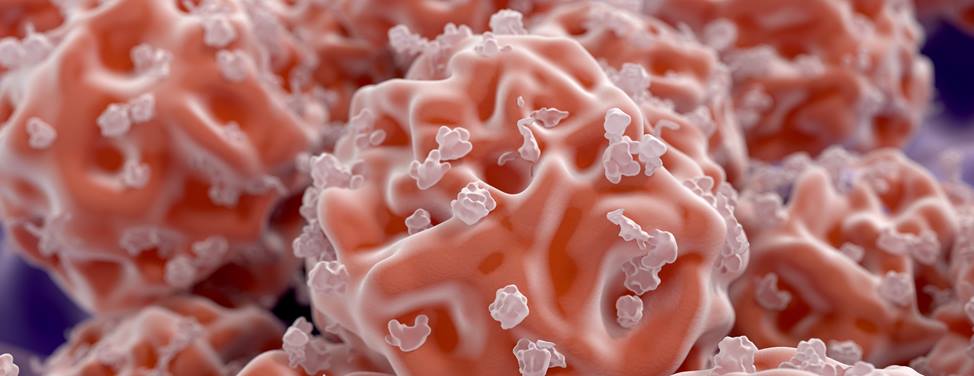
Normally bone marrow cells called "blasts" develop or mature into several different types of blood cells, including red blood cells that carry oxygen and other materials to all tissues of the body; white blood cells that fight infection; and platelets that make the blood clot. If cells in the bone marrow are injured or abnormal, they may behave abnormally. In myelodysplastic syndromes, the abnormality causes the bone marrow cells to develop into defective red cells, white cells and platelets. In acute myeloid leukemia, which is the more quickly advancing form of the disease, cells stop maturing altogether.
Myelodysplastic syndromes or acute myeloid leukemia may arise without any known cause or may be due to prior treatment with drugs or radiation for other diseases. Myelodysplastic syndromes occur most often in older people, but they also are found in children and young people.
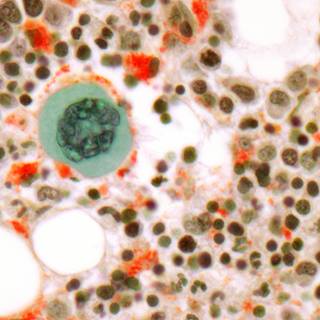
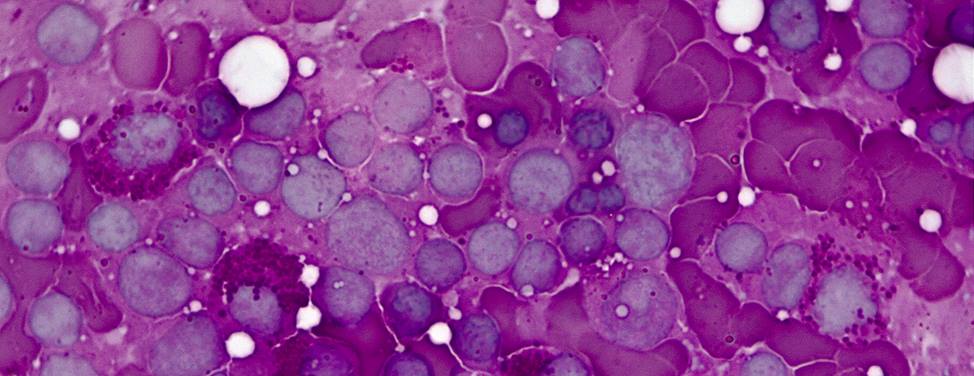
The name myelodysplastic syndromes is based on how the bone marrow cells and blood cells appear under a microscope. There are five types of myelodysplastic syndromes:
To request an appointment, give us a call.
The symptoms of myelodysplastic syndromes are caused by a shortage of cells ordinarily made by the bone marrow:
Often, myelodysplastic syndromes are diagnosed when children seem to be suffering from anemia.
If your child experiences any symptoms of myelodysplastic syndromes, his or her doctor may order blood tests to count the number of each type of blood cell. If the results of the blood test are abnormal, the doctor may order a bone marrow biopsy. During this test, a needle is inserted into a bone and a small amount of bone marrow is removed and examined under a microscope. The doctor then can determine the disease and plan the best treatment.
Treatment options for myelodysplastic syndromes include:
Often, the main treatment for myelodysplastic syndromes is a transfusion of red blood cells or platelets, administered intravenously by a needle into a vein, to control anemia or bleeding. Vitamins or other drugs also may be given to treat anemia.
Chemotherapy involves administering drugs to kill cancer cells. These drugs may be taken orally or may be injected by needle into a vein or muscle. This type of therapy is called a systemic treatment because the drug enters the bloodstream, travels through the body and can kill cancer cells throughout the body. For acute lymphocytic leukemia (ALL), chemotherapy drugs may be injected through the spine into the fluid that surrounds the brain and spinal cord. This is known as intrathecal chemotherapy.
Biological therapy attempts to stimulate or restore the ability of your child's immune system to fight cancer. It uses substances produced by your child's body or made in a laboratory to boost, direct or restore the natural defenses against disease. Biological therapy is sometimes called biological response modifier therapy or immunotherapy.
In a bone marrow transplant (BMT), your child is given high doses of chemotherapy, and sometimes radiation therapy, to destroy all bone marrow in the body. After the existing bone marrow is destroyed, healthy bone marrow from a donor is transplanted back into your child. Healthy marrow comes from a donor whose tissue is the same or almost the same as your child's. The donor may be a twin, who would be the best match; a brother, sister or other relative; or an unrelated person. The healthy marrow is given to your child intravenously through a needle in the vein. A transplant using marrow from a relative or unrelated person is called an allogeneic bone marrow transplant.
Another type of bone marrow transplant, called an autologous transplant, uses the child's own bone marrow. But that treatment has not been found effective in treating myelodysplastic syndromes.
UCSF Benioff Children's Hospitals medical specialists have reviewed this information. It is for educational purposes only and is not intended to replace the advice of your child's doctor or other health care provider. We encourage you to discuss any questions or concerns you may have with your child's provider.

Best in Northern California for cancer care
Ranked among the nation's best in 10 specialties
Saving future lives