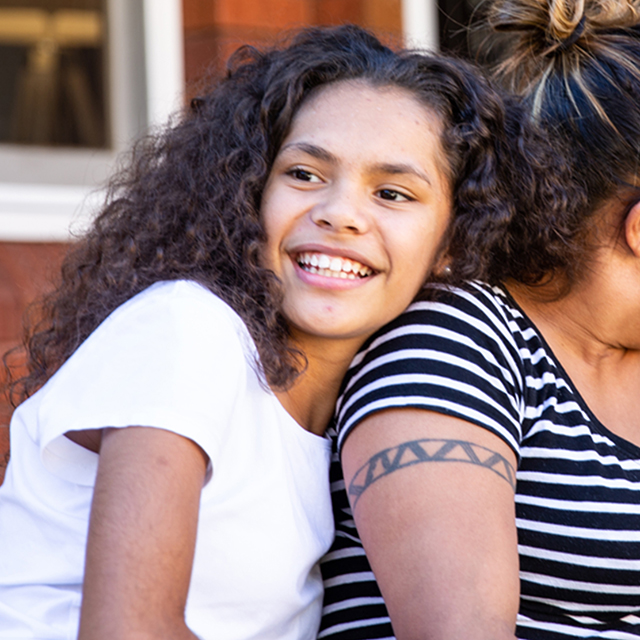
Feeling at home
From bedside bingo to therapy dogs, we're here to help kids smile and feel more like themselves.
Visit Child Life services




Here to serve you
Explore our network of care for kids, from the tiniest to teens and young adults.




World-class docs
We'll help you find the best provider for your child.




Stress-free visits
Accommodations. Admission. Discharge. Procedure prep. We've got you covered.




Extraordinary kid care
Our specialists handle conditions ranging from the common to the most rare.




Referrals made easy
Contacts and resources to get your patients to our pediatric specialists




Best in Northern CA
We're ranked #1 in pediatric cancer, heart surgery, cardiology & more.





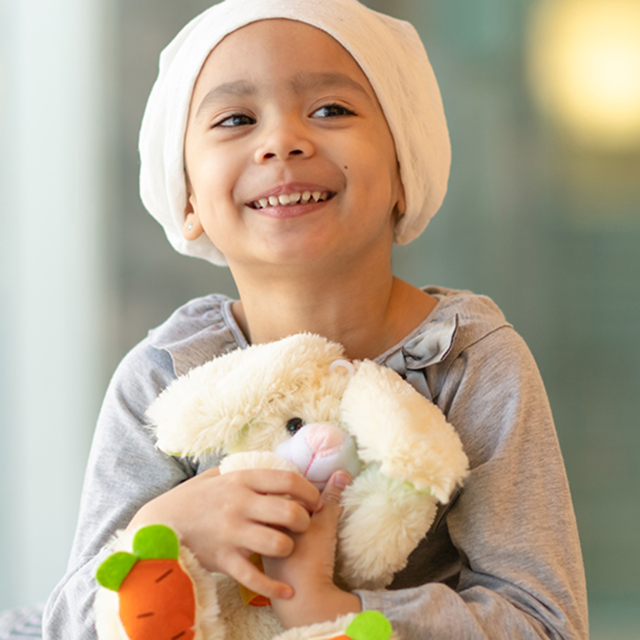
Cancer death rates for children have fallen sharply in the United States thanks to the remarkable advances in the treatment of leukemia and other cancers. The Children's Cancer and Blood Disease Program at UCSF Benioff Children's Hospital is an international leader in the treatment of cancer and blood diseases. Because childhood cancer differs from adult cancer in the way it emerges and develops, our programs are designed specifically for children. With this expertise, many childhood cancers are cured and the outlook is good for many of our young patients.
UCSF Benioff Children's Hospitals medical specialists have reviewed this information. It is for educational purposes only and is not intended to replace the advice of your child's doctor or other health care provider. We encourage you to discuss any questions or concerns you may have with your child's provider.
 3
3
Best in Northern California for cancer care
Ranked among the nation's best in 10 specialties
Feeling at home