





Translation, please
We have interpreters for Cantonese, Mandarin, Spanish, Russian, American Sign Language and more.
Request an interpreter




Here to serve you
Explore our network of care for kids, from the tiniest to teens and young adults.




World-class docs
We'll help you find the best provider for your child.




Stress-free visits
Accommodations. Admission. Discharge. Procedure prep. We've got you covered.




Extraordinary kid care
Our specialists handle conditions ranging from the common to the most rare.




Referrals made easy
Contacts and resources to get your patients to our pediatric specialists




Best in Northern CA
We're ranked #1 in pediatric cancer, heart surgery, cardiology & more.





Retinopathy of prematurity, or ROP, occurs when blood vessels in a baby's eye develop abnormally. ROP only affects premature babies, and the more premature the baby, the greater the risk of developing the condition. ROP is most common in babies born more than 12 weeks early.
ROP affects the retina, the tissue that lines the internal surface of the back of the eye and transmits visual information to the brain. In order to function properly, the retina requires a blood supply. While a baby is developing inside the womb, blood vessels grow that provide blood to the retina. This growth is usually completed a few weeks before birth. When a baby's born prematurely, the blood vessels of the retina haven't yet fully developed. As a result, the vessels may develop abnormally after birth.
In severe cases, bleeding and scar tissue may occur, ultimately resulting in damage to the retina. This can reduce a baby's vision, and in the worst cases, cause blindness.
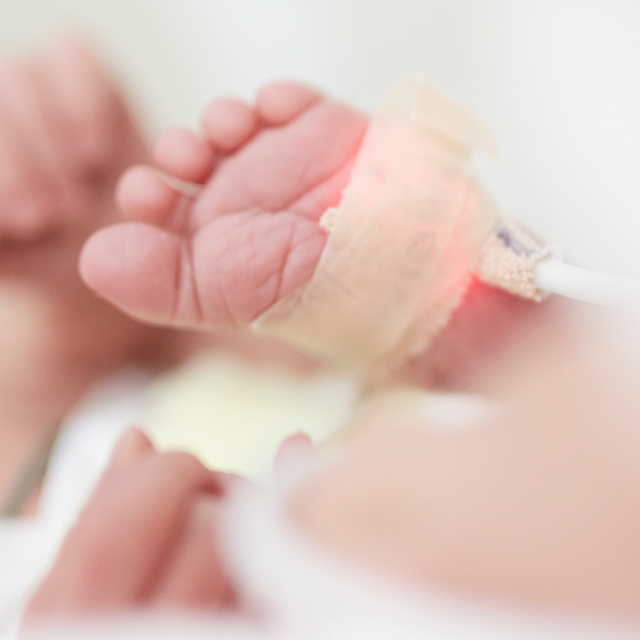
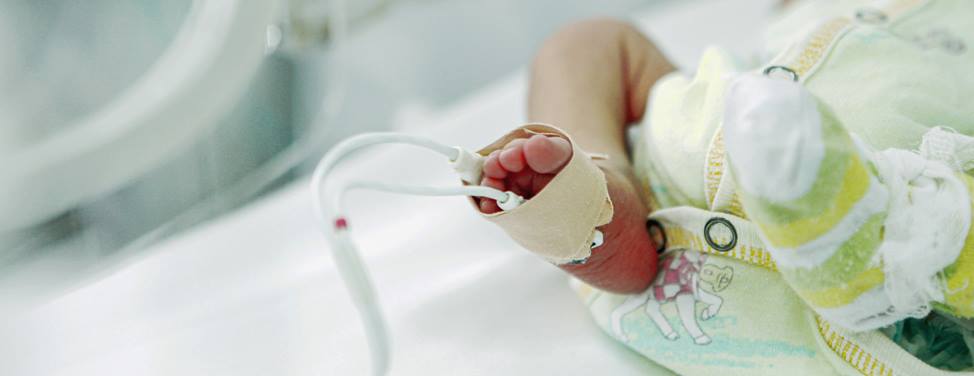
There's some evidence that abnormally high levels of oxygen in the blood may contribute to the development of ROP. Therefore, your baby will be closely monitored with blood tests and a pulse oximeter, a monitor placed on the skin that continuously checks the percentage of hemoglobin oxygen saturation in the blood, to avoid excessive levels of oxygen.
Subtle changes in a baby's retina aren't easily detected and can't be seen by parents or pediatric doctors and nurses. Only a pediatric ophthalmologist, a doctor who specializes in eye care, can detect signs of retinopathy of prematurity by using special instruments to examine the baby's retina.
Severe and untreated ROP may cause some of the following symptoms:
All premature babies who may be at risk for ROP are carefully monitored and examined for the condition beginning a few weeks after birth, before they're discharged from the hospital. The only way to determine if babies have ROP is to examine the inside of their eyes for abnormalities in the retina.
Ophthalmologists trained in the diagnosis and treatment of ROP will examine your baby's eyes. During this exam, your baby's pupils will be dilated with eye drops so the retina can be studied. If any signs of ROP are detected, follow-up evaluations will be recommended over the following weeks.
ROP is defined by different stages, based on the severity of the disease. In mild cases, the baby's retinal blood vessels may continue to grow normally, and treatment isn't required. In more severe cases, there are noticeable abnormalities in the development of the retinal blood vessels that, in the most severe cases, can lead to detachment of the retina and blindness. This occurs rarely and only in the most severely affected infants.
Treatment for ROP depends on the stage and severity of the condition. The milder stages of the disease typically resolve by themselves, and don't require treatment. However, if the disease has progressed to a point where your baby's vision is at risk, treatment is needed.
Our pediatric ophthalmologist will discuss your child's treatment options in detail with you. The goal of treatment is to reduce the risk of your baby's retina detaching, which can severely impact vision.
The most common treatment is laser photocoagulation, in which a laser is directed to a specific spot to destroy abnormal blood vessels and seal leaks. Laser photocoagulation involves little postoperative pain and swelling. Recent research indicates that early treatment of severe forms of ROP is effective in decreasing the amount of permanent eye damage.
UCSF Benioff Children's Hospitals medical specialists have reviewed this information. It is for educational purposes only and is not intended to replace the advice of your child's doctor or other health care provider. We encourage you to discuss any questions or concerns you may have with your child's provider.
Ranked among the nation's best in 10 specialties
Translation, please