
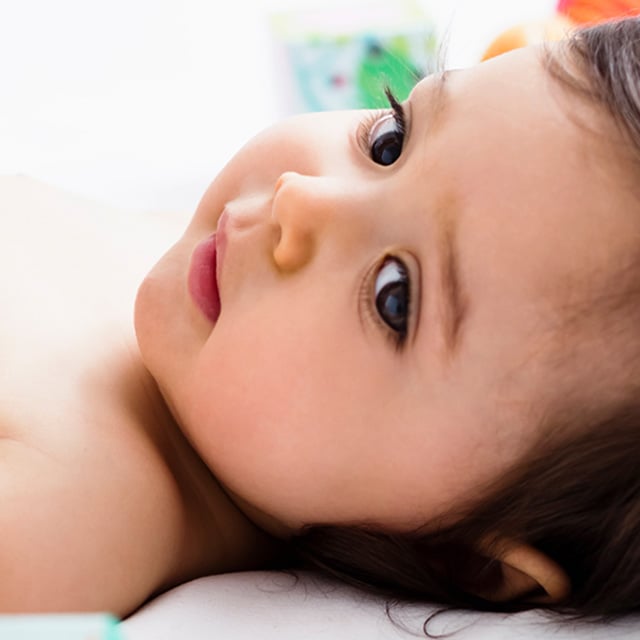

Learning never stops
Our classroom and bedside classes help kids get credit and keep learning during treatment.
See our school program




Here to serve you
Explore our network of care for kids, from the tiniest to teens and young adults.




World-class docs
We'll help you find the best provider for your child.




Stress-free visits
Accommodations. Admission. Discharge. Procedure prep. We've got you covered.




Extraordinary kid care
Our specialists handle conditions ranging from the common to the most rare.




Referrals made easy
Contacts and resources to get your patients to our pediatric specialists




Best in Northern CA
We're ranked #1 in pediatric cancer, heart surgery, cardiology & more.





Cardiomyopathy is a form of heart disease in which the heart is abnormally enlarged, thickened and/or stiffened.
This impairs the heart's ability to pump blood throughout the body effectively and can sometimes lead to heart failure, irregular heartbeats called arrhythmias, and blood clots. In children, cardiomyopathy is most common in infants under 1 year old.
There are two general types of cardiomyopathy: ischemic cardiomyopathy, which results from coronary artery disease, and nonischemic cardiomyopathy.
All cases of cardiomyopathy in children are considered nonischemic, of which there are four main types:
Although many factors are associated with cardiomyopathy, the exact cause of the disease remains unknown. Many cases are genetic in nature, where the condition is inherited, while others are acquired.
The most common cause of acquired cardiomyopathy is a viral infection called myocarditis, which weakens the heart muscle. Other causes include:
Symptoms of cardiomyopathy vary. This is further complicated by the fact that infants and young children are often unable to express how they feel. That said, there are a number of symptoms associated with the different forms of cardiomyopathy:
In some cases, cardiomyopathy is diagnosed when a heart murmur is detected at a routine doctor visit, although children with cardiomyopathy do not always have a heart murmur. Another way of diagnosing cardiomyopathy is through special genetic screening, which may be performed if a family member has the condition. Unfortunately, since cardiomyopathy is hard to detect, many children are not diagnosed until the disease has progressed to the point that they have signs of heart failure.
A number of tests may be used to aid the diagnosis of cardiomyopathy as well as to determine the type of the disease. These include:
Prognosis for a child diagnosed with cardiomyopathy depends on the type of cardiomyopathy they have as well as the stage of the disease.
Children diagnosed with cardiomyopathy often require aggressive treatment specific to the type of cardiomyopathy they have and the extent of the damage to their hearts. The goal of treatment is to control or prevent congestive heart failure, improve heart function and prevent complications, such as arrhythmias and blood clots.
Treatment options include:
At this time, there is no cure or treatment for cardiomyopathy that is able to restore the heart to normal. However, some symptoms and complications can be controlled with the treatments listed above. The prognosis for children with cardiomyopathy varies considerably depending on the type of the disease they have and the severity of their symptoms.
UCSF Benioff Children's Hospitals medical specialists have reviewed this information. It is for educational purposes only and is not intended to replace the advice of your child's doctor or other health care provider. We encourage you to discuss any questions or concerns you may have with your child's provider.
 20
20
Best in Northern California for cardiology & heart surgery
Ranked among the nation's best in 10 specialties
Learning never stops