


Smell the roses
Wander outside into our Butterfly Garden in Oakland and our healing gardens at Mission Bay.





Here to serve you
Explore our network of care for kids, from the tiniest to teens and young adults.




World-class docs
We'll help you find the best provider for your child.




Stress-free visits
Accommodations. Admission. Discharge. Procedure prep. We've got you covered.




Extraordinary kid care
Our specialists handle conditions ranging from the common to the most rare.




Referrals made easy
Contacts and resources to get your patients to our pediatric specialists




Best in Northern CA
We're ranked #1 in pediatric cancer, heart surgery, cardiology & more.





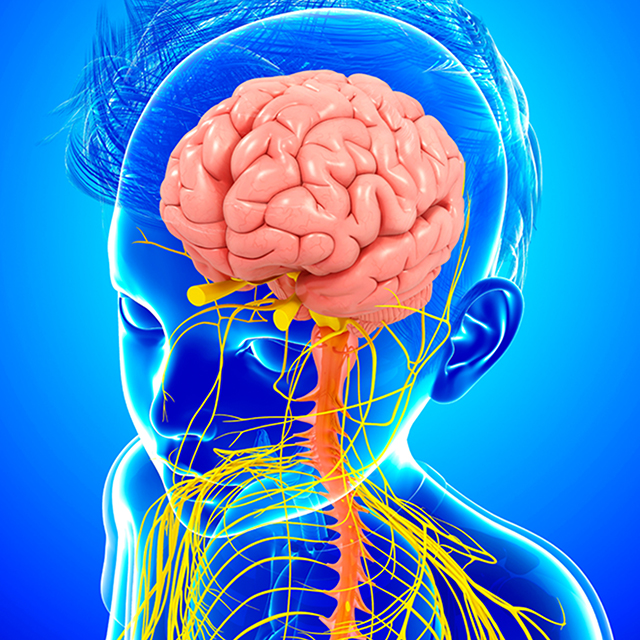
An arterial dissection is a tear in the lining of an artery. When a tear occurs in a major artery in the head and neck — the carotid or vertebral arteries — that transmit blood to the brain, this is called a cerebral arterial dissection. The flow of blood between the layers of the torn blood vessel may cause the artery to narrow and even close off entirely. If this occurs, it could cause a stroke.
During a stroke, a blood vessel in the brain becomes blocked or bursts. Although strokes are more common in adults, they also occur in children. Arterial dissection is a leading cause of stroke in young people.
There are several causes of dissections in children, including trauma to the neck or head or simply turning or bending one's head suddenly. Many dissections occur spontaneously for unknown reasons.
Spontaneous arterial dissections in children most commonly involve an artery inside the skull. Dissections caused by a significant trauma, on the other hand, typically occur in an artery in the neck.
A study conducted by experts at UCSF Benioff Children's Hospital found that boys experience spontaneous arterial dissections much more commonly than girls. Children who have an arterial dissection may suffer permanent or temporary neurological problems, affecting many aspects of development including movement, speech, behavior and learning.
In severe cases, arterial dissection can be fatal.
Arterial dissections are treated by the UCSF Pediatric Stroke and Cerebrovascular Disease Center, the only comprehensive cerebrovascular disease center for children in the country, staffed by the world's leading experts in pediatric stroke and cerebrovascular disease.
The hallmark signs of an arterial dissection in children are similar to symptoms of an ischemic stroke, particularly weakness on one side of the body.
Other symptoms of arterial dissection are:Adults with an arterial dissection typically experience headaches and head and neck pain, but those symptoms are less common in children.
The majority of children with an arterial dissection experience symptoms of ischemic strokes, so it's important that your child is evaluated for both a stroke and an underlying arterial dissection.
In the past, arterial dissections were considered rare in children, but that may be due in part to missed diagnosis. Advances in diagnostic imaging tools, such as magnetic resonance angiography (MRA), have greatly improved our ability to diagnose arterial dissections.
MRA is a magnetic resonance imaging (MRI) study of the blood vessels. Using a strong magnetic field, an MRI can generate a 3-dimensional image of the brain that can be used to detect, diagnose and aid the treatment of various conditions. A MRA provides detailed images of blood vessels. The procedure is painless and the magnetic field is not known to cause tissue damage.
Although arterial dissections often heal on their own, most children with dissections require treatment to prevent strokes while the dissection heals. The most common therapy for children is an anti-clotting medicine or blood thinner, such as coumadin or aspirin.
In rare cases, children may need stenting of the artery, or surgery to correct the underlying abnormalities that usually cause the dissection. A stent is a wire mesh tube placed in the artery to strengthen it or keep it open, allowing normal blood flow. The procedure to insert the stent is performed by an interventional radiologist.
UCSF Benioff Children's Hospitals medical specialists have reviewed this information. It is for educational purposes only and is not intended to replace the advice of your child's doctor or other health care provider. We encourage you to discuss any questions or concerns you may have with your child's provider.
One of the nation's best in neurology & neurosurgery

in NIH funding among U.S. neurology programs
Ranked among the nation's best in 10 specialties
Smell the roses