

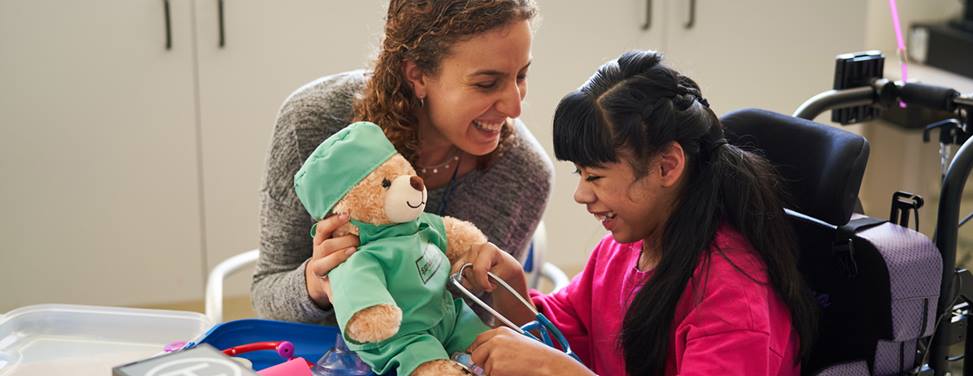




Feeling at home
From bedside bingo to therapy dogs, we're here to help kids smile and feel more like themselves.
Visit Child Life services




Here to serve you
Explore our network of care for kids, from the tiniest to teens and young adults.




World-class docs
We'll help you find the best provider for your child.




Stress-free visits
Accommodations. Admission. Discharge. Procedure prep. We've got you covered.




Extraordinary kid care
Our specialists handle conditions ranging from the common to the most rare.




Referrals made easy
Contacts and resources to get your patients to our pediatric specialists




Best in Northern CA
We're ranked #1 in pediatric cancer, heart surgery, cardiology & more.





Congenital hydrocephalus is caused by a brain malformation or birth defect that causes excessive cerebrospinal fluid (CSF) to accumulate in brain cavities, called subarachnoid space.
Cerebrospinal fluid is a clear, colorless liquid that surrounds the brain and spinal cord, protecting them from injury. It carries nutrients to the brain and spinal cord and takes away waste. In a healthy person, the amount of this fluid produced by the brain is absorbed by the body. In hydrocephalus, the fluid fails to drain and accumulates, leading to pressure on the brain.
A build-up of this fluid may result from:
Congential hydrocephalus — from the Greek word for water (hydro) and head (cephalus) — affects one out of every 1,000 newborns.
A less common type of hydrocephalus, called acquired hydrocephalus, occurs after birth, when a tumor, injury or disease blocks the absorption of cerebrospinal fluid.
The most common cause of congenital hydrocephalus is obstruction of the cerebral aqueduct — the long, narrow passageway between the third and fourth ventricle or cavity of the brain. This condition may result from a blockage, infection, hemorrhage, tumor or arachnoid cyst.
Other medical problems associated with congenital hydrocephalus may include:
Symptoms in infants may include:
With sophisticated imaging technologies, congenital hydrocephalus can be detected in a fetus as early as the third or fourth month of pregnancy. By the fifth or sixth month, abnormal dilation of brain cavities is more clearly detectable. Tests to identify the condition before your baby is born include:
Congenital hydrocephalus can be detected before birth, but it is more often diagnosed at birth or shortly after. To make a diagnosis, our experts thoroughly evaluate your child's physical condition.
Your child's evaluation may include imaging techniques such as ultrasound, computed tomography (CT) scans, magnetic resonance imaging (MRI) or pressure-monitoring techniques.
Congenital hydrocephalus generally isn't treated until after birth, even if diagnosed in the womb. The condition most often is treated by removing the cause of the condition, such as a tumor or other blockage, or inserting a shunt. A shunt is a small flexible plastic tube that diverts excess cerebrospinal fluid (CSF) from the brain to another part of the body where the fluid can be reabsorbed.
Some children can be treated with an alternative procedure called endoscopic third ventriculostomy (ETV). In this procedure, a small hole is made in the floor of the third ventricle of the brain, allowing the cerebrospinal fluid to bypass the obstruction and flow toward the area where it can be reabsorbed by the body.
Your child's medical team will design a treatment plan tailored to your child's specific needs and that may include more than one kind of treatment. You and your child may be referred to additional doctors or other medical professionals. Any possible risks or complications from your child's treatments will be explained to you in detail.
Hydrocephalus can pose risks to both mental and physical development. Many children diagnosed with the disorder benefit from rehabilitation and educational programs, and go on to lead normal lives.
Ask your doctors, nurses or therapists about the treatments your child will receive. If treatment includes medication, be sure your child takes it as instructed. And remember to bring your child to all follow-up appointments requested by our doctors or other medical staff.
UCSF Benioff Children's Hospitals medical specialists have reviewed this information. It is for educational purposes only and is not intended to replace the advice of your child's doctor or other health care provider. We encourage you to discuss any questions or concerns you may have with your child's provider.

This lifesaving device stops cerebral spinal fluid (CSF) from building up in the brain by diverting it to another part of the body, where it can be safely absorbed. Find out how it does its job – and how to make sure your child’s is working properly.
 9
9
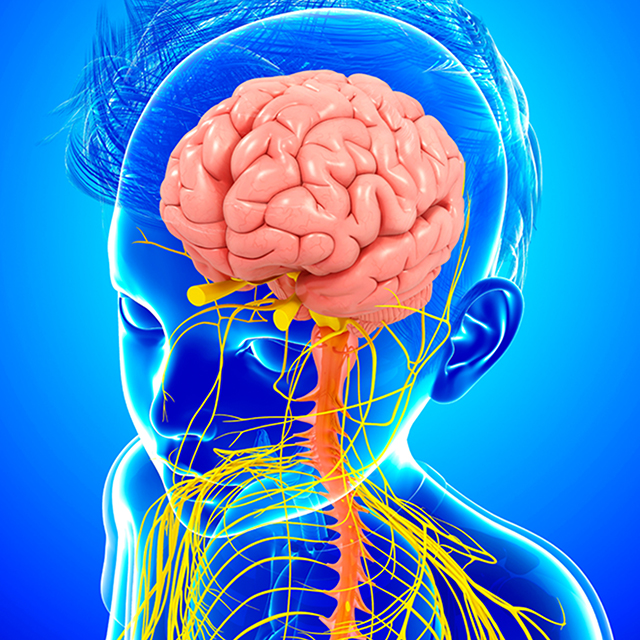

One of the nation's best in neurology & neurosurgery

Ranked among the nation's best in 10 specialties
Feeling at home