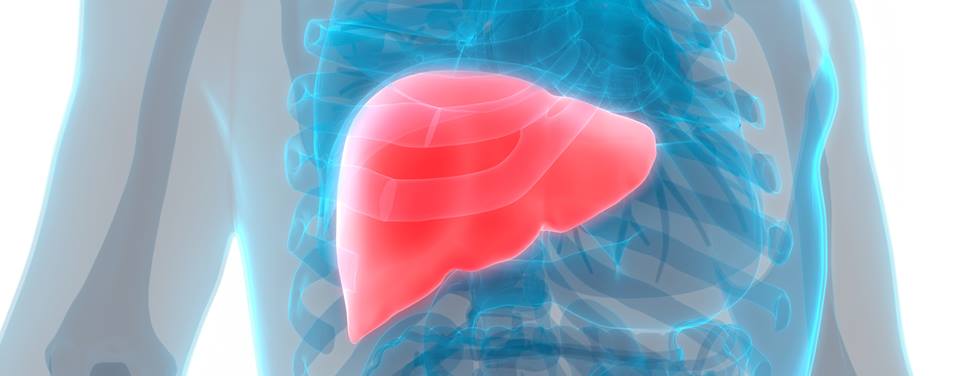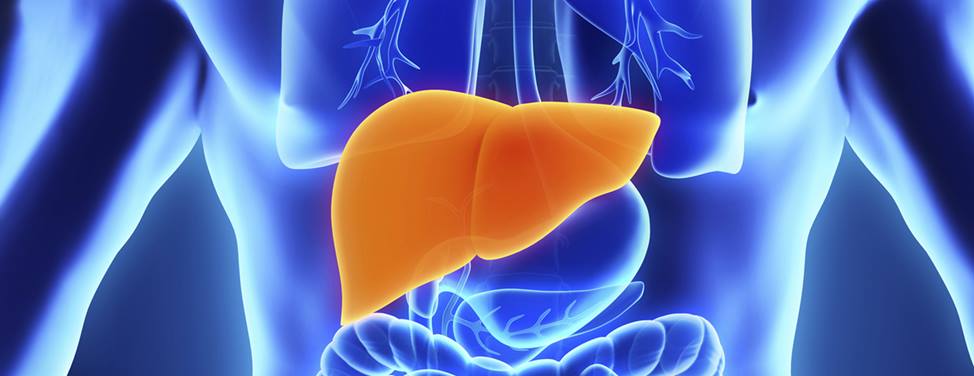


























In a living donor liver transplant, a piece of liver is removed from a living donor and transplanted into a recipient. The procedure is possible because of the liver's unique ability to regenerate itself. After a piece of the liver is removed, the part that remains quickly grows back to its original size. This technique means more people can donate and receive livers.
Surgeons at UCSF Medical Center and UCSF Benioff Children's Hospital have performed living donor liver transplants, using adult donors for children, since 1992.
Benefits of living donor transplants
At UCSF, the majority of organs for transplant are obtained from people who have died and whose families have given permission for their organs to be donated. But here, as throughout the country, there aren't enough livers for all the patients who need them. Nationally, there are more than 17,500 patients on the waiting list, with more added each day. Almost 5,000 patients receive transplanted livers every year, but more than 1,700 patients die each year while on the waiting list.
Living donors not only reduce the waiting time, but they improve the chance for transplant success. Patients who receive transplants from living donors can better prepare for surgery, knowing in advance when the transplant will take place. Also, the liver itself is "fresher" because the donor and recipient are in nearby operating rooms and it takes only minutes to transport the piece of donated liver.
An increasing number of the liver transplants we perform are with portions of livers donated by a living relative or friend.
Donor requirements
Potential donors must meet certain basic requirements to be considered. First, the donor must want to make this gift. During the evaluation process, we want to make sure donors are not being coerced. Donors don't have to be a relative of the recipient, as long as they are a good donor match in other respects such as blood type.
Donors can't be pregnant or overweight, although overweight candidates who lose weight may be considered.
Donors should be:
- 18 to 55 years of age
- In good health with no major medical or psychiatric illnesses
- Non-smokers for at least six weeks prior to surgery
- Able to understand and comply with instructions for surgery preparation and recovery
Donor evaluation
If live donation is feasible, a donor evaluation will be performed after the recipient's testing is completed. If, after testing the donor, the transplant team determines the donation can be performed, a surgery date is scheduled for both the donor and recipient. This process usually takes up to four to six months.
Once we've confirmed that the donor's blood type is compatible with the recipient, the donor will receive a detailed confidential questionnaire about family medical history, lifestyle and other information.
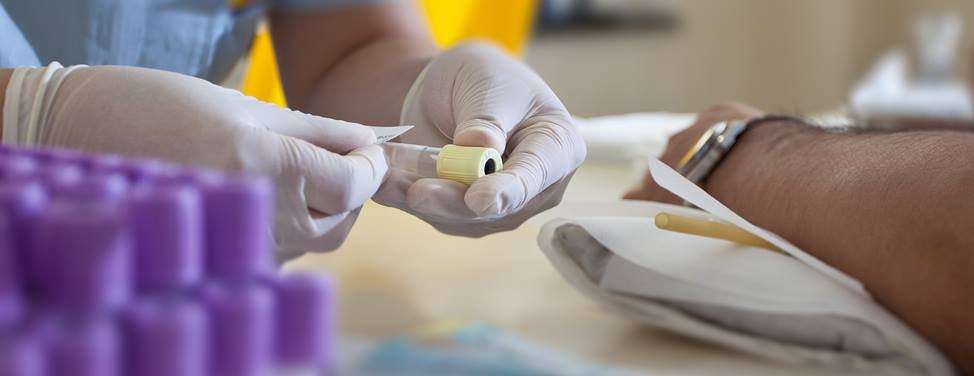
The evaluation includes a series of tests to check the donor's blood type and overall health, including:
A doctor who isn't a member of the transplant team will complete the donor's medical evaluation. This doctor will serve as the "donor advocate" throughout the surgery and recovery.
Procedure
Donors are asked to donate blood in case they need blood during or after the surgery. During the surgery, about 40 percent to 60 percent of the donor's liver is removed.
The liver is divided into a right lobe and a left lobe. This allows surgeons to divide the liver into two distinct parts that can function independently of each other. The right lobe comprises about 60 percent of the total liver volume and the left lobe comprises about 40 percent. When the recipient is a child, a piece of the donor's left lobe, called the left lateral segment, is removed.
The donor and recipient undergo surgery at the same time in separate operating rooms.
Recovery
After surgery, the average hospital stay for the donor is seven days. Donors are given pain medication after the surgery, initially through an intravenous tube, and later orally. Donors also receive a pain medication prescription before leaving the hospital. Most donors experience discomfort for two to four weeks after surgery.
The liver begins to regenerate almost immediately. Most of the regeneration occurs in the first two weeks after surgery, followed by a slower phase of growth over the next year.
Contact us
If you're interested in donating part of your liver to a friend or relative, please call the UCSF Liver Transplant Program at (415) 476-5892 for more information.
The process is confidential. There is no obligation to make the donation after making the call or starting an evaluation.