






Saving future lives
500+ UCSF investigators are researching cures for hundreds of childhood and adult diseases.





Here to serve you
Explore our network of care for kids, from the tiniest to teens and young adults.




World-class docs
We'll help you find the best provider for your child.




Stress-free visits
Accommodations. Admission. Discharge. Procedure prep. We've got you covered.




Extraordinary kid care
Our specialists handle conditions ranging from the common to the most rare.




Referrals made easy
Contacts and resources to get your patients to our pediatric specialists




Best in Northern CA
We're ranked #1 in pediatric cancer, heart surgery, cardiology & more.





Liver transplantation, first performed in 1963, provides an opportunity for a longer, more active life for people in the final stages of liver disease. Advances in surgical techniques and new medications that prevent the body from rejecting the transplanted organ have greatly improved success rates.
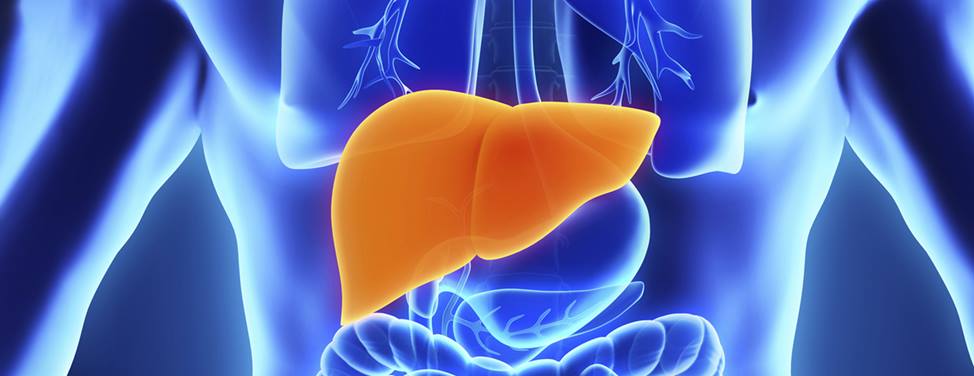
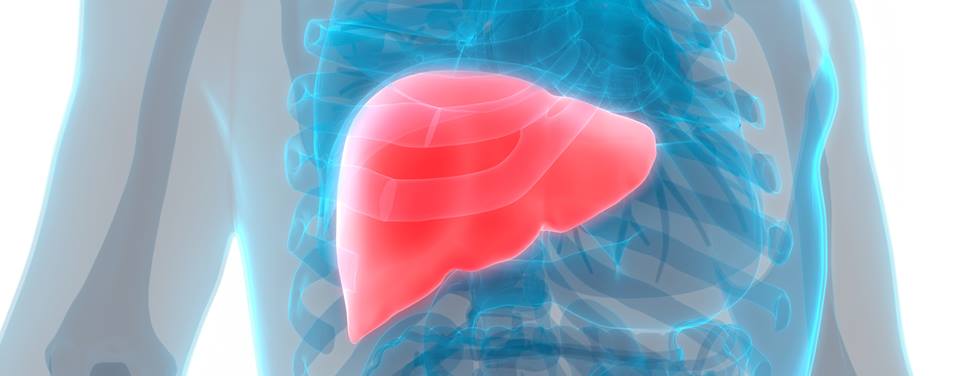
The largest organ in the body, the liver performs many complicated functions, including processing proteins, fats and carbohydrates and breaking down toxic substances such as drugs and alcohol. In addition, the liver makes the chemical components that help blood to clot. If the liver fails, the body loses the ability to clot blood as well as to process nutrients needed for life.
The liver also excretes a yellow digestive juice called bile, which may accumulate if the liver is not working properly. The eyes may become "jaundiced" or yellow, or the skin may itch from the accumulated bile. Some medications help treat the symptoms of liver failure, but there are no drugs that cure liver failure.
There are hundreds of liver illnesses that may result in end-stage liver disease, but biliary atresia, a birth defect in which the bile ducts fail to develop or develop abnormally, is the most common cause for children's liver transplants at our hospital.
If your child's liver begins to fail, he or she may be eligible for a liver transplant that could involve a relatively new procedure called a "living donor" transplant. In living donor liver transplantation, a piece of liver is removed from a living donor and transplanted into a recipient. Because the liver can regenerate itself, the piece of liver that remains in the donor quickly grows back to its original size. Transplant livers may also come from someone who has died, called a cadaveric donor.
In the future, alternative therapies such as artificial liver assist devices, cellular transplantation techniques and genetic modification of hepatocytes may become viable approaches to treating children with end-stage liver disease.
Most liver transplant patients at UCSF are referred to the program by primary care doctors or by a specialist. When a referral is made, a transplant program coordinator will call you to schedule an appointment, typically on a Tuesday.
A preliminary evaluation is the first step in helping you and the transplant team determine whether transplantation is an appropriate treatment for your child. It also enables the transplant team to assess the medical factors related to your child's liver failure. Not everyone who is evaluated for a liver transplant actually needs one. Your initial appointment will help determine your child's treatment options.
The preliminary evaluation will take a full day, from about 8 a.m. to 4 p.m., and can be very tiring. The following tips will help you prepare for this first appointment:
As part of the evaluation, a series of tests will be conducted, including:
A liver specialist, called a hepatologist, and a surgeon will also evaluate your child. The hepatologist will do a full exam, review your child's health history and discuss what it means to be on the transplant waiting list.
You can discuss your test results with the hepatologist and surgeon and both will answer any questions you have. Many parents find it helpful to write down their questions before the appointment.
You will also meet with a financial counselor to review your insurance information.
Once the evaluation is complete, the transplant team meets to discuss each case and to decide whether to add your child to the national waiting list for available livers. Once on the waiting list, you will be notified and your child will undergo further testing at your local doctor's office.
Parents with children on the cadaveric waiting list will receive instructions about getting a pager and informing the team about changing health conditions. Since a donor liver may become available at any time of the day or night, you must carry a pager with you at all times and keep it turned on when you're not at home. The wait for a new liver is generally two to three years.
When a donor becomes available, careful testing is performed to ensure that the organs are not damaged in any way. Then, they are matched to a transplant candidate of compatible size and blood type. In some cases, the team may conclude that the donor liver is not satisfactory. If this occurs, the transplant will be canceled. If a cancellation occurs, remember that it is in your child's best interest.
Before your child's operation, a social worker will talk to you to about his or her adjustment after the surgery. Individual counseling is also available during your hospital stay. If necessary, a social worker can arrange follow-up services and answer questions about disability.
Transplant livers may come from a cadaveric donor who has died, or from a living donor. A living donor is usually someone in the family or a close family friend. Living donor liver transplantation allows surgeons to perform the transplant without the sometimes-lengthy wait for a cadaveric liver. Both donor and recipient livers grow and regenerate after the transplant. During the transplant evaluation, we will discuss living donor transplants with you.
Donor safety is of primary concern throughout the process. Donors must be in good health, have a blood type that's compatible with the recipient and be motivated to donate by altruistic reasons. If live donation is suitable for your child, a donor evaluation will be started after all of your child's testing is complete. If the transplant team determines the donation would work, a surgery date is scheduled for both your child and your child's donor. This whole process usually takes up to six months.
Your child's surgery may take from four to 12 hours depending on his or her condition. During surgery, your child's old liver and gallbladder will be removed and replaced with the donor liver. Since a gallbladder is no longer needed, a new one will not be transplanted.
After surgery, your child will go directly to the intensive care unit (ICU), usually for one to two days. Immediately after surgery, a breathing tube will be inserted to help him or her breathe. In most cases the tube can be removed within 24 hours after surgery. Many monitoring lines will be attached; these, too, will be removed as your child becomes more stable. When your child is ready to leave the ICU, he or she will be cared for on either the sixth or seventh floor of the hospital.
Everyone recuperates from liver transplantation differently. Depending on your child's condition, he or she will be hospitalized for two to eight weeks following the transplant. Most children stay within the San Francisco Bay Area for two to six weeks after the transplant and then are referred back to their primary care doctor and referring physician. Our social workers will assist you with temporary housing.
Once your child has returned home, we work with your primary doctors to ensure that your child receives optimum care, both for the liver transplant as well as issues related to normal growth and development.
Laboratory blood tests are obtained twice a week following transplantation; the frequency of blood tests is gradually reduced over time. You will be asked to call in test results to the transplant office. You will then be notified about any adjustments in your child's medications.
Complications can occur with any kind of surgery, and patients undergoing organ transplants may face additional complications. The life-threatening disease that created the need for your child's transplant may affect the functioning of other body systems. Other problems, such as rejection of the new liver, may also occur.
Some possible transplant complications and medication side effects include:
These drugs decrease your child's resistance to foreign bodies, such as the new liver. Your child will need to take these medications for the rest of his or her life or the liver will be rejected. Immediately after surgery, the dosages will be high since the probability of rejection is greatest at this time. Dosages will be lowered quickly to smaller amounts if there are no signs of rejection.
The medications have side effects, which are usually dose-related. Most people experience the most side effects in the beginning when medication dosages are high. As the dosage is lowered, these effects will probably lessen. Side effects may occur in some patients and not in others.
The medications your child will take for rejection also impair his or her ability to fight off infections. Your child will be given medication to help prevent infections but you also will need to use caution and avoid contact with people with infections, especially during the first three to six months after transplant.
UCSF Benioff Children's Hospitals medical specialists have reviewed this information. It is for educational purposes only and is not intended to replace the advice of your child's doctor or other health care provider. We encourage you to discuss any questions or concerns you may have with your child's provider.

Sponsor-Initiated OCS Liver Perfusion (OLP-II) Registry
1-year patient survival with the originally transplanted liver (patient and graft survival) post-liver transplant.
Recruiting
More about this study
HEalth Advocate for Liver Transplant - Pilot
The investigators will administer a survey of caregiver experiences at study enrollment and at the end of the intervention to assess for changes in caregiver experience with the transplant team. These questions will focus on exper...
Recruiting
More about this study
Social & Contextual Impact on Children Undergoing Liver Transplantation
Recruiting
More about this study
Ranked among the nation's best in 10 specialties
Saving future lives