


Staff superheroes
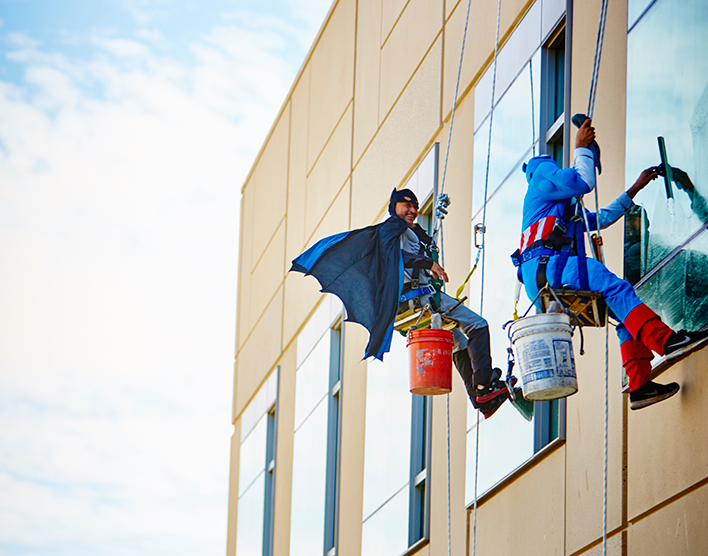
It’s a bird. It’s a plane. It’s a window washer! Dressed as a superhero to clean and brighten your day.




Here to serve you
Explore our network of care for kids, from the tiniest to teens and young adults.




World-class docs
We'll help you find the best provider for your child.




Stress-free visits
Accommodations. Admission. Discharge. Procedure prep. We've got you covered.



Extraordinary kid care
Our specialists handle conditions ranging from the common to the most rare.




Referrals made easy
Contacts and resources to get your patients to our pediatric specialists




Best in Northern CA
We're ranked #1 in pediatric cancer, heart surgery, cardiology & more.





Ectodermal dysplasias (ED) are a group of disorders in which two or more of the ectodermally derived structures — the skin, sweat glands, hair, nails, teeth and mucous membranes — develop abnormally. Each person with an ectodermal dysplasia may have a different combination of defects. For example, in one person the hair and nails may be affected, while in another the sweat glands and teeth are affected. Each combination is considered a distinct type of ED. The condition is present from birth but may not be detected until later in childhood.
ED is caused by altered genes. It can be inherited within families who have the genetic defect, or it can occur in families without a history of the condition.
ED cannot be cured, but the symptoms can be treated or managed.
There are many types of ectodermal dysplasia (ED), but all of them affect at least two of the ectodermal structures — the skin, hair, nails, teeth, mucous membranes and sweat glands.
Signs of ED may include:
Ectodermal dysplasia is diagnosed by physical examination. Some children are diagnosed at birth, but milder forms of the disorder may go undetected until symptoms begin to affect the child's daily life or development.
A genetic evaluation helps determine if the condition is isolated or is part of another syndrome or condition. There are more than 150 medically distinct, inherited syndromes in which ED is present, which affect the skin, sweat glands, hair, nails and teeth in different ways. The most common form of ED is called X-linked ectodermal dysplasia. Boys with X-linked ED usually have several missing teeth and conical-shaped front teeth. Girls with X-linked ED have milder and more variable symptoms, but they may also have missing and abnormally-shaped teeth.
Because there are so many different forms of this disorder, a special ectodermal dysplasia clinic is held at UCSF's Center for Craniofacial Anomalies several times a year. This clinic includes our regular team of specialists plus a dermatologist and a prosthodontist.
This group of experts considers the special needs of each patient as they develop a treatment plan. Treatment may include dentures or implants, special treatment for hair, nails and skin, or lifestyle adjustments to maximize comfort and health.
A child with ectodermal dysplasia may encounter social and emotional challenges unique to this condition. Support organizations and resources are available for children and their families.
UCSF Benioff Children's Hospitals medical specialists have reviewed this information. It is for educational purposes only and is not intended to replace the advice of your child's doctor or other health care provider. We encourage you to discuss any questions or concerns you may have with your child's provider.
Ranked among the nation's best in 10 specialties
Staff superheroes