



























- What is pyeloplasty?
- Why does my child need a pyeloplasty?
- Are any artificial parts used in the surgery?
- Where is the incision?
- Are any tubes left in place after the surgery?
- How long will the surgery take?
- Can I stay with my child in the hospital?
- Will my child be given pain medication?
- Will my child have problems urinating after surgery?
- What kind of side effects do the medications have?
- What is the follow-up after surgery?
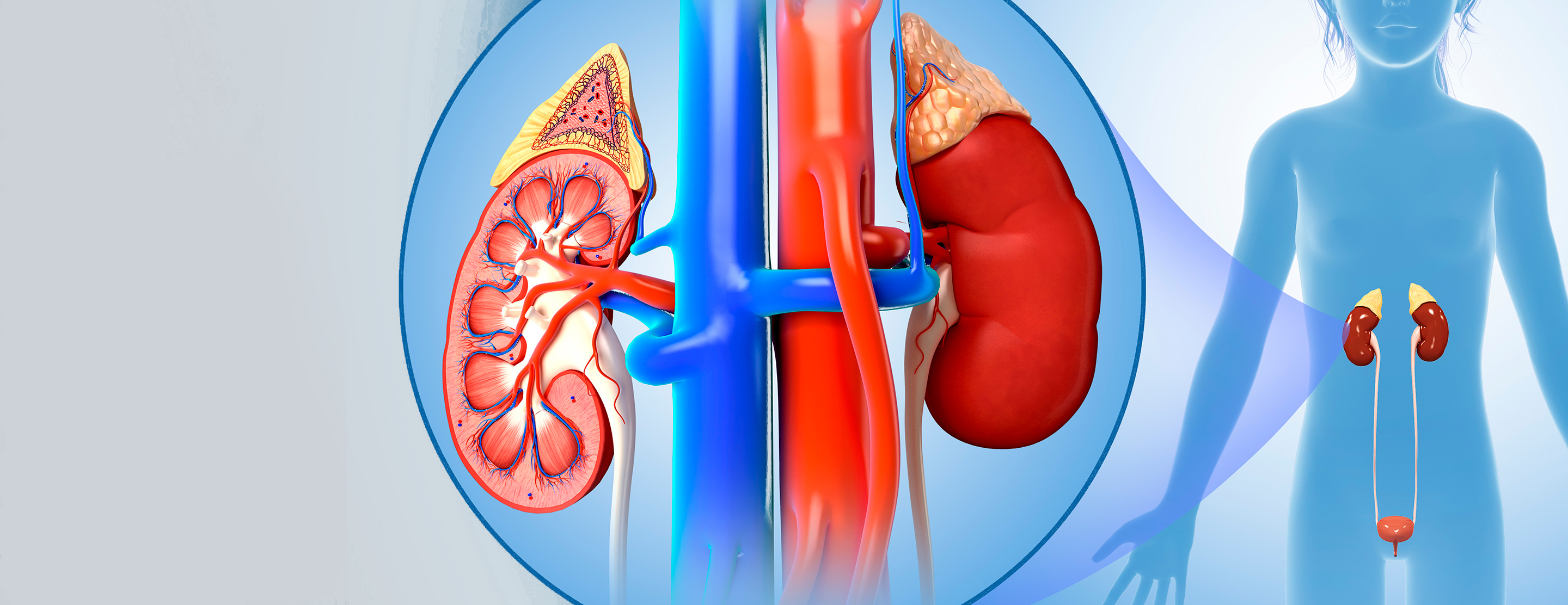
Pyeloplasty is the surgical reconstruction of the renal pelvis (a part of the kidney) to drain and decompress the kidney. In nearly all cases, the goal of the surgery is to relieve a uretero-pelvic junction (UPJ) obstruction.
Why does my child need a pyeloplasty?
Your child has a blockage where the renal pelvis connects with the ureter, the tube that carries urine from the kidneys to the bladder. This narrowing causes dilation of the kidney, a condition called hydronephrosis. Hydronephrosis can usually be verified with an ultrasound and kidney scan.
Are any artificial parts used in the surgery?
No. The original ureter is surgically approached below the level of the obstruction and the abnormal section is removed. Then the ureter is repositioned and reattached to the healthy renal pelvic tissue above.
The surgery can be done from a few different angles. In general, the incision will be on your child's side. Your surgeon will discuss the location of the incision that is most appropriate for your child. All the surgical stitches, called sutures, will dissolve. Occasionally, one skin suture is removed 10 days or so after the operation if a tube is inserted.
In some cases, we can perform pyeloplasty using robotic surgery, a minimally invasive technique that can reduce recovery time and the risk of surgical complications.
Are any tubes left in place after the surgery?
Surgeons use different approaches. In some cases, no tubes are left in place. In other cases, a tube called a "stent" may be left for seven to 10 days to drain the ureter, or a kidney catheter tube called a nephrostomy may remain for 10 to 12 days. A small drain made of special soft rubber, called a Penrose drain, may be left under the incision. The tube or drains are removed in the office. Removal causes minimal, brief discomfort, although it may feel strange.
Occasionally, a small amount of reddish-brown drainage comes out of the tubes or drains. The skin around the tubes may redden and have pus-like secretions. This is a natural reaction to the drain and nothing to be alarmed about. Before you take your child home, we will help you get comfortable assessing and caring for the tube.
While in the hospital, your child will have a catheter in his or her bladder to assure that the bladder and kidney aren't stressed. Your child may experience bladder spasms or intermittent cramping. A medication called Ditropan will provide relief. The catheter will be removed before your child goes home.
How long will the surgery take?
The surgery takes about two to three hours. The operating room nurse will give your family periodic updates on the status of the surgery.
Can I stay with my child in the hospital?
Absolutely! We encourage parents to stay with their child. The nurses on the floor will help to make you comfortable. We also encourage siblings to visit unless they have colds.
Will my child be given pain medication?
While in the hospital, your child will receive medication as needed for pain. Toward the end of the procedure, your child may be given a caudal or epidural nerve block that will help control pain between the time of the operation and your child waking up. The epidural catheter usually remains in place for about 48 hours.
Sometimes infants are given caudal morphine and then switched to oral pain medication. Younger children will be given pain medication, usually morphine, intravenously before the caudal wears off completely. Some older children are candidates for patient controlled analgesia (PCA) pumps. This involves infusion of the pain medication through the IV to maintain a more consistent blood level of pain medication. Please discuss the best form of pain control for your child with the anesthesiologist.
You will receive a prescription for oral pain medication, usually Tylenol with codeine, when your child is discharged.
Will my child have problems urinating after surgery?
After having a bladder catheter, it is common for children to feel the need to urinate frequently and to have some discomfort when urinating the first few times. Sitting your child in a shallow tub of warm water may provide relief. Placing a damp, warm washcloth on the perineum — the skin between the anus and scrotum in males, and between the anus and vulva in females — may also make your child more comfortable.
What kind of side effects do the medications have?
Many children aren't interested in food following surgery. However, we ask that you offer your child frequent fluids to maintain an adequate urine output. Even little sips every 15 minutes or so will help. Be creative with the way you offer liquids. If your child enjoys Popsicles, Jell-O or soup, offer these first for meals. Smoothies made from yogurt and fruit are a good source of vitamins and usually are well tolerated. This may require patience and persistence on your part.
Morphine, Droperidol or Demerol are among the medications your child may be given while in the hospital. These medications can make children drowsy, although some children react differently and become overexcited, nervous or develop a rash. If this happens, tell the nurse and the medication will be changed.
Before discharge, the medication will be switched to Tylenol with codeine, called Tyco. Tyco comes in both tablet and liquid form. The codeine part of this medication can make some children constipated, so it's particularly important to encourage your child to be as active as possible. Provide plenty of liquids, fruits and vegetables if your child tolerates them. Smoothies are a good source of vitamins and are usually well tolerated. Gradually, you can start to manage your child's discomfort with plain Tylenol as needed. Within a few days to a week after discharge, you should notice your child feeling more like him or herself again.
What is the follow-up after surgery?
Typically, a child is discharged on the second or third day after surgery. If a drain or catheter is in place, an office appointment should be made for one week after surgery to remove it. If there is no drain, schedule an appointment for four weeks after the surgery. It is important that your child continue the low-dose antibiotics until this time.
One to two months after the surgery, your child will be scheduled for an ultrasound of the kidneys. This test tells us if there is any blockage at the site of the surgery. Some surgeons may recommend repeating a renal scan to assess kidney function. Your child should then visit us for a follow-up six to eight months later for another ultrasound and office visit.
Children who have undergone successful pyeloplasty surgery may still get urinary tract infections. If you suspect your child has an infection, you should notify your child's pediatrician, or call Pediatric Urology at (415) 353-2200.
Please contact our office if you are concerned with your child's progress after surgery or if your child exhibits any of the following:
- Temperature greater than 101° F
- Excessive bleeding
- Extreme irritability
- Difficulty urinating
- Vomiting
- Return of symptoms experienced prior to procedure