
Atrial Flutter
On this page
Overview
Atrial flutter occurs when rapidly fired signals cause the muscles in the atria, the upper chambers of the heart, to contract quickly. This causes a very fast, steady heartbeat.
Our approach to atrial flutter
Over the past decades, UCSF has helped pioneer breakthroughs in the understanding and treatment of arrhythmias, or heart rhythm disorders, such as atrial flutter. The abnormal electrical circuit in the heart that causes the most common type, called typical atrial flutter, was discovered by UCSF researchers, and the most commonly used treatment, catheter ablation, was first performed on humans here in 1981. This minimally invasive procedure, which uses radio-frequency waves to disable the electrical pathways causing the arrhythmia, has a success rate of about 97 percent. Our experienced team of electrophysiologists – cardiologists who subspecialize in heart rhythm disorders – performs more than 500 catheter ablations every year.
We continue to drive research on atrial flutter that may lead to new ways to treat or even prevent the condition. Interested patients may have the option to join one of our clinical trials.
Signs & symptoms
An abnormal heart rhythm is a change in either the speed or the pattern of the heartbeat – the heart may beat too slowly, too rapidly or irregularly. When the heart beats too slowly, too little blood is pumped out to the rest of the body. When the heart beats too quickly, it cannot fill completely so the body doesn't receive the blood volume it needs to function properly. Slow heart rates are called bradycardias. Fast heart rates are called tachycardias.
The heart is made up of four chambers. The upper chambers, called the atriums, receive and collect blood. The lower chambers, called the ventricles, pump blood to the body. Working together, the chambers of the heart move life-sustaining blood throughout the body.
There are several types of abnormal heart rhythms, some occur in one of the atriums and are called atrial, others occur in the ventricles and are called ventricular.
Diagnosis
If your doctor suspects that you may have an arrhythmia, he or she will order one or more of the following diagnostic tests to determine the source of your symptoms.
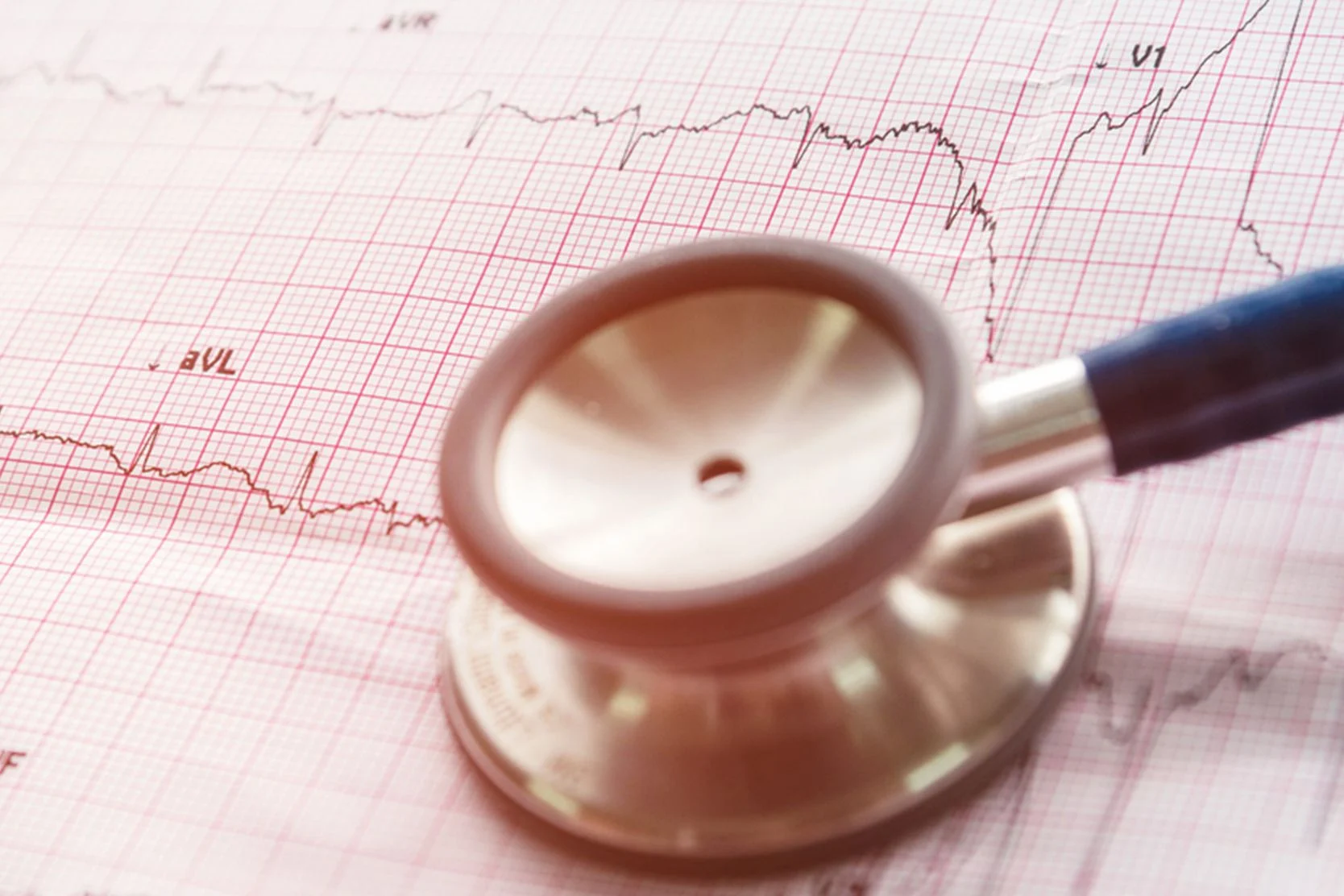
- Electrocardiogram. The electrocardiogram (ECG or EKG) records the heart's electrical activity. Small patches called electrodes are placed on your chest, arms and legs, and are connected by wires to the ECG machine. Your heart's electrical impulses are translated into a wavy line on a strip of moving paper, enabling doctors to determine the pattern of electrical current flow in the heart and to diagnose arrhythmias and heart damage.
- Holter monitor. A holter monitor is a small, portable machine that you wear for 24 hours. It enables continuous recording of your ECG as you go about your daily activities. You will be asked to keep a diary log of your activities and symptoms. This monitor may detect arrhythmias that might not show up on a resting EKG that only records for a few seconds.
- Event recorder. An event recorder (loop recorder) is a small portable transtelephonic monitor that may be worn for several weeks. This type of recorder is good for patients who don't experience symptoms very often. The monitor "loops" a two-minute recording into its memory that is continually overwritten. When you experience symptoms, you press a "record" button on the monitor which stores a correlating strip of EKG material. The recordings are telephoned to a 24-hour monitoring station and faxed directly to the requesting physician.
- Magnetic source imaging. Magnetic source imaging (MSI) is used as an overlay to magnetic resonance imaging (MRI). The device senses weak magnetic fields generated by heart muscle tissue and localizes the arrhythmia non-invasively to save time during the invasive study.
- Tilt table test. Tilt table testing is used to diagnose fainting or black-out spells (vasovagal syncope) by trying to reproduce the black-out episodes. You will be tilted upright to about 60 degrees on a special table for a period of time with continuous recording of your ECG and blood pressure.
- The electrophysiology (EP) study. The EP study allows doctors to acquire more accurate, detailed information and, in many cases, provide treatment (i.e. catheter ablation) during the same session.
Treatments
Depending on the type and severity of your arrhythmia, and the results of various tests including the electrophysiology study, there are several treatment options. You and your doctor will decide which one is right for you.
Medications
Certain anti-arrhythmic drugs change the electrical signals in the heart and help prevent abnormal sites from starting irregular or rapid heart rhythms.
Follow-up electrophysiology study
To make sure the medication is working properly after two or more days in the hospital, you may be brought back to the laboratory for a follow-up study. Our goal is to find the drug that works best for you.
Implantable device (pacemaker)
All implantable devices or pacemakers work on "demand" and are used to treat slow heart rhythms. They are small devices that are implanted beneath the skin below the collarbone and connected to a pace wire(s) positioned inside the heart via a vein; this delivers a small electrical impulse to stimulate the heart to beat when it is going too slow.
Catheter ablation
A technique pioneered at UCSF, radiofrequency catheter ablation destroys or disrupts parts of the electrical pathways causing the arrhythmias, providing relief for patients who may not have responded well to medications, or who would rather not or can't take medications.
Catheter ablation involves threading a tiny metal-tipped wire catheter through a vein or artery in the leg and into the heart. Fluoroscopy, which allows cardiologists to view on a monitor the catheter moving through the vessel, provides a road map. Other catheters, usually inserted through the neck, contain electrical sensors to help find the area causing the short-circuits. The metal-tipped catheter is then maneuvered to each problem site and radiofrequency waves – the same energy used for radio and television transmission – gently burn away each unwanted strand of tissue. When catheter ablation was first tried, direct current shocks were used, but researchers later developed the use of radiofrequency waves – a more precise form of energy. With radiofrequency catheter ablation, patients usually leave the hospital in one day, compared to open heart surgery, which requires a week stay and months of recovery.
For conditions like Wolff-Parkinson-White syndrome, in which a hair-thin strand of tissue creates an extra electrical pathway between the upper and lower chambers of the heart, radiofrequency ablation offers a cure. It has become the treatment of choice for patients with that disorder who don't respond well to drug therapy or who have a propensity for rapid heart rates.
Even in arrythmias that can be controlled with drugs, the procedure has been shown to be cost effective because it eliminates medication failures that require hospitalization. It also is an attractive option for elderly patients who are prone to suffer side effects from drug therapy and women of childbearing age who can't take medications because of potential health risk to the fetus.
While studies have shown that catheter ablation is more cost effective than drug therapy or surgery, patients who undergo the procedure also experience remarkable improvement in quality of life. A recent study of nearly 400 ablation patients with dangerously rapid heart rates – nearly a third of whom were considered candidates for open heart surgery – found that one month after the procedure 98 percent required no medication and 95 percent reported that their overall health had markedly improved. The UCSF study also found improvement in the patients' ability to work, exercise and take on physical activities.
Internal cardioversion
Internal cardioversion for conversion of atrial fibrillation and atrial flutter to a normal sinus rhythm was developed here at UCSF Medical Center in 1991. Internal cardioversion is low energy electrical shock (1 to 10 joules) delivered internally in the heart through two catheters inserted in a vein in the groin and a small electrode pad applied to the chest. This procedure is performed in the electrophysiology lab by our electrophysiologist.
During the internal cardioversion, short-acting sedatives are given to make the patient sleepy. Currently, atrial flutter is successfully "cured" by radiofrequency catheter ablation; but treatment to restore atrial fibrillation to sinus rhythm has been the traditional use of medications and external cardioversion. External cardioversion is delivery of high energy shocks of 50 to 300 joules through two defibrillator pads attached to the chest. In some cases, external cardioversion has failed because the electrical current has to first travel through chest muscle and skeletal structures before reaching the heart. Internal cardioversion has been performed when medications and external cardioversion have failed to restore a patient's rhythm back to a normal sinus rhythm.
UCSF's success rate of converting a patient from atrial fibrillation to normal sinus rhythm with internal cardioversion has been 95 percent. The less time a patient is in atrial fibrillation, the easier it is to cardiovert back to a normal rhythm, but even patients with long-standing chronic atrial fibrillation can be converted successfully to a normal rhythm through internal cardioversion. With internal cardioversion, our electrophysiology team was successful in converting a patient who had been in chronic atrial fibrillation for eight years.
Implantable cardioverter defibrillator
An implantable cardioverter defibrillator is a device for people who are prone to life-threatening rapid heart rhythms. It is slightly larger than a pacemaker and usually is implanted beneath the skin below the collarbone. It is connected to a defibrillation/pace wire(s) positioned inside the heart via a vein. It has the capability of delivering an electric shock to the heart when it determines the heart rate is too fast. It also is capable of pacing or stimulating the heart when it is going too slow.
Biventricular pacemaker
The U.S. Food and Drug Administration (FDA) recently approved the first of a new type of pacemaker that paces both ventricles of the heart to coordinate their contractions and improve their pumping ability. According to the test results presented to the FDA, cardiac resynchronization therapy (CRT):
- Increases the amount of daily activities patient can perform without the symptoms of heart failure
- Extends the exercise capacity of heart failure patients as measured by the distance they can walk in 6 minutes
- Improves the overall quality of life as judged by standard measurements
- Promotes changes in heart anatomy to improve cardiac function
- Reduces the number of days patients spend in the hospital and the total number of hospitalizations
CRT devices work by pacing both the left and right ventricles simultaneously, which results in resynchronizing the muscle contractions and improving the efficiency of the weakened heart. In the normal heart, the electrical conduction system delivers electrical impulses to the left ventricle in a highly organized pattern of contractions that pump blood out of the ventricle very efficiently. In systolic heart failure caused by an enlarged heart (dilated cardiomyopathy), this electrical coordination is lost. Uncoordinated heart muscle function leads to inefficient ejection of blood from the ventricles.
Awards & recognition

Among the top hospitals in the nation
One of the nation's best for heart & vascular care

Rated high-performing hospital for heart arrhythmia care

Rated high-performing hospital for pacemaker implantation
Recommended reading

Electrophysiology Procedure
An electrophysiology (EP) procedure assesses your heart’s electrical system or activity. Here’s what to expect before, during and after an EP study.
FAQ: Electrophysiology Study and Catheter Ablation
Explore commonly asked questions about electrophysiology study and catheter ablation, including how long the procedure takes and when you can return to work.
FAQ: Implantable Cardioverter Defibrillators
Learn about implantable cardioverter defibrillators (ICDs) and get answers to questions about what it feels like and what to know about living with an ICD.
How the Heart Works
Your heart has four compartments, or chambers, that constantly pump blood to deliver oxygen and nutrients to the body. Learn more about how your heart works.
Preparing for an EP Study
Review this guide before an electrophysiology (EP) study or a catheter ablation to prepare for the procedure and make your visit as comfortable as possible.
More treatment info
Catheter Ablation
Learn about how the catheter ablation procedure provides relief from arrhythmia, with most patients reporting improved health and no need for medication.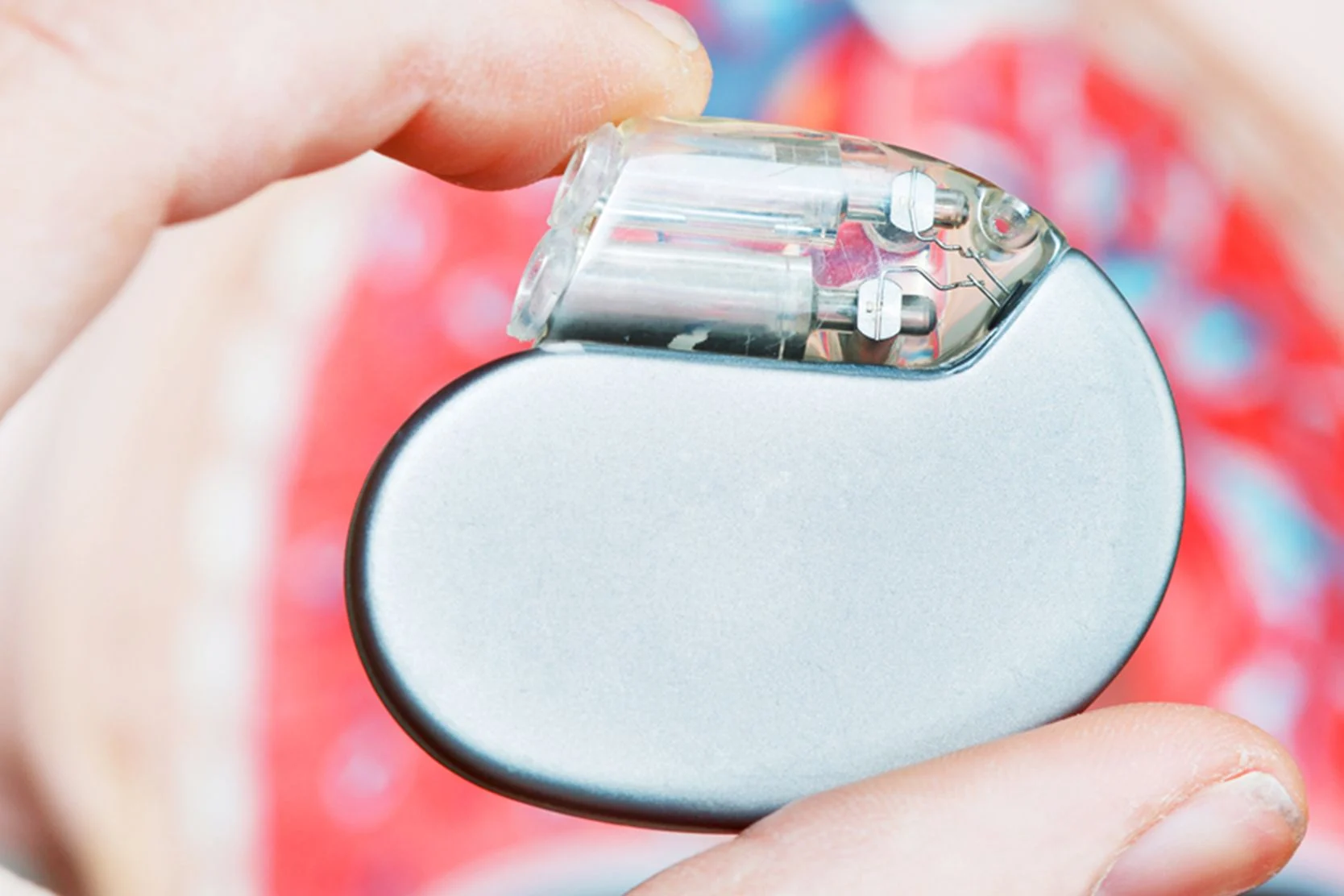
Implantable Cardioverter Defibrillator (ICD)
Learn how implantable cardioverter defibrillators (ICDs) use special pacing to help manage fast heartbeats and irregular heart rhythms.
Support services

Case Management and Social Work
Connect with a team that can help you find resources, solve problems and advocate for you during treatment at UCSF.
Interpreting Services
UCSF offers interpreters in various languages, including American Sign Language (ASL), as well as services for deaf, hard-of-hearing and visually impaired patients.
Mindfulness-Based Stress Reduction Class
This eight-week class teaches mindfulness practices that can reduce stress and improve your overall health, such as meditation and body awareness.
Patient Relations
We welcome feedback about your experience at UCSF Health. Find out how to contact us with comments, questions or concerns.
Spiritual Care at UCSF
Chaplains representing many faiths are available around the clock to provide support, comfort and counsel to patients, families and caregivers.
UCSF Health medical specialists have reviewed this information. It is for educational purposes only and is not intended to replace the advice of your doctor or other health care provider. We encourage you to discuss any questions or concerns you may have with your provider.