
Creutzfeldt-Jakob Disease
On this page
Overview
Creutzfeldt-Jakob disease (CJD) is a rare, degenerative and fatal brain disorder caused by an infectious agent known as a "prion." Typically, the disease occurs at about age 60 and 90 percent of patients diagnosed with CJD die within a year.
In the early stages, symptoms may include failing memory, behavioral changes, lack of coordination and vision problems.
As the illness progresses, mental deterioration becomes more severe and involuntary movements, blindness, weakness in the arms and legs and then a coma may occur.
CJD may occur in three ways:
- Inherited, when there's a family history or a genetic mutation associated with the disease. About 5 to 10 percent of cases in the United States are hereditary.
- Sporadically without apparent cause and no known risk factors. This is the common form of Creutzfeldt-Jakob disease and accounts for about 85 percent of cases.
- Transmitted through infection when exposed to brain or nervous system tissue, usually through medical procedures.
There is no evidence that Creutzfeldt-Jakob disease is contagious or that it can be spread through casual contact with a patient. Since 1920, less than 1 percent of the reported cases were acquired through infection.
The disease is part of a family of diseases known as transmissible spongiform encephalopathies (TSE). Spongiform refers to the appearance of the infected brain, which becomes filled with holes until it resembles a sponge under a microscope. CJD is the most common of these diseases. Other forms occur in animals such as bovine spongiform encephalopathy (BSE), which develops in cows and often is referred to as "mad cow" disease. Similar diseases occur in cats, elk, deer, goats, sheep and exotic zoo animals.
Our approach to Creutzfeldt-Jakob disease
As international leaders in the field of dementia disorders, UCSF specialists are working to find new treatments and a cure for Creutzfeldt-Jakob disease. We offer the full scope of diagnostic tests and therapies to control symptoms and keep patients as comfortable as possible.
Signs & symptoms
Creutzfeldt-Jakob disease (CJD) affects many areas of the brain. At UCSF, CJD is sometimes called the "great mimicker" because it causes symptoms that occur in many other neurological diseases. First symptoms vary widely and may include the following:
- Behavioral and personality changes
- Confusion and memory problems
- Depression
- Insomnia
- Lack of coordination
- Strange physical sensations
- Vision problems
As the disease advances, patients may experience a rapidly progressive dementia and in most cases involuntary and irregular jerking movements called myoclonus.
Patients also may appear startled and become rigid. In advanced stages of the disease, patients have difficulties with movement, swallowing and talking. In the final stage, patients lose all mental and physical function and may lapse into a coma. Many patients die from an infection such as pneumonia.
The average duration of disease – from the onset of symptoms to death – is four to six months. Ninety percent of patients die within a year. Some cases progress very rapidly, lasting only a few weeks before the patient's death, and others may last two or three years, especially if the disease occurs at an early age.
Diagnosis
Creutzfeldt-Jakob disease (CJD) is typically a rapidly progressive dementia. Early diagnosis is important because the underlying cause of the dementia may be treatable.
If CJD is suspected, you may undergo a series of tests. Your doctor will conduct a neurological examination and other tests such as a spinal tap to rule out more common and treatable forms of dementia and an electroencephalogram (EEG) to record the brain's electrical pattern, which can identify a specific abnormality that sometimes occurs in CJD.
Computerized tomography (CT) of the brain can help rule out the possibility that symptoms are caused by other problems such as a stroke or a brain tumor.
One of the most effective diagnostic tools is a magnetic resonance imaging (MRI) brain scan, which can reveal patterns of abnormal brain signals characteristic of CJD.
In rare cases, when the diagnosis is not clear, a brain biopsy is performed. A neurosurgeon removes a small piece of tissue from the abnormal area of the brain and the tissue is examined by a neuropathologist. Generally, an MRI is sufficient and this procedure is not necessary.
The UCSF Fein Memory and Aging Center offers consultations to doctors from throughout the world who are treating patients with CJD. If you'd like your doctor to consult with UCSF, ask your doctor to fax your records to the attention of Dr. Michael Geschwind at 415-476-4800. Doctors at the Fein Memory and Aging Center will review your records.
Copies of MRI films, preferably on CD, can be sent to:
Dr. Michael Geschwind
UCSF Department of Neurology
Edward and Pearl Fein Memory and Aging Center, MC: 3017
1651 4th St., Suite 212
San Francisco, CA 94143
Treatments
Currently, there is no cure for Creutzfeldt-Jakob disease (CJD). Researchers have tested many drugs, including acyclovir, amantidine, antibiotics, antiviral agents, interferon and steroids. None has shown consistent benefit.
Treatment is aimed at alleviating symptoms and making the patient as comfortable as possible. Drugs can help relieve pain if it occurs. The drugs clonazepam and sodium valproate may help relieve myoclonus or irregular, jerking movements.
Researchers at the Fein Memory and Aging Center are trying to identify compounds for treatment or a cure for CJD and other diseases caused by the infectious particles called prions.
Awards & recognition

Among the top hospitals in the nation

Best in the West and No. 3 in the nation for neurology & neurosurgery
Recommended reading

Healthy Aging
As we age, some memory loss is normal, but dementia is not. Understand symptoms of dementia, potential risk factors and tips for healthy aging.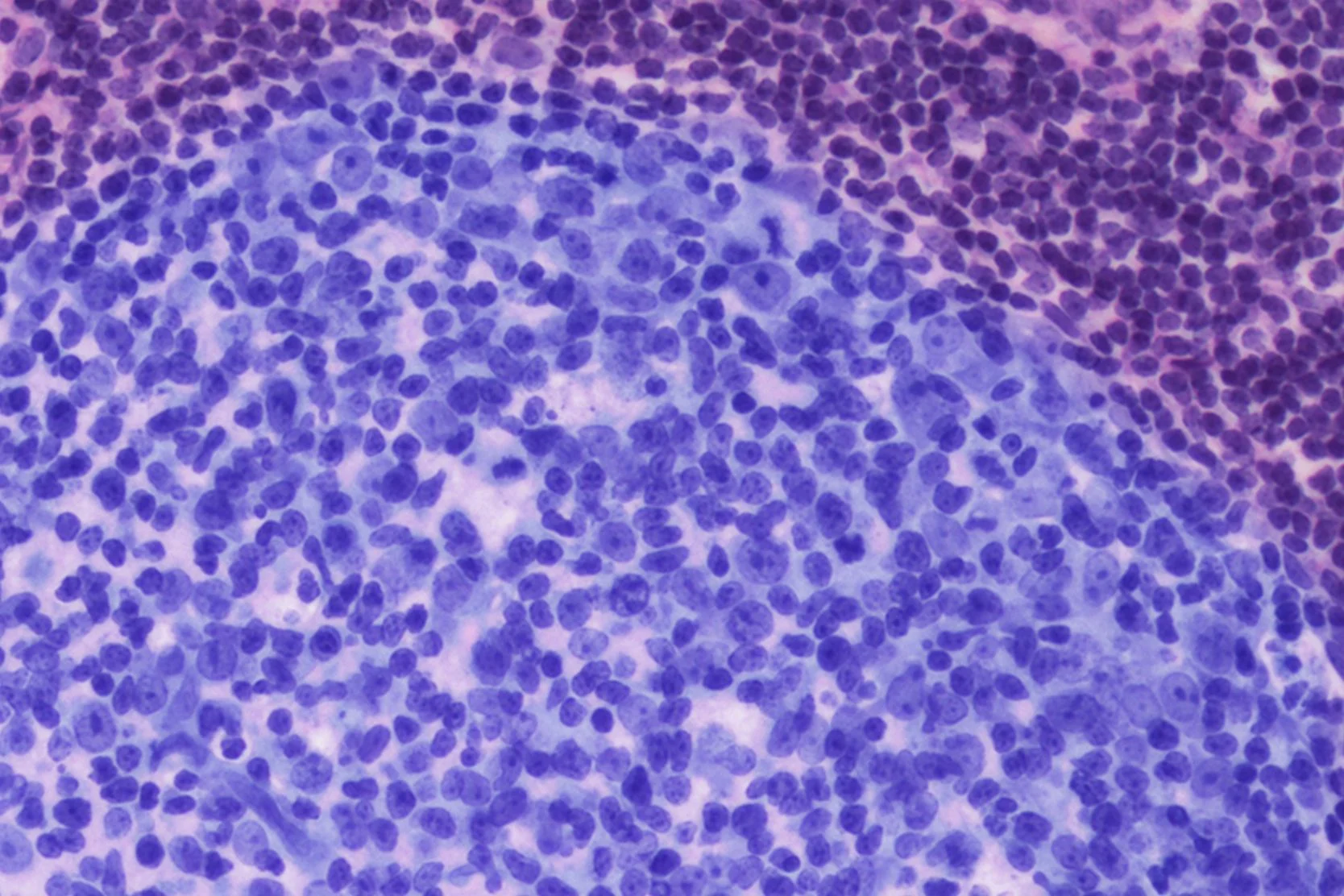
Mad Cow Disease
Mad cow disease, also known as bovine spongiform encephalopathy, is a disorder found in cattle. Get the facts about the risk of transmission to humans.
Memory and Aging Glossary
Use this glossary to understand the medical terms associated with memory and aging, including agnosia, aphasia, gray matter and more.
Helpful resources
Support services

Case Management and Social Work
Connect with a team that can help you find resources, solve problems and advocate for you during treatment at UCSF.
Memory & Aging Disorders Support Groups
Find support for caregivers, families and patients dealing with dementia, early-onset Alzheimer's, Huntington's disease and more.
Mindfulness-Based Stress Reduction Class
This eight-week class teaches mindfulness practices that can reduce stress and improve your overall health, such as meditation and body awareness.
Patient Relations
We welcome feedback about your experience at UCSF Health. Find out how to contact us with comments, questions or concerns.
Spiritual Care at UCSF
Chaplains representing many faiths are available around the clock to provide support, comfort and counsel to patients, families and caregivers.
UCSF Health medical specialists have reviewed this information. It is for educational purposes only and is not intended to replace the advice of your doctor or other health care provider. We encourage you to discuss any questions or concerns you may have with your provider.