
Dural Arteriovenous Fistulae (DAVF)
On this page
Overview
Dural arteriovenous fistulas (DAVFs) are rare, abnormal connections between arteries and veins in the dura, the protective membrane covering the brain and spinal cord. These abnormal vessels divert blood from the normal paths. If the volume of diverted blood flow is large, tissue downstream may not receive an adequate blood and oxygen supply. DAVFs are part of a group of conditions called arteriovenous malformations.
An unusually heavy blood flow can lead to aneurysms (weakened spots in the blood vessel wall), which can rupture.
DAVFs can be caused by head trauma, infection, surgery or blood clots in the brain (thrombosis). Some people are born with DAVFs.
Some DAVFs are life threatening and may cause headaches, seizures or, if they rupture, strokes. Others are benign and go undetected until discovered during treatment for other conditions.
Our approach to dural arteriovenous fistulae
At UCSF, dural arteriovenous fistulas are diagnosed and treated by an expert team of neurologists, neurosurgeons and neuroradiologists. We offer the full range of treatments, including minimally invasive surgery to block blood flow to the DAVF and radiosurgery, a noninvasive procedure that uses a precisely targeted, high dose of radiation to destroy blood vessels feeding the DAVF.
Signs & symptoms
The symptoms of dural arteriovenous fistulae (DAVF) can vary widely, depending on the location of the fistulae. Some DAVFs have no symptoms at all and aren't discovered until patients are evaluated for other neurological or vascular conditions.
Some of the common symptoms include:
- Headaches. Headaches are among the most common symptoms with all types of DAVFs
- Ringing in ears. An unusual ringing or humming in the ears may be symptom, particularly when the DAVF is near the ear. Some patients hear a pulsating noise caused by blood flow through the fistula.
- Stroke-like symptoms. All types of DAVFs can cause stroke-like symptoms and seizures, if they rupture. Bleeding in the brain is the most serious side effect and can cause permanent disability or death.
- Visual problems. When DAVFs are located near the eye, patients often complain of impaired vision, eye redness and swelling, and sinus congestion.
Diagnosis
The following tests may be used to diagnose your dural arteriovenous fistulae (DAVF) and help identify its size, location and blood-flow pattern.
- Cerebral angiography. This X-ray exam shows the structure of blood vessels and is the most important test in diagnosing DAVF. A harmless dye, visible on X-rays, is injected into an artery that supplies blood to the brain. As the dye flows through blood vessels to the brain, it will show any obstructions or leaks.
- Computed tomography (CT) scan. During this test, X-ray beams are used to create a 3-D image of the brain and may help identify any bleeding or hemorrhage. For more precise images of blood vessels, the cerebral angiography and magnetic resonance angiography (MRA) are performed.
- Magnetic resonance angiography (MRA). An MRA uses magnetic resonance imaging to create detailed images of blood vessels. Using a strong magnetic field, it generates a 3-D image of the brain to detect, diagnose and aid the treatment of DAVFs and other vascular disorders. In some cases, a dye is injected intravenously.
Treatments
Treatment for dural arteriovenous fistulae (DAVF) depends on the blood vessels involved. Endovascular techniques, which are minimally invasive procedures that are performed through the blood vessels, have been developed to safely treat DAVFs.
An approach, called embolization, reduces blood flow to the DAVF by obstructing surrounding blood vessels. During this procedure, the DAVF is filled with specially designed coils, glues or spheres that plug the vessels.
Some fistulas can't be completely blocked with embolization and may require surgery to disconnect or close them. In some cases, doctors may try to close the fistula with what's called stereotactic radiosurgery or the Gamma Knife.
Awards & recognition

Among the top hospitals in the nation
Best in the West and No. 3 in the nation for neurology & neurosurgery
Recommended reading

Preparing for Gamma Knife Treatment
Here’s what to expect before, during and after Gamma Knife, an advanced radiation treatment for brain tumors, blood vessel issues and neurological conditions.
More treatment info
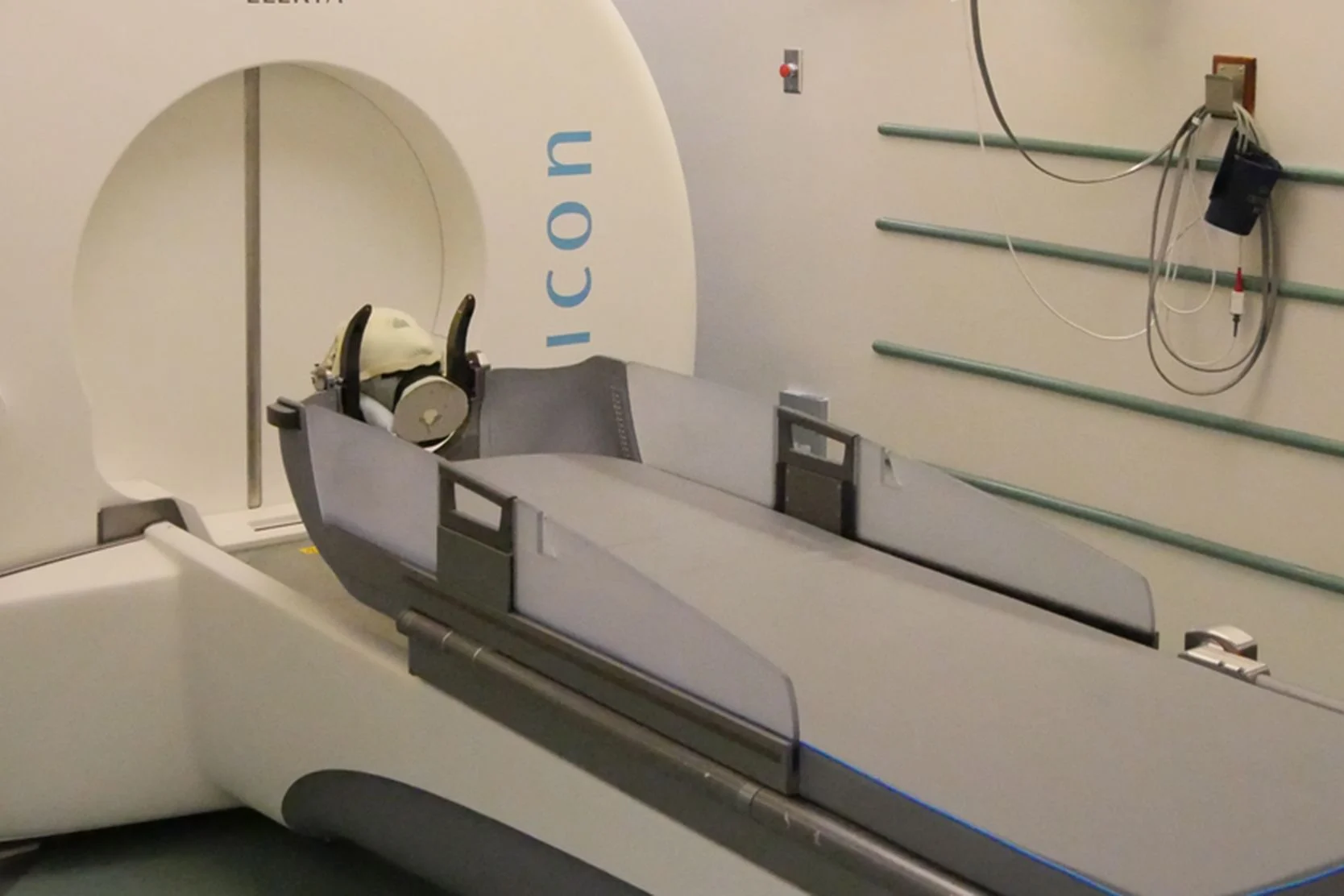
Gamma Knife
The Gamma Knife is an advanced radiation treatment for adults and children with small to medium brain tumors, abnormal blood vessel formations, and more.
Related services & treatments
Specialties
- Neurosurgery
- Neurosurgery (Endovascular Neurosurgery)
- Radiology (Neuroradiology)
- Interventional Radiology
Treatments
- AVM Embolization
- Cerebral Angiogram
- Stereotactic Radiosurgery
Support services

Case Management and Social Work
Connect with a team that can help you find resources, solve problems and advocate for you during treatment at UCSF.
Mindfulness-Based Stress Reduction Class
This eight-week class teaches mindfulness practices that can reduce stress and improve your overall health, such as meditation and body awareness.
Patient Relations
We welcome feedback about your experience at UCSF Health. Find out how to contact us with comments, questions or concerns.
Spiritual Care at UCSF
Chaplains representing many faiths are available around the clock to provide support, comfort and counsel to patients, families and caregivers.
UCSF Health medical specialists have reviewed this information. It is for educational purposes only and is not intended to replace the advice of your doctor or other health care provider. We encourage you to discuss any questions or concerns you may have with your provider.