
Gastroparesis
On this page
Overview
Gastroparesis is a disorder affecting the nerves and muscles of the stomach, resulting in a paralyzed stomach that cannot perform its normal function. Normally, your stomach contracts slowly to squeeze solid food into small particles, which are then pushed into the small bowel. With gastroparesis, food is not moved into the small bowel and remains in the stomach for much longer than usual. When food lingers too long in the stomach, problems such as bacterial overgrowth can develop in the small bowel. Also, the food can harden into solid masses called bezoars that may cause nausea, vomiting and an obstruction in the stomach.
Although the cause of gastroparesis is unknown in more than half of patients, type 1 diabetes is the most common cause. It also can develop in people with type 2 diabetes, although this is less common. Other causes of gastroparesis include:
- Postviral syndromes
- Anorexia nervosa
- Surgery on the stomach or vagus nerve, a nerve that runs from the brain to the abdomen
- Medications, particularly anticholinergics and narcotics, which slow contractions in the intestine
- Gastroesophageal reflux disease, although this is rare
- Smooth muscle disorders such as amyloidosis and scleroderma
- Nervous system diseases, including abdominal migraine and Parkinson's disease
Our approach to gastroparesis
UCSF delivers state-of-the-art, comprehensive care for all gastrointestinal conditions, including gastroparesis. Our surgeons helped pioneer minimally invasive gastrointestinal surgery, which has significant benefits for patients compared with traditional open surgery, including a faster recovery, lower risk of infection, and less pain and scarring.
Several treatments are available for gastroparesis, and our recommendations depend on both the patient's symptoms and the underlying cause of the delayed gastric emptying. Options range from dietary changes to surgery that widens the valve connecting the stomach and small intestines, allowing the stomach to empty faster. Some patients may be candidates for an implantable device that reduces nausea and vomiting by sending mild electrical pulses to the muscles and nerves of the lower stomach.
Signs & symptoms
Symptoms of gastroparesis range from mild to severe and commonly include:
- Nausea
- Vomiting
- An early feeling of fullness when eating
- Weight loss
- Abdominal bloating
- Abdominal discomfort
Diagnosis
A diagnosis of gastroparesis begins with X-rays and an endoscopy. If your doctor does not detect another problem, the following tests may be recommended to make a definite diagnosis.
- Endoscopy. During this procedure, the upper portion of the gastrointestinal tract is visualized with a flexible endoscope. The areas examined include the esophagus, or the swallowing tube leading to the stomach, the stomach and the beginning of the small intestine, called the duodenum.
- Gastric emptying scan. For this test, you will eat foods, typically eggs, that contain a very safe radioisotope, a slightly radioactive substance that will show up on the scan. The dose of radiation from the radioisotope is small and not dangerous. After eating, you will lie under a machine that shows an image of the food in the stomach and how quickly it leaves the stomach. A diagnosis of gastroparesis is made if more than half of the food remains in the stomach after 60 to 90 minutes. However, sometimes it requires more than one gastric emptying scan to detect gastroparesis.
- Manometry. A test that measures the strength of your stomach contractions.
- Electrogastrogram. This test is for patients who are experiencing unexplained nausea and vomiting. During the one-hour procedure, electrodes are placed on your stomach, which record the electrical activity of your stomach. This must be performed on an empty stomach, followed by a liquid meal.
The procedure is performed using an endoscope, which is a long, thin and flexible tube with a tiny video camera and light on the end. By adjusting the various controls on the endoscope, the gastroenterologist can safely maneuver the instrument to carefully examine the inside lining of the upper digestive system. The endoscope contains a channel that allows instruments to be passed in order to take tissue samples, remove polyps and provide other therapy. The high-quality picture from the endoscope is shown on a TV monitor. In many cases, upper GI endoscopy is a more precise examination than X-ray studies.
Treatments
Dietary requirements
Therapy for gastroparesis requires that you follow certain dietary requirements, such as eating small meals throughout the day and avoiding foods that are difficult to digest. These include fatty foods, legumes, lentils and citrus fruits. If you have gastroparesis as a complication of diabetes, you may need to increase your insulin therapy.
Medications
Medications also are used to treat gastroparesis. One of the most effective is metoclopramide, which helps the stomach to empty by stimulating stomach activity. It also may relieve nausea and vomiting. Common side effects include drowsiness and fatigue. In addition, some people may experience depression, movement disorders, anxiety and breast tenderness or discharge. Metoclopramide is not recommended for patients with Parkinson's disease.
The antibiotic erythromycin also improves stomach emptying, but its side effects of nausea, vomiting and abdominal cramps limit its usefulness. One additional drug called domperidone is not approved for use in the United States. Domperidone improves stomach emptying by stimulating stomach motor activity, relieves nausea and has few side effects. Additional new methods are being evaluated in studies, and it is recommended that you speak to your doctor about these.
If drugs do not work for you, your doctor may recommend a jejunostomy tube, which allows food to bypass your stomach. Liquid nutrition, fluids and medication are delivered directly to the small bowel through the tube during severe attacks of gastroparesis. In extreme cases of gastroparesis, patients may need a semi-permanent intravenous (IV) line that delivers nutrients and fluids directly into the bloodstream.
Other treatments
Gastric electrical stimulation uses a device, surgically implanted in the abdomen, to deliver mild electrical pulses to the nerves and smooth muscle of the lower part of the stomach. This stimulation may reduce chronic nausea and vomiting in patients with gastroparesis resulting from diabetes or unknown causes.
If gastroparesis is related to an injury of the vagus nerve, patients may benefit from a procedure called pyloroplasty. This procedure widens and relaxes the valve separating the stomach from the upper part of the small intestine, called the pyloric valve. This allows the stomach to empty more quickly. In some cases, before deciding to perform the procedure, botulinum toxin (Botox) will be injected at the pyloric valve to temporarily paralyze and relax it. This helps us determine if the patient would benefit from a pyloroplasty.
Awards & recognition

Among the top hospitals in the nation

Best in Northern California and No. 8 in the nation for gastroenterology & GI surgery
More treatment info
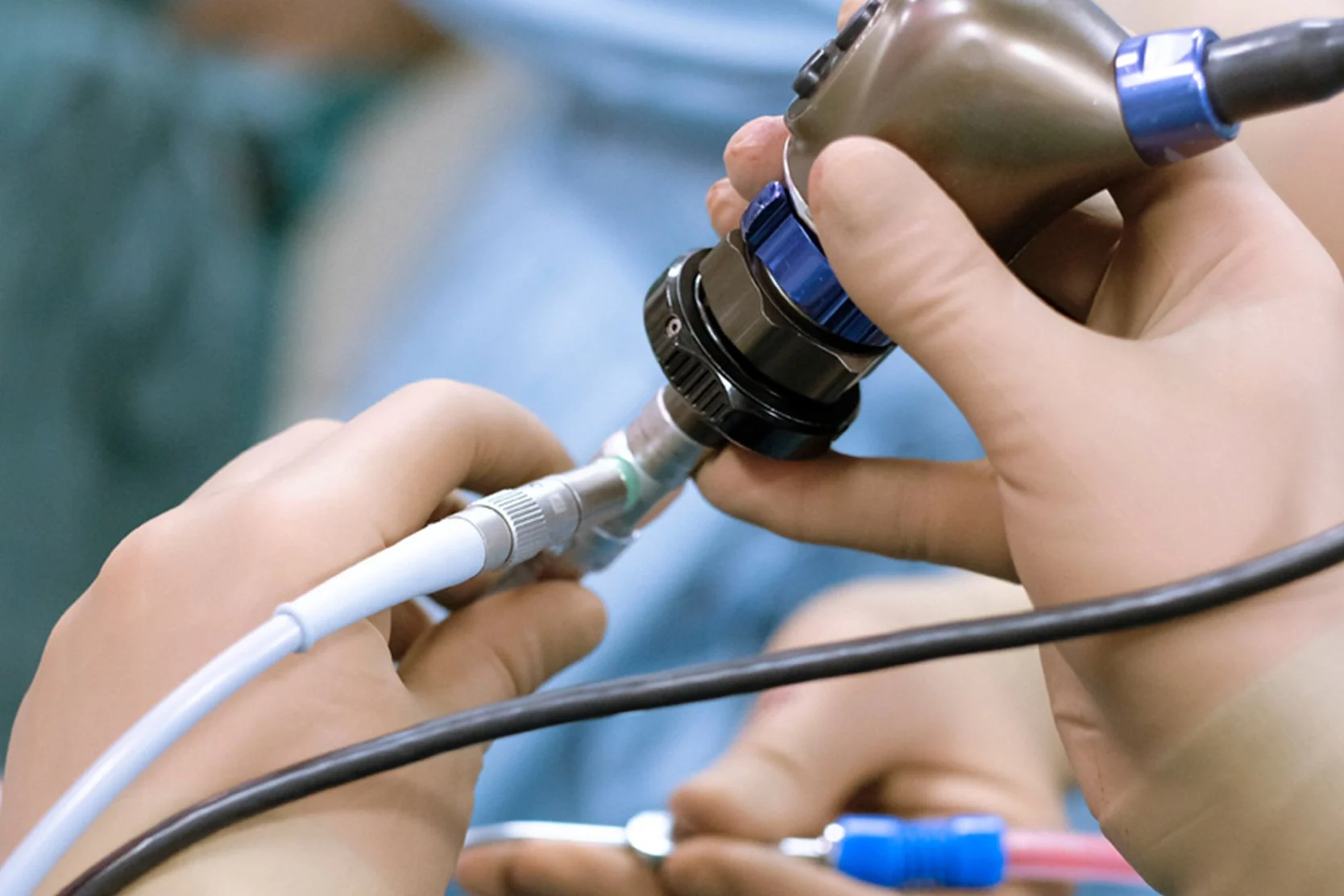
Advanced Endoscopic Procedures
In addition to standard endoscopic procedures, UCSF Medical Center's digestive disorder specialists also offer advanced endoscopic procedures.
Support services

Case Management and Social Work
Connect with a team that can help you find resources, solve problems and advocate for you during treatment at UCSF.
Mindfulness-Based Stress Reduction Class
This eight-week class teaches mindfulness practices that can reduce stress and improve your overall health, such as meditation and body awareness.
Patient Relations
We welcome feedback about your experience at UCSF Health. Find out how to contact us with comments, questions or concerns.
Spiritual Care at UCSF
Chaplains representing many faiths are available around the clock to provide support, comfort and counsel to patients, families and caregivers.
UCSF Health medical specialists have reviewed this information. It is for educational purposes only and is not intended to replace the advice of your doctor or other health care provider. We encourage you to discuss any questions or concerns you may have with your provider.