
Basic Facts About Breast Health: Breast Cancer Staging
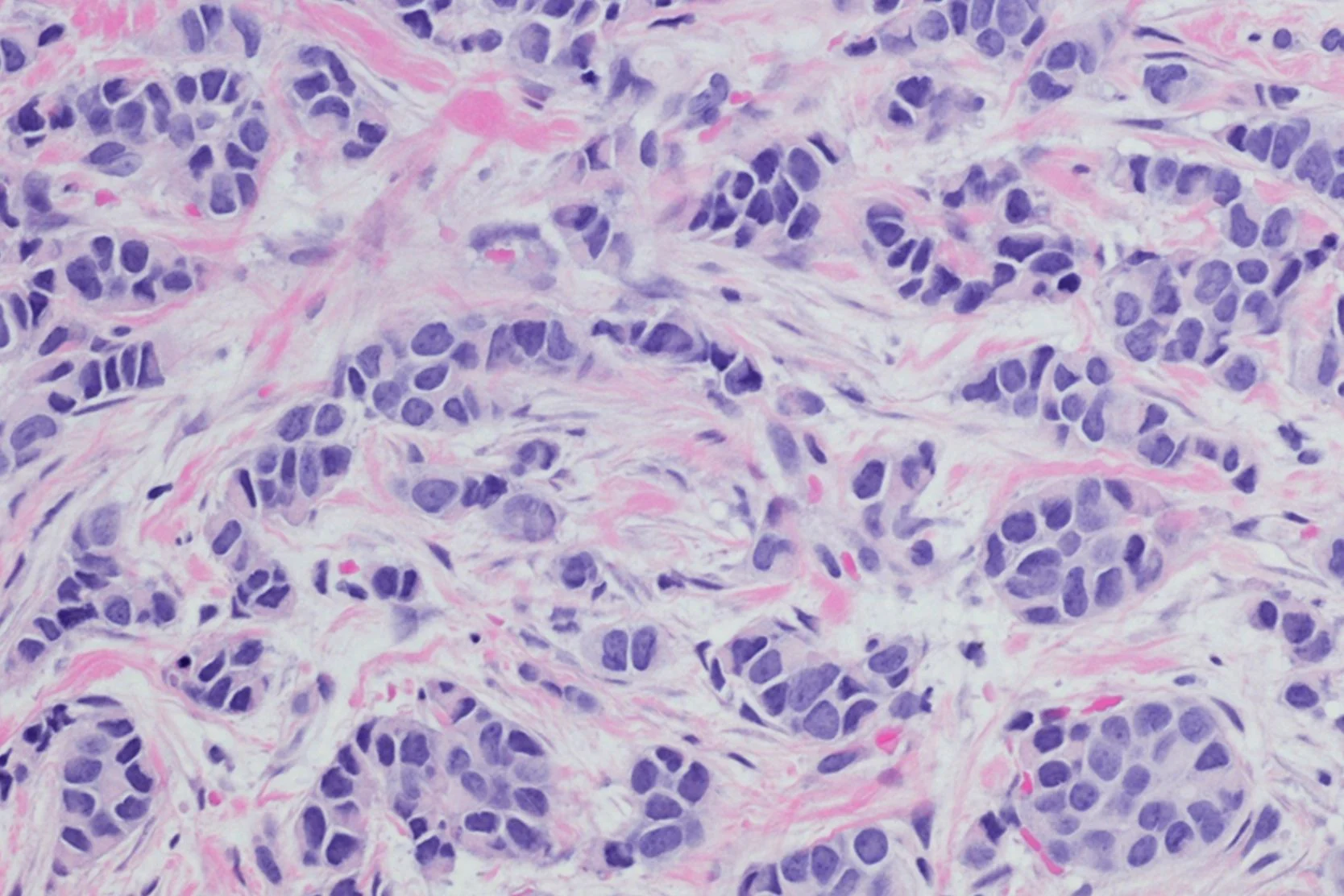
Stage 0
Very early breast cancer. This type of cancer has not spread within or outside the breast. It is sometimes called DCIS, LCIS or breast cancer in situ or noninvasive cancer.
Stage I
The cancer is no larger than about one inch in size and has not spread outside the breast.
Stage II
The doctor may find any of the following:
- The cancer is no larger than one inch, but has spread to the lymph nodes under the arm.
- The cancer is between one and two inches. It may or may not have spread to the lymph nodes under the arm.
- The cancer is larger than two inches, but has not spread to the lymph nodes under the arm.
Stage III
Stage III is divided into stages IIIA and IIIB:
Stage IIIA
- The cancer is smaller than two inches and has spread to the lymph nodes under the arm. The cancer also is spreading further to other lymph nodes.
- The cancer is larger than two inches and has spread to the lymph nodes under the arm.
Stage IIIB
The doctor may find either of the following:
- The cancer has spread to tissues near the breast, such as the skin and chest wall, including the ribs and the muscles in the chest.
- The cancer has spread to lymph nodes inside the chest wall along the breastbone.
Stage IV
The cancer has spread to other parts of the body, most often the bones, lungs, liver or brain. Or, the tumor has spread locally to the skin and lymph nodes inside the neck, near the collarbone.
Inflammatory breast cancer
Inflammatory breast cancer is a rare, but very serious, aggressive type of breast cancer. The breast may look red and feel warm. You may see ridges, welts or hives on your breast; or the skin may look wrinkled. It is sometimes misdiagnosed as a simple infection.
Recurrent breast cancer
Recurrent disease means that the cancer has come back (recurred) after it has been treated. It may come back in the breast, in the soft tissues of the chest (the chest wall) or in another part of the body.
Breast cancer in situ – DCIS and LCIS
Many breast cancers being found are very early cancers known as breast cancer in situ or noninvasive cancer. Most of the cancers are found by mammography. These very early cells changes may become invasive breast cancer. Two types of breast cancer in situ are:
- Ductal carcinoma in situ (DCIS), which means that abnormal cells are found only in the lining of a milk duct of the breast. These abnormal cells have not spread outside the duct. They have not spread within the breast, beyond the breast, to the lymph nodes under the arm or to other parts of the body.
There are several types of DCIS. If not removed, some types may change over time and become invasive cancers. Some may never become invasive cancers. DCIS is sometimes call intraductal carcinoma. - Lobular carcinoma in situ (LCIS), which means that abnormal cells are found in the lining of a milk lobule. Although LCIS is not considered to be actual breast cancer at this noninvasive stage, it is a warning sign of increased risk of developing invasive cancer.
LCIS is sometimes found when a biopsy is done for another lump or unusual change that is found on a mammogram.
Prognosis
Most women who are treated for early breast cancer go on to live healthy, active lives. You may have more choices of treatment if your breast cancer is found early.
Treatments have changed over time. Today, many women who are diagnosed with breast cancer do not have to lose a breast. Because there are improved ways to treat breast cancer, it is more important than ever for you to learn all you can. Working with your team of medical specialists, you can play a key role in choosing the treatment that is best for you.
Once your doctor has determined your specific type and stage of breast cancer, you can begin to plan for your treatment and recovery. Your chance of recovery will depend on many factors, including:
- The type and stage of your cancer. The kind of cancer, the size of the tumor and whether it is only in your breast or has spread to any lymph nodes or to other parts of your body.
- How fast the cancer is growing. Special tests on the tissue can measure how fast the cancer cells are dividing and how different they are compared to normal breast cells.
- How much the breast cancer cells depend on female hormones (estrogen and progesterone) for growth. This can be measured by hormone receptor tests. Patients whose tumors are found to be dependent on hormones (described as estrogen-positive or progesterone positive) can be treated with hormonal therapy to prevent further growth or recurrence of breast cancer.
- Your age and menopausal status.
- Your general state of health.
The material in the above sections is taken in its entirety from the National Cancer Institute Booklet (No. 98-4251) entitled, "Understanding Breast Cancer Treatment: A Guide for Patients."
Basic facts about breast health
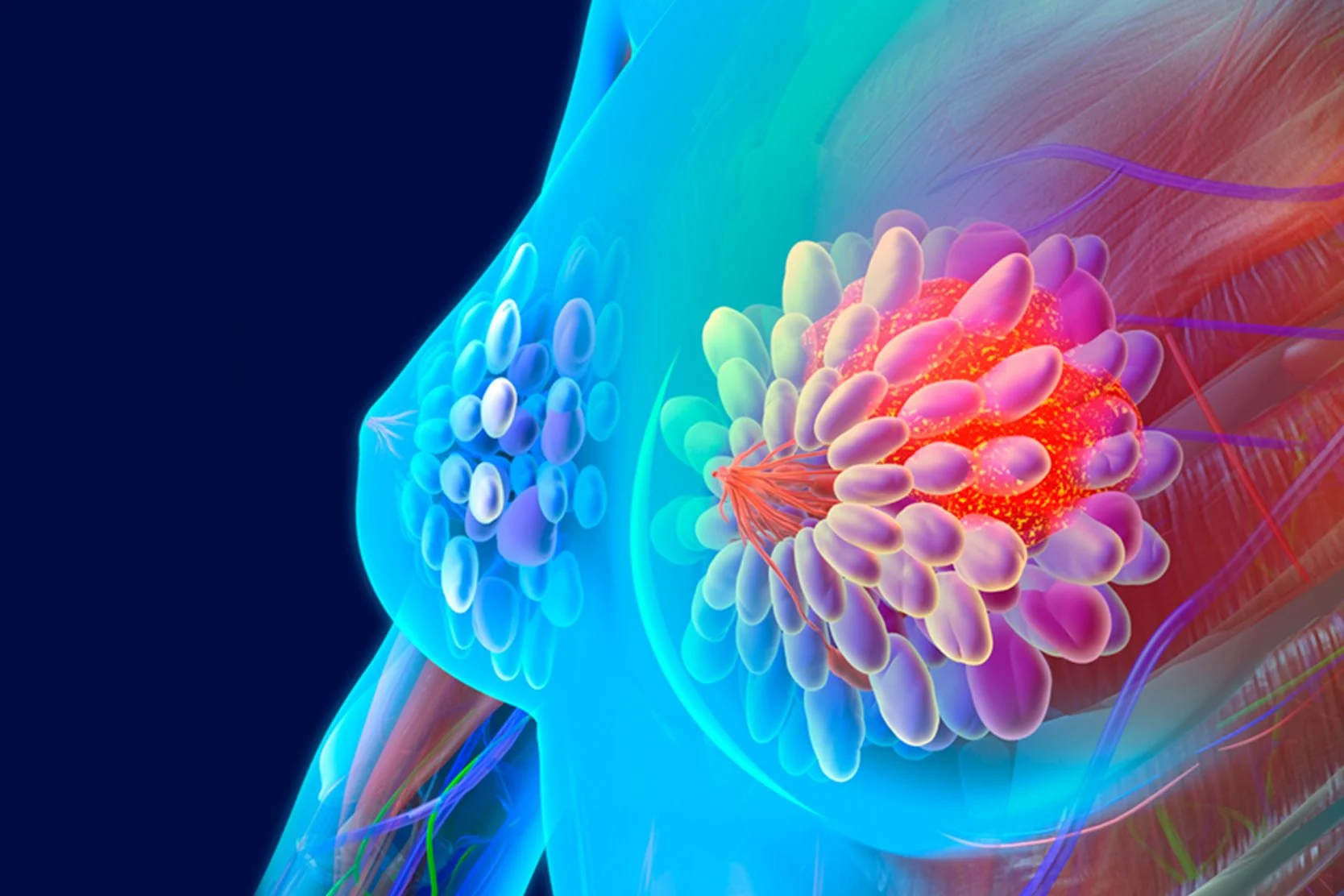
Basic Facts About Breast Health: Breast Anatomy
Breasts are made up of several parts, including lobes, ducts, fat and vessels. Read here to learn more about breast anatomy and breast health.
Basic Facts About Breast Health: Breast Cancer Biology
Get the facts about breast cancer. In this overview, we explain what cancer is, how it spreads, what causes breast cancer and how it is staged.
American Cancer Society Breast Health Guidelines
Find out why the American Cancer Society recommends mammography, clinical exams and breast self-exams as the best methods for early detection.
Basic Facts About Breast Health: Breast Self Exams
Learn how to check your breasts for lumps and other changes. Do a breast self-exam every month and talk to your doctor about any breast changes.
Basic Facts About Breast Health: Mammograms
A mammogram is a low-dose X-ray of the breast and an important part of screening for breast cancer. Learn more about the different types of mammography.
Lifestyle Changes for Breast Cancer Prevention
Find out how lifestyle changes, such as quitting smoking, getting more sleep and reducing stress might reduce breast cancer risk.
Nutrition for Breast Cancer Prevention
Supporting your body with nutritious food can help you stay healthy and may help prevent breast cancer. See our list of dietary recommendations.
Recommended reading

Breast Cancer Glossary
This comprehensive glossary of breast cancer terminology includes helpful definitions of everything from AC chemotherapy to X-ray.
Breast Cancer Risk Factors
Some people have a higher risk of developing breast cancer than others. Find out what factors increase risk, including those we can and cannot change.
Self-Care and Recovery
Self-Care and recovery resources including an Introduction to Lifestyle Change, Nutrition and Breast Cancer, Hydration: Water and Health, Meditation and more.
Follow-Up Care for Breast Cancer Patients
After completing early-stage breast cancer treatment, here’s what to expect for follow-up exams, mammograms and other screening tests.
Preparing for a Lumpectomy or Mastectomy
Here’s how to prepare for a lumpectomy or mastectomy, including arrangements you should make before surgery, what to eat and items to bring to the hospital.
Menopause and Breast Cancer
Breast cancer treatment often causes premature menopause and can trigger certain side effects. Find out how to deal with menopause symptoms.
Metastatic Breast Cancer: Diagnosis and Treatment
Metastatic breast cancer is cancer that originated in the breast and has spread to other parts of the body. Learn what may affect treatment options.
Navigating Breast Care
No matter what kind of breast care you need, you can find resources and guidance to support your breast health.
UCSF Health medical specialists have reviewed this information. It is for educational purposes only and is not intended to replace the advice of your doctor or other health care provider. We encourage you to discuss any questions or concerns you may have with your provider.