
Folate
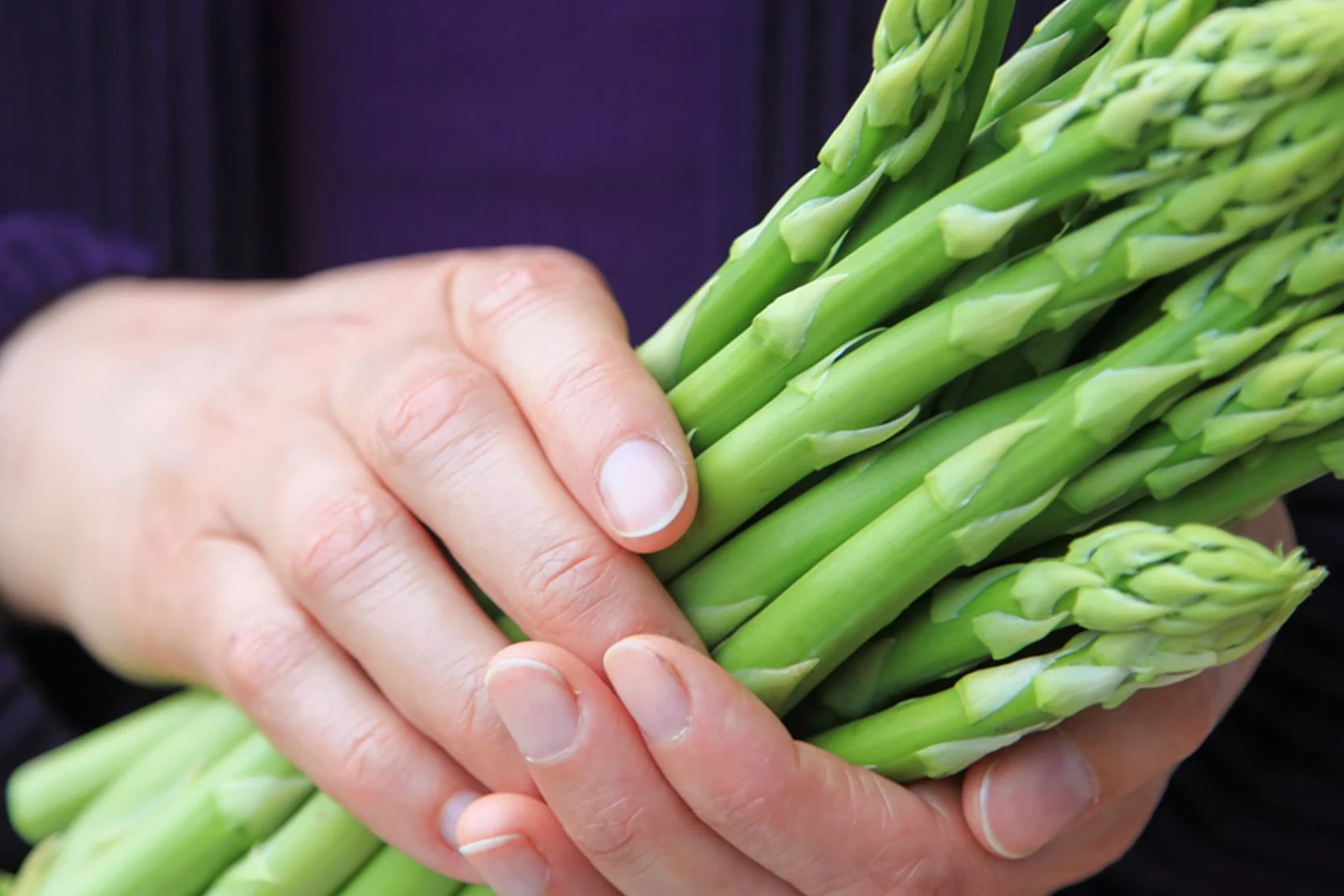
The dietary reference intake for folate, or folic acid, is 400 micrograms (mcg) per day. Many people fall short of this goal.
Anemia may result from folate deficiency. For women, folate needs increase during pregnancy, and there is concern that, later in life, the incidence of cervical cancer may increase with folate deficiency. Excessive alcohol consumption increases a person's risk for folate deficiency.
Food sources rich in folate
|
Food |
Serving size |
Amount of folate |
|
Chicken livers* |
1 cup |
1075 mcg (shimmered) |
|
Wheat germ** |
1 cup |
300 mcg |
|
Legumes |
1 cup |
200–350 mcg |
|
Nuts and seeds*** |
1 cup |
200–300 mcg |
|
Fortified breakfast |
1 cup |
up to 450 mcg |
|
Brewer's yeast |
1 tbsp |
300 mcg |
|
Cooked greens |
1 cup |
150–200 mcg |
|
Asparagus |
1 cup |
250 mcg |
|
Orange juice |
1 cup |
100 mcg |
* Chicken livers are high in dietary cholesterol.
** Wheat germ is high in calories in large amounts.
*** Nuts and seeds are high in dietary fats and calories.
Recommended reading

Anemia and Pregnancy
During the last half of pregnancy, your body makes more red blood cells, which can cause anemia. Discover symptoms of anemia and how to prevent it.
Calcium Content of Foods
Check out this list of calcium-rich foods. Find a breakdown of calcium content in various vegetables, fruits, nuts, legumes, grains, fish and more.
Coping With Common Discomforts of Pregnancy
Learn about common discomforts you may experience during pregnancy and how to cope with them, including nausea, constipation, fatigue and heartburn.
Diabetes in Pregnancy
Learn about diabetes diagnosed during pregnancy (gestational diabetes), including blood sugar control, diet tips and what to expect after your baby is born.
Eating Right Before and During Pregnancy
Fuel your body with the nutrients it needs before and during pregnancy. Follow these dietary guidelines during preconception and pregnancy.
Exercise During Pregnancy
Moderate exercise during pregnancy is beneficial for most people. Find out how to exercise safely during pregnancy.
Gestational Diabetes: Counting Carbs
Counting carbohydrates due to gestational diabetes? Simplify menu planning with these meals that contain 30 grams of carbs.
Getting Enough Calcium
Understand the importance of calcium and which foods and beverages can help you get the recommended amount per day.
Nutrition Tips for Breastfeeding Mothers
Your nutrition needs to change while you’re breastfeeding. Learn what to eat to fuel your body while you nourish your baby.
UCSF Health medical specialists have reviewed this information. It is for educational purposes only and is not intended to replace the advice of your doctor or other health care provider. We encourage you to discuss any questions or concerns you may have with your provider.