
Hemorrhoids

Hemorrhoids are part of the normal anatomy of the anus and lower rectum. They act as cushions to protect the anal skin from the passage of stool. Hemorrhoids usually are not a problem, but they can become a problem if they swell, bleed or protrude – come out of the rectum to the outside of the anus.
Hemorrhoids are either inside the anus, called internal, or under the skin around the anus, called external. Hemorrhoids that come from the inside are covered with the lining of the rectum, called mucosa, and those that are on the outside are covered with skin. Sometimes the internal hemorrhoids are connected to external hemorrhoids.
With increased pressure that can be caused by pregnancy, obesity, heavy lifting and chronic straining to have a bowel movement, hemorrhoids may become problematic.
Symptoms
Although many people have hemorrhoids, not all experience symptoms. Internal hemorrhoids may cause bright red blood in the toilet bowl, a feeling of fullness or discomfort, or mucus discharge. They also can protrude, or pop out, with a bowel movement; usually, they return to the inside by themselves.
External hemorrhoids are felt as a lump near the anus that can cause pain. The lump is caused by a blood clot, causing a purple-blue color.
Because bleeding can be a symptom of cancer in the colon or rectum, a colonoscopy may need to be done before we will treat your hemorrhoids. This is a diagnostic procedure that uses a lighted, flexible tube inserted through the rectum. If you have a family history of cancer, are over age 50 or have other symptoms or risk factors, this test can catch colorectal cancer when it is small. This procedure is done as an outpatient basis. Small numbers of people who have had this operation may leak gas or stool.
Treatment
At-home treatments
There are several ways to treat hemorrhoids. The best way may be to relieve the symptoms and prevent the hemorrhoids from becoming problematic. This is best done by:
- Taking a warm tub or sitz bath several times a day in plain, warm water for about 10 minutes
- Using ice packs to reduce swelling
- Ensuring regular, soft bowel movements by eliminating foods that lead to constipation, adding fiber to your diet, drinking lots of fluids and exercising regularly
- Spending less time on the toilet
- Trying to have a bowel movement when you get the urge rather than holding it
Hemorrhoid procedures
If your hemorrhoids do not respond to the above therapies, or are already very problematic, there are a number of other treatments options, including:
Rubber band ligation
Also called banding, this involves placing a very small rubber band around the base of the hemorrhoid inside the rectum. The band cuts off circulation and the hemorrhoid withers away within seven to 10 days. This leaves a scar that prevents further bleeding and prolapse. This is usually done in the office but sometimes it is done in surgery.
What to expect from banding:
- Bleeding in seven to 10 days when the hemorrhoid falls off
- Bleeding with bowel movements
- A dull ache and fullness in the rectum – apply an ice pack to help relieve this
- If you have increased pain, fever and difficulty urinating you must return to the hospital immediately for removal of the rubber band
- Avoid aspirin and non-steroidals (Ibuprofen-type pain pills) for 10 days
- You may return to daily activities right away
Sclerotherapy
A chemical solution is injected around the blood vessel to shrink the hemorrhoid. This causes inflammation and scarring. This is done in the office but has a higher chance of only working temporarily. You may return to daily activities right away.
Hemorrhoidectomy
When hemorrhoids are severe, extensive, prolapsing or incarcerated, they may require removal by surgery known as hemorrhoidectomy. This is done under anesthesia. Because there is a risk of causing permanent damage to the sphincter – the muscle that controls your bowel movements – this operation is only done if absolutely necessary.
What to expect from hemorrhoidectomy:
- You will experience a lot of discomfort from this procedure and you will not be able to return to regular activities for five to 10 days.
- If you are unable to urinate after the procedure, you must call your doctor.
- Avoid Aspirin and non-steroidal pain medications (like Ibuprofen) for 10 days.
- Warm baths will be soothing.
- The first several bowel movements can cause bleeding and pain. Narcotics for pain control and stool softeners will be necessary.
Thrombosed external hemorrhoids
When an external hemorrhoid develops, it can be treated with excision, or cutting open, of the hemorrhoid or clot if you are able to be seen within the first 24 hours of pain. After that, the hemorrhoid will begin to go away on its own and cutting it open will not help it heal more quickly. Warm baths are very helpful for this.
Creams and suppositories
You may have noticed that there is no mention of creams or suppositories in this handout. We believe that these may help but they also can cause problems. The anal area prefers to be dry and because it is a very sensitive area, it can develop allergies to some preparations.
Fiber
A high-fiber diet will help you have soft, regular bowel movements. Also, the best time to have a bowel movement is when your body gives you an urge to go – this will minimize problems with hemorrhoids, fissures, itching and other common colon, rectal and anal problems.
A diet high in fiber has about 25 to 30 grams of fiber per day. For information on how to increase your fiber through diet, please see Increasing Fiber Intake. For information on using supplements, please see Fiber Supplements.
Recommended reading

After Anal and Rectal Surgery
Take care of yourself as you recover from anal or rectal surgery. Learn about pain control, caring for the surgical site and follow-up care with your surgeon.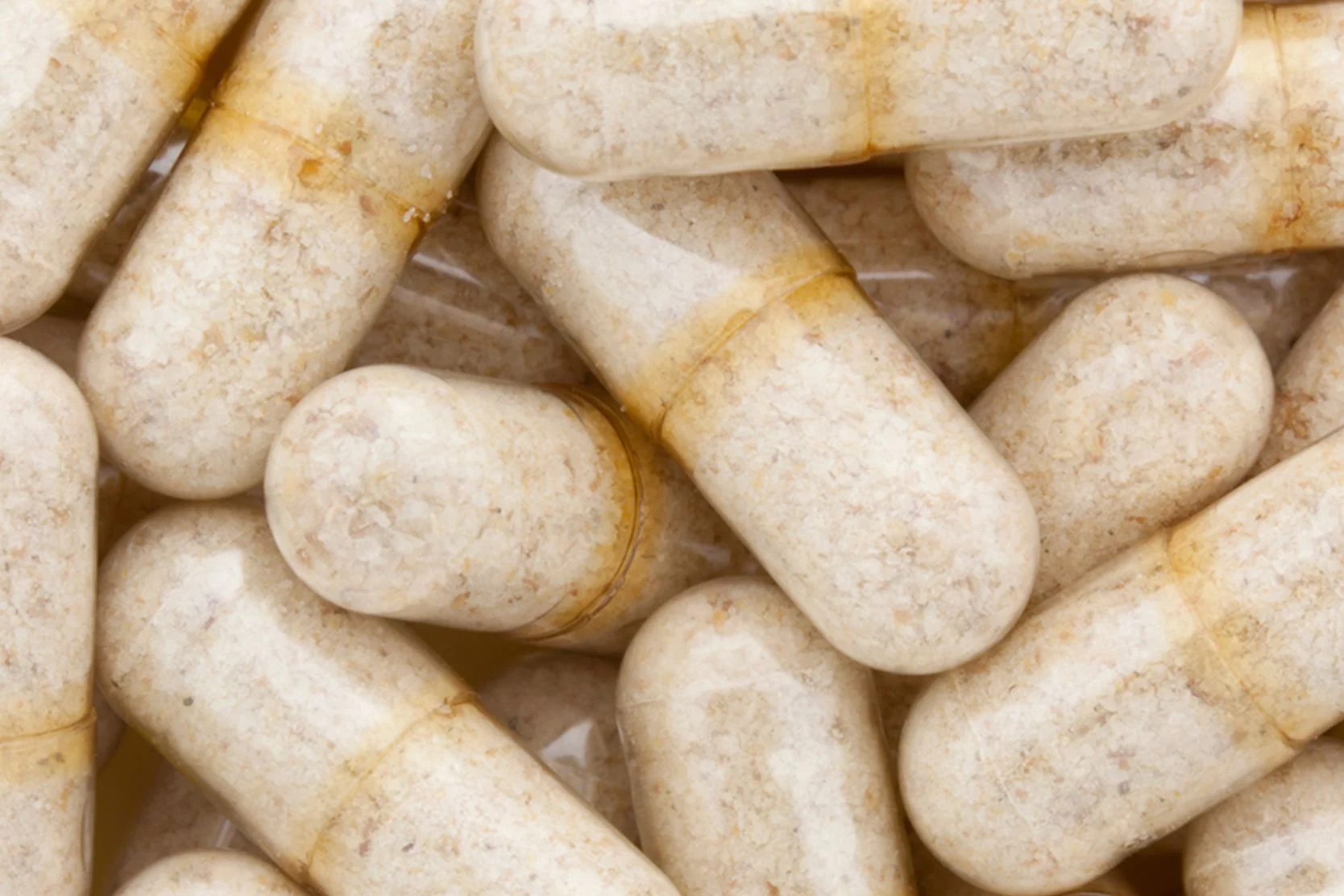
Fiber Supplements
A high-fiber diet has about 25 grams of fiber per day. Learn how supplements may help increase your fiber intake and which types to consider.
Increasing Fiber Intake
A high-fiber diet reduces your risk of developing several diseases, supports digestive health and lowers cholesterol levels. Find out how to eat more fiber.
UCSF Health medical specialists have reviewed this information. It is for educational purposes only and is not intended to replace the advice of your doctor or other health care provider. We encourage you to discuss any questions or concerns you may have with your provider.