
Taking Charge: What Is Breast Cancer?

Breast cancer is a malignant tumor that develops from cells of the breast. Although men occasionally get the disease, it is considered a "women's cancer."
Many women develop breast lumps, and most are benign (not cancerous). In these cases, the lump is usually caused by fibrocystic changes — formation of fluid-filled sacs (cysts) and scarring in the connective tissue that supports the breast.
If a lump or other breast abnormality is cancer, it may be noninvasive or invasive. Noninvasive cancer is a very early cancer that has not spread beyond the duct. Invasive cancer has spread from the duct into surrounding breast tissue and may have spread to the lymph nodes. Metastatic breast cancer has spread from the breast to other parts of the body.
Invasive breast cancers
Invasive breast cancers include:
- Infiltrating (or invasive) ductal carcinoma (IDC). This type of disease accounts for 80 percent of all invasive breast cancers. This is a cancer that has broken through the wall of the duct and invaded fatty tissue. It has the potential to spread, or metastasize, to other parts of the body. This can occur through the bloodstream or through the lymphatic system.
- Infiltrating (or invasive) lobular carcinoma (ILC). This accounts for 10 percent to 15 percent of invasive breast cancers. ILC most often starts in the glands where milk is produced. It looks different under a microscope than ductal carcinoma, and has the potential to spread elsewhere in the body. It can be more difficult to detect with a mammogram or physical exam than IDC.
- Inflammatory breast cancer. This rare disease accounts for about 1 percent of all breast cancers. This is an aggressive and fast-growing cancer that makes the skin of the breast look red and feel warm, as if it were infected. The skin has a thick, pitted appearance, caused by cancer cells blocking lymph vessels or channels in the skin over the breast.
Other, relatively rare types of invasive breast cancer that have a better prognosis — meaning expected outcome — than the invasive cancers listed above are medullary carcinoma (accounting for 5 percent of breast cancers), tubular carcinoma (accounting for 2 percent) and mucinous carcinoma. Paget's disease of the nipple is cancer that spreads from the breast ducts into the skin of the nipple and the areola, the dark area around the nipple. It accounts for 1 percent of breast cancers. Phyllodes tumor is an uncommon breast tumor that forms in the stroma, or connective tissue of the breast.
Noninvasive breast cancers
Tests such as mammography, or X-rays of the breast, allow doctors to see tiny growths which may not ever spread to other tissues. These noninvasive growths, in which cancer cells have not broken through the duct into other parts of the breast, account for 15 percent to 20 percent of the breast "cancers." Other terms that are used for noninvasive breastcancer are carinoma in situ or Stage 0 breast cancer.
Noninvasive breast cancers sometimes change over time into invasive disease. Decisions about how to treat noninvasive breast cancer are based on their potential for change.
Noninvasive breast cancers include:
- Ductal carcinoma in situ (DCIS). This is the most common type of noninvasive breast cancer. "In situ" means the growth is confined to the immediate area in which it began, so ductal carcinoma in situ is cancer that is confined to the milk ducts. In DCIS, cancer has not spread to the fatty tissue of the breast or elsewhere in the body.
Doctors think that most types of DCIS are not likely to turn into invasive cancer, but some types do. For this reason, your doctor will probably recommend treating DCIS as though it might become invasive — removing the affected area surgically. DCIS is usually found with a mammogram, but may also occur in a breast lump. - Lobular carcinoma in situ (LCIS). LCIS is a noninvasive growth in the milk lobules of the breast. It does not become cancer, but women with the condition do sometimes develop other invasive cancers in the same or opposite breast. LCIS is therefore considered a marker of increased breast cancer risk, and women with this condition should have regular mammograms and clinical examinations.
Read More
- Next section of Taking Charge: Who gets breast cancer?
Return to the Taking Charge Index
- Breast Cancer Risk Factors
- If You Are at High Risk for Breast Cancer
- Screening for Breast Cancer
- How Is Breast Cancer Diagnosed?
- How Is Breast Cancer Treated?
- What Is Ovarian Cancer?
- Who Gets Ovarian Cancer?
- If You Are at High Risk for Ovarian Cancer
- Screening for Ovarian Cancer
- How Is Ovarian Cancer Diagnosed?
- How is Ovarian Cancer Treated?
- Living with Ovarian Cancer
- Diet, Lifestyle and Cancer
- Glossary of Terms
Recommended reading

Basic Facts About Breast Health
Learn about breast health, including breast anatomy, breast cancer screening and lifestyle changes to help prevent breast cancer.
Breast Cancer Glossary
This comprehensive glossary of breast cancer terminology includes helpful definitions of everything from AC chemotherapy to X-ray.
Breast Cancer Risk Factors
Some people have a higher risk of developing breast cancer than others. Find out what factors increase risk, including those we can and cannot change.
Self-Care and Recovery
Self-Care and recovery resources including an Introduction to Lifestyle Change, Nutrition and Breast Cancer, Hydration: Water and Health, Meditation and more.
Follow-Up Care for Breast Cancer Patients
After completing early-stage breast cancer treatment, here's what to expect for follow-up exams, mammograms and other screening tests.
Preparing for a Lumpectomy or Mastectomy
Here’s how to prepare for a lumpectomy or mastectomy, including arrangements you should make before surgery, what to eat and items to bring to the hospital.
Menopause and Breast Cancer
Breast cancer treatment often causes premature menopause and can trigger certain side effects. Find out how to deal with menopause symptoms.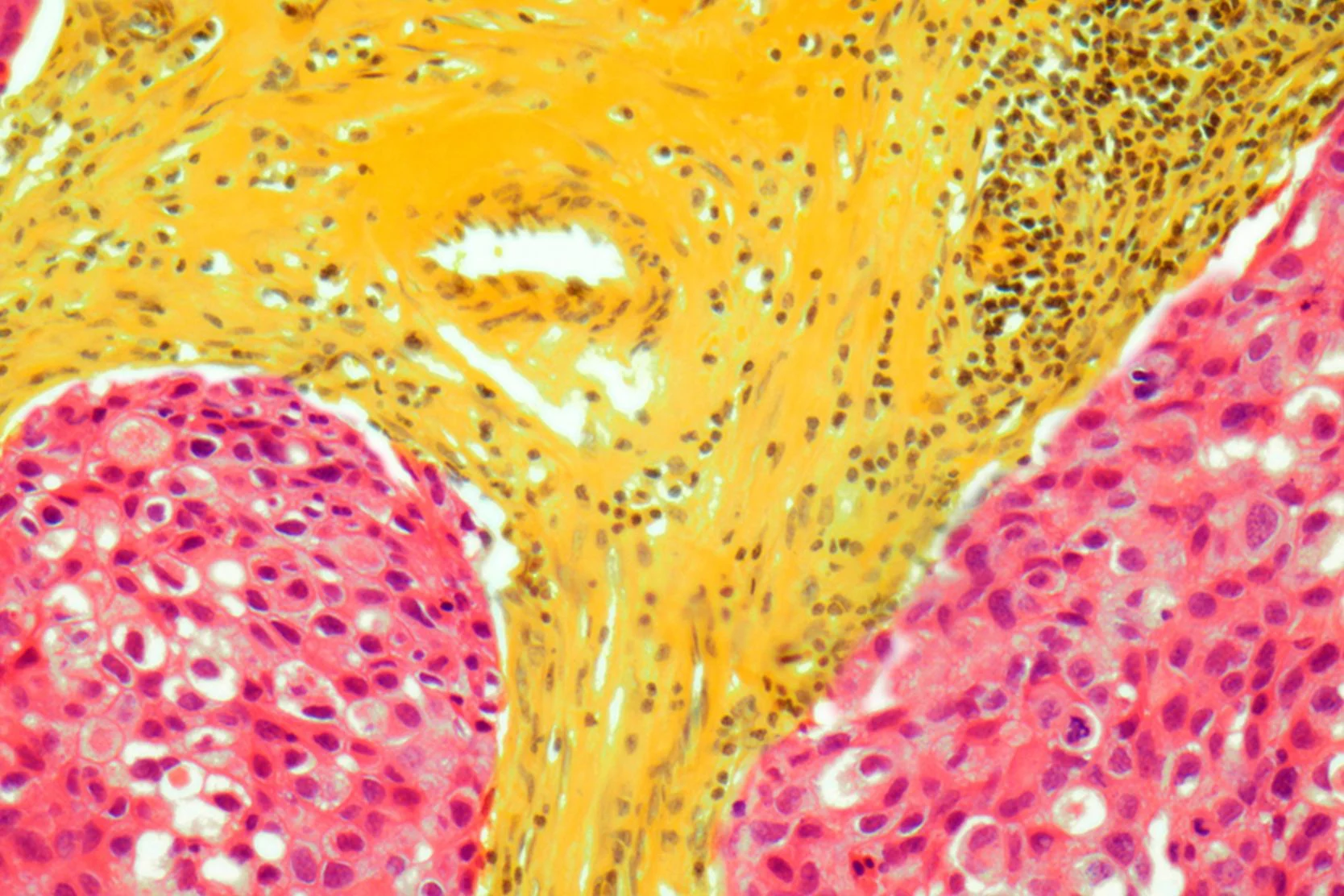
Metastatic Breast Cancer: Diagnosis and Treatment
Metastatic breast cancer is cancer that originated in the breast and has spread to other parts of the body. Learn what may affect treatment options.
Navigating Breast Care
No matter what kind of breast care you need, you can find resources and guidance to support your breast health.
Osteoporosis and Breast Cancer
Having had breast cancer increases your risk of developing osteoporosis. Find out how we diagnose osteoporosis using a bone mineral density (BMD) test.
Radiation Therapy for Breast Cancer
Learn about radiation therapy for breast cancer, including what to expect during treatment and how to care for yourself between sessions.
UCSF Health medical specialists have reviewed this information. It is for educational purposes only and is not intended to replace the advice of your doctor or other health care provider. We encourage you to discuss any questions or concerns you may have with your provider.