
West Nile Virus
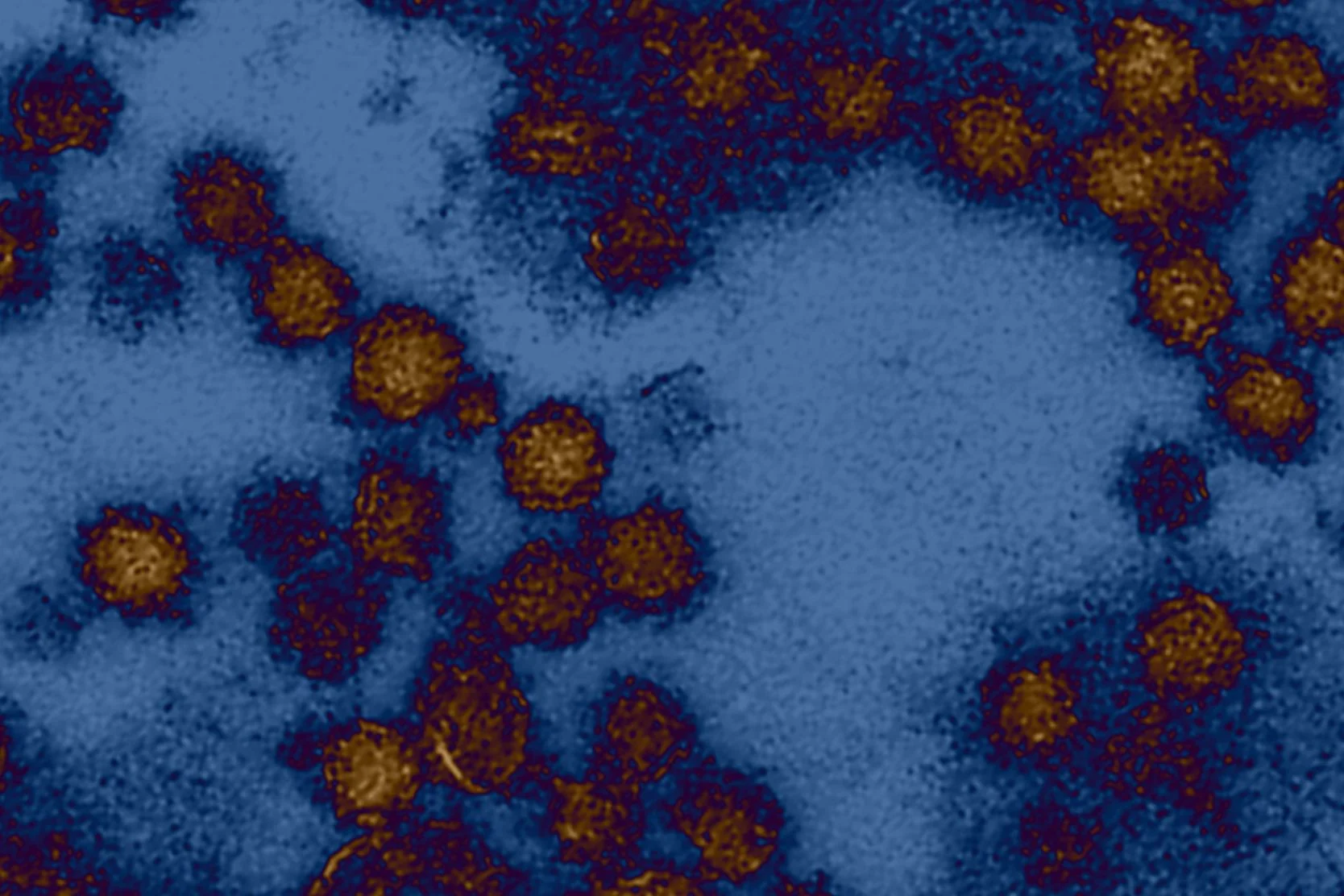
West Nile virus is commonly found in Africa, West Asia and the Middle East. It is closely related to St. Louis encephalitis virus, which also is found in the United States. It is not known how long WNV has been in the U.S., but scientists at the Centers for Disease Control and Prevention (CDC) believe the virus has probably been in the eastern U.S. since the summer of 1999, possibly longer.
The virus can infect humans, birds, mosquitoes, horses and some other mammals. Most North Americans are susceptible to the virus, although a few may be immune. It is important to note that most individuals exposed to WNV through mosquito bites do not develop any symptoms or if they do, only develop mild viral symptoms.
Because the spread of West Nile virus is closely linked to mosquitoes, it is considered a seasonal epidemic that flares up in the summer and continues into the fall.
Prevention
Prevention is the best way to protect yourself and your family from West Nile virus. According to the Centers for Disease Control and Prevention (CDC), fighting mosquito bites is key to reducing your risk of getting WNV and there are many ways to reduce your risk:
- Avoid bites
- Clean out the mosquitoes from the places where you work and play
- Help your community control the disease
Below are more tips for reducing your exposure to mosquitoes.
Avoid Bites
- Apply insect repellent containing DEET
- Cover up with clothes to help reduce mosquito bites, particularly ankles and wrists and the back of the neck
- Reduce the time you spend outside during peak mosquito time, especially at dawn and dusk
Mosquito-Proof Your Home
- Drain standing water, where mosquitoes like to breed. Mosquitoes breed wherever there is standing water such as puddles, ditches and containers. A small amount of water can hatch thousands of mosquitoes within one week.
- Make sure that doors and windows have tight-fitting screens with no tears and holes
Help Reduce the Risk in Your Community
- Report dead birds – especially crows, ravens, magpies or jays – to local authorities for pick-up and testing. Do NOT pick up a dead bird with your bare hands.
- Work with local mosquito control programs
- Look for and remove standing water in your neighborhood
San Francisco Efforts
The San Francisco Department of Public Health has alerted and mobilized groups such as the Public Works Department, Caltrans, the National Park Service, the zoo and all campuses, including UCSF, to look for the presence of West Nile virus. These groups are working to establish and implement a mosquito inspection, prevention and abatement program.
Mosquito Abatement Program at UCSF
The UCSF Office of Environmental Health and Safety and Facilities Management have implemented a mosquito surveillance, prevention and abatement program to protect the UCSF Medical Center and campus communities. This program includes scheduled inspections for standing water and possible mosquito breeding grounds and clean up of standing water as well as pest control services if needed.
Transmission
West Nile virus is rarely transmitted from one human to another but rather is spread through the following:
- Infected Mosquitoes Generally, WNV is spread by the bite of an infected mosquito. Mosquitoes become infected when they feed on infected birds. Crows, jays, ravens and magpies are particularly susceptible to WNV. Horses also are susceptible. The virus lives in the mosquito and is transmitted to a new host in the mosquito's saliva when the insect bites a person or animal. The virus is most prevalent from May to October when mosquitoes are most abundant.
- Transfusions, Transplants and Mother-to-Child In a very small number of cases, WNV also has spread through blood transfusions and organ transplants, as well as from mother to baby though breastfeeding and during pregnancy.
Human to human transmission does not occur through breathing or by touching, kissing or sexual contact.
Symptoms
Approximately 80 percent of people who are infected with West Nile virus will not show any symptoms at all.
Approximately 20 percent of those infected will develop West Nile fever, symptoms of which can include:
- Fever
- Headache
- Body aches
- Nausea
- Vomiting
Sometimes swollen lymph glands or a skin rash on the chest, stomach and back also accompany the fever.
About one in 150 people infected with WNV will develop severe illness. The severe symptoms can include:
- High fever
- Headache
- Neck stiffness
- Stupor or coma
- Disorientation
- Tremors or convulsions
- Muscle weakness
- Vision loss
- Numbness and paralysis
These symptoms may last several weeks and neurological effects may be permanent.
Diagnosis
If you develop symptoms of severe West Nile virus illness, such as severe headaches or confusion, seek medical attention immediately.
To make a diagnosis of WNV, your doctor will ask about your medical history and assess your risk of exposure to the virus. People who live in or have traveled to areas where West Nile virus activity has been identified are at higher risk. In addition, those 50 years of age or older have the highest risk of developing a severe infection from the virus. If you are determined to be at high risk and have symptoms of West Nile, your doctor likely will draw blood to make a definitive diagnosis.
The most commonly used laboratory test measures antibodies that are produced very early in an infected person, called IgM antibodies, that can be measured in blood or cerebrospinal fluid (CSF), which is the fluid surrounding the brain and spinal cord. This test may not be positive when symptoms first occur but is positive in most infected people within eight days from the onset of symptoms.
Severe WNV illness usually requires hospitalization. Pregnant women and nursing mothers are encouraged to talk to their doctor if they develop symptoms that could be WNV.
The incubation period for West Nile virus is thought to range from three to 14 days. Symptoms generally last three to six days.
Treatment
There is no specific treatment for West Nile virus. In milder cases, people experience symptoms such as fever and aches that pass on their own. In more severe cases, people usually need to go to the hospital to receive supportive treatment including intravenous fluids, help with breathing and nursing care.
Approximately one in 150 infections will result in severe neurological disease, including encephalitis and meningitis. The most significant risk factor for developing severe neurological disease is advanced age.
Other Resources
Find more information about West Nile virus and what you can do to reduce your risk at the Centers for Disease Control and Prevention (CDC).
Source: This information was adapted from the Centers for Disease Control and Prevention (CDC) Web site: www.cdc.gov.
UCSF Health medical specialists have reviewed this information. It is for educational purposes only and is not intended to replace the advice of your doctor or other health care provider. We encourage you to discuss any questions or concerns you may have with your provider.