
Living Donor Kidney Transplant
On this page
What is living donor kidney transplant?
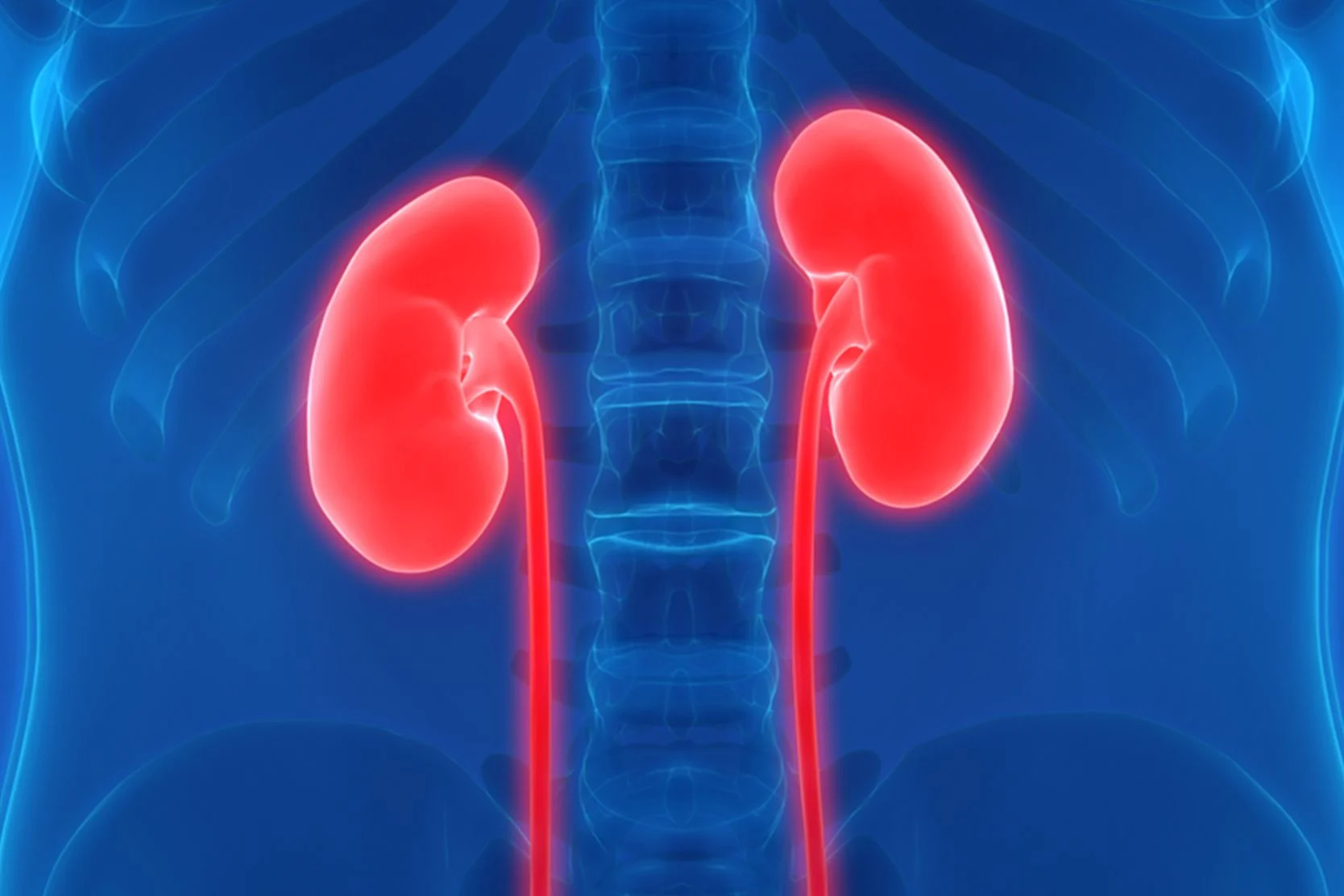
Kidneys for transplant may come from living or deceased donors. When a living person donates one of their kidneys, the remaining kidney grows slightly larger and does the same amount of work as the original pair.
A healthy person can donate a kidney to a family member, friend or stranger as long as their blood types are compatible. If a donor and recipient have incompatible blood types, arrangements such as a paired exchange, when two donors swap recipients, may be possible.
As with any major operation, there is a chance of complications. However, kidney donors have the same life expectancy, general health and kidney function as other healthy people who are not donors. Donating a kidney doesn't affect a woman's ability to have children.
Benefits of living kidney donation
For recipients, there are several advantages to having a living donor:
- Shorter wait times before transplant
- Ability to plan surgery at a convenient time
- Better chance of a successful transplant
- A lower risk of complications or organ rejection
Living kidney donor eligibility requirements
To be considered as a potential donor, you must be:
- At least 18 years old or an emancipated minor
- At or able to reach a BMI below 35 before surgery
- A nonsmoker or able to quit at least six weeks before surgery
- Not pregnant
- In good physical and mental health
- Able to understand the risks of surgery
- Able to follow instructions on surgery preparation and recovery
- Motivated by altruistic reasons
Living kidney donor evaluation process
To donate a kidney, you must successfully complete a full medical, surgical and psychosocial evaluation.
The evaluation includes tests to make sure that you and your recipient have compatible blood and tissue types. Some kidney failure patients have several compatible potential donors, while others have none. UCSF offers several programs to help patients with willing but incompatible donors. For more information on these programs, scroll down to “Options for incompatible kidney donors and recipients.”
Downloadable guide
First steps for kidney donors
Check your eligibility
Start with our quick, confidential online health history questionnaire to see if you may be eligible to donate a kidney.
Learn what to expect
Review detailed information about kidney donation in our informed consent PDF, including risks and what to expect at each step.
Living kidney donor surgery
UCSF has used a minimally invasive procedure called laparoscopic donor nephrectomy to remove kidneys from living donors since 1999. We have performed hundreds of these procedures, making our program one of the most experienced in the country.
We use this minimally invasive approach for almost all of our living donors. In rare cases, due to the donor's anatomy, the surgeon performs traditional open kidney donation surgery instead. The technique used does not affect the quality or function of the donated kidney.
Laparoscopic nephrectomy procedure
In a laparoscopic donor nephrectomy, the surgeon makes small incisions, using a thin, flexible scope equipped with a camera to see inside the body and wand-like instruments to remove the kidney. Compared with traditional donation surgery that uses large incisions, laparoscopic surgery has several advantages for donors:
- Less need for strong pain medications
- Shorter recovery time in the hospital
- Faster return to normal activities
- Very low complication rate
The operation usually takes three hours. Most patients stay in the hospital for one to two days and return to work in three to four weeks.
Open nephrectomy procedure
Open donor nephrectomy was the standard procedure for removing a living donor's kidney before the laparoscopic technique was developed.
The procedure involves making a 5- to 7-inch incision on the flank (the side of the body between the ribs and the hip), dividing the muscle and removing the tip of the 12th rib. The operation typically takes three hours. Donors usually remain in the hospital for four to five days and return to work in six to eight weeks.
Kidney donor recovery and follow-up care
After discharge from the hospital, you will receive follow-up care in the transplant clinic. If you don’t live in the San Francisco Bay Area, you should stay nearby for at least one week after discharge.
You don't need to take medication or follow special diets once you recover from surgery. However, your primary care physician needs to monitor your overall health, blood pressure and kidney function for the rest of your life.
Options for incompatible kidney donors and recipients
Many kidney failure patients have family members or friends who want to donate a kidney but can’t because of incompatible blood or tissue types. UCSF offers several programs to help these patients receive a kidney.
Paired exchange kidney transplant program
This program helps living donors ensure their friend or loved one receives a kidney even if their blood or tissue types don't match. It works by matching two recipients who have willing but incompatible donors. This type of exchange is sometimes referred to as a “family swap.”
Learn more about paired exchange kidney donation.
Advanced donation voucher program
This program allows living you to donate a kidney before your chosen recipient is medically ready for transplant. Your kidney will go to someone else on the waitlist, and your friend or loved one will receive a voucher that gives them priority on the waitlist once they’re ready for transplant surgery.
To reach our team, please send us an email at [email protected]. You will receive a response within two business days.
Awards & recognition
380+
Kidney transplants performed each year

More than 3,000 living donor kidney transplants performed

Best in Northern California for gastroenterology & GI surgery

Kidney transplant research

Studying long-term outcomes of kidney transplantsOpens in a new window
UCSF is part of the APOL1 Long-term Kidney Transplantation Outcomes (APOLLO) Network, a national study supported by the National Institutes of Health (NIH) that is working to address racial disparities in kidney transplant outcomes.
Patient stories
An organ donor's story: so fulfilling, he did it twice
Jason McCluney gave the gift of life twice by donating a kidney and a portion of his liver to two complete strangers.
Recommended reading
FAQ: Living Kidney Donor
Considering donating a kidney? Get answers to common questions, including the evaluation process, how to prepare for surgery and what to expect during recovery.
UCSF Health medical specialists have reviewed this information. It is for educational purposes only and is not intended to replace the advice of your doctor or other health care provider. We encourage you to discuss any questions or concerns you may have with your provider.