
Spinal Cord Stimulation

On this page
Overview
Spinal cord stimulation delivers mild electrical impulses to the spinal cord that interrupt pain signals to the brain, replacing them with a tingling sensation.
These impulses are generated by a small device that is implanted under your skin. The stimulation to the spinal cord is delivered from the device through insulated wires called leads, which are placed adjacent to the spinal cord. Using a handheld device that works like a remote control, you can adjust the stimulator to specific areas and levels of pain, depending on your activities and how your pain changes during the day.
Spinal cord stimulation can be used to treat patients with severe, chronic pain due to a variety of conditions, including failed back surgery/arachnoiditis, neuropathic pain/neuropathy and complex regional pain syndrome/reflex sympathetic dystrophy.
Every patient experiences different pain relief from spinal cord stimulation, though most successful cases have a 50 to 70 percent decrease in pain. This may help you return to a more active lifestyle and reduce your use of pain medications.
Preparation
There are two stages involved in the spinal cord stimulator procedure. The first is a trial stage, during which the leads are temporarily placed via needles to test the effectiveness of the device and whether you are comfortable with the tingling sensation it delivers. This is an outpatient procedure, and you will test the implant for approximately one week at home in your normal surroundings.
If you have a positive experience with the stimulator, we will perform a second procedure to permanently implant the device. This is a minor surgical procedure most often done as outpatient surgery, although your doctor may decide to have you stay overnight in the hospital, depending on your individual circumstances.
To prepare for both procedures:
- Please arrange to have someone drive you home after the procedure, as you will not be able to drive or operate machinery for at least 24 hours after the procedure.
- Do not eat or drink anything after midnight the night before the procedure, except for a small amount of water if needed to take medications on the day of the procedure.
- If you have diabetes and use insulin, you must adjust the dosage of insulin the day of the procedure. Consult the doctor who manages your insulin or diabetes medication for any necessary adjustments. Bring your diabetes medication with you, so you can take it after the procedure.
- If you take any blood-thinning medications or antiplatelet medications, these must be stopped with the permission of your doctor who manages these medications.
- Continue to take all other medications with a small sip of water. Bring all medications with you so you can take them after the procedure. It is important to note that you must not stop taking any medication without first consulting with your primary or referring doctor.
Procedure
During the implantation of the trial device, you will receive a local anesthetic to numb the area and mild sedation to keep you relaxed. Insulated wires, called leads, are carefully placed through a needle into the epidural space, which is adjacent to the spine. The wires are then connected to a stimulator that remains outside your body for the duration of the trial. The leads are easily removed through the skin at the end of the trial, with almost no discomfort.
If the device is successful at reducing your pain and you are comfortable with the tingling sensation it delivers, then you will have a permanent implantation procedure. This is very similar to the trial procedure. However, a small incision in the back is needed to allow the leads to be placed underneath the skin, and another small incision is needed for the stimulator to be implanted permanently under the skin, usually in the buttocks or abdominal area.
In most cases, the stimulator is barely visible underneath the skin. The stimulator usually has a rechargeable battery that lasts 5 to 10 years, depending on the model and how often it is used.
Recovery
Serious side effects and complications are uncommon. The most common problem is pain for a few days at the site where the wires and stimulator were inserted. This is normal and your doctor can prescribe pain relief for a few days until the pain subsides. Other complications include infection, bleeding, nerve injury, spinal cord injury, dural puncture or tear, and migration or breakage of the wire.
Most people return to light levels of activity several days after the procedure. Lifting, bending and twisting should be limited for up to two months to allow the leads to heal in an appropriate position without moving.
Related conditions & treatments
Conditions
- Chronic Pain
- Failed Back Surgery Syndrome
- Pain
- Neuropathy
- Complex Regional Pain Syndrome
- Scoliosis
Related treatments
CT-Guided Spinal Injections
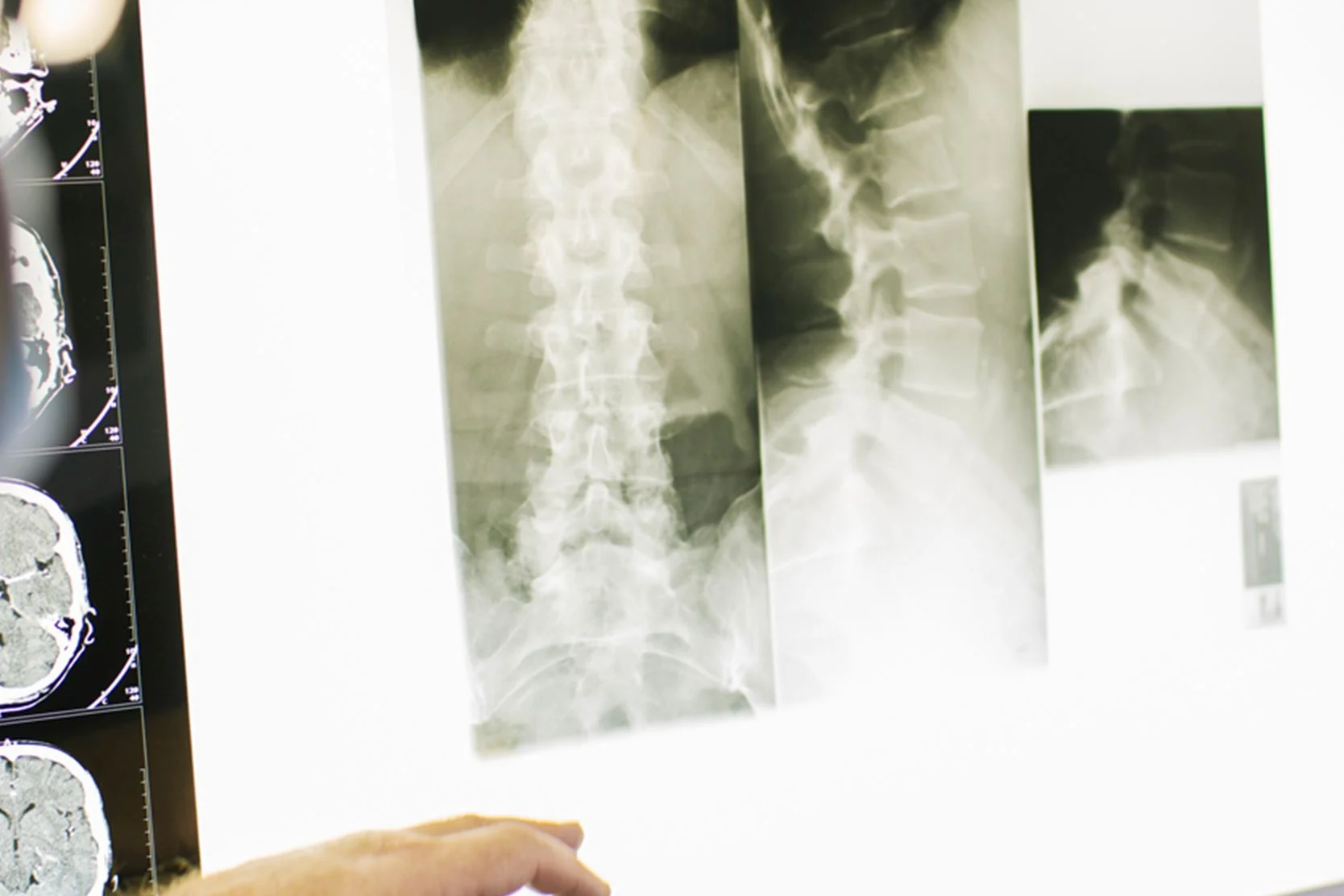
Recent advances in imaging technology now allow neuroradiologists to more accurately pinpoint the source of patients' back or neck painLearn more here.
Epidural Injections
Epidural injections are most often used to treat low back pain, chronic neck pain and lower and upper extremity pain caused by radiculopathy/sciatica.
Intrathecal Drug Delivery
Intrathecal drug delivery, also known as the "pain pump," uses a small pump to deliver pain medication directly to your spinal cord. Find more information here.
Joint Injections
Injury to the joints can cause pain in the legs, lower back, groin, buttocks, knees, shoulders and hips. Pain may occur from injury, simple wear and tear, etc.
Nerve Blocks
Your doctor may suggest a nerve block if other treatments, such as anti-inflammatory medicines, rest and physiotherapy were unsuccessful.Learn more here.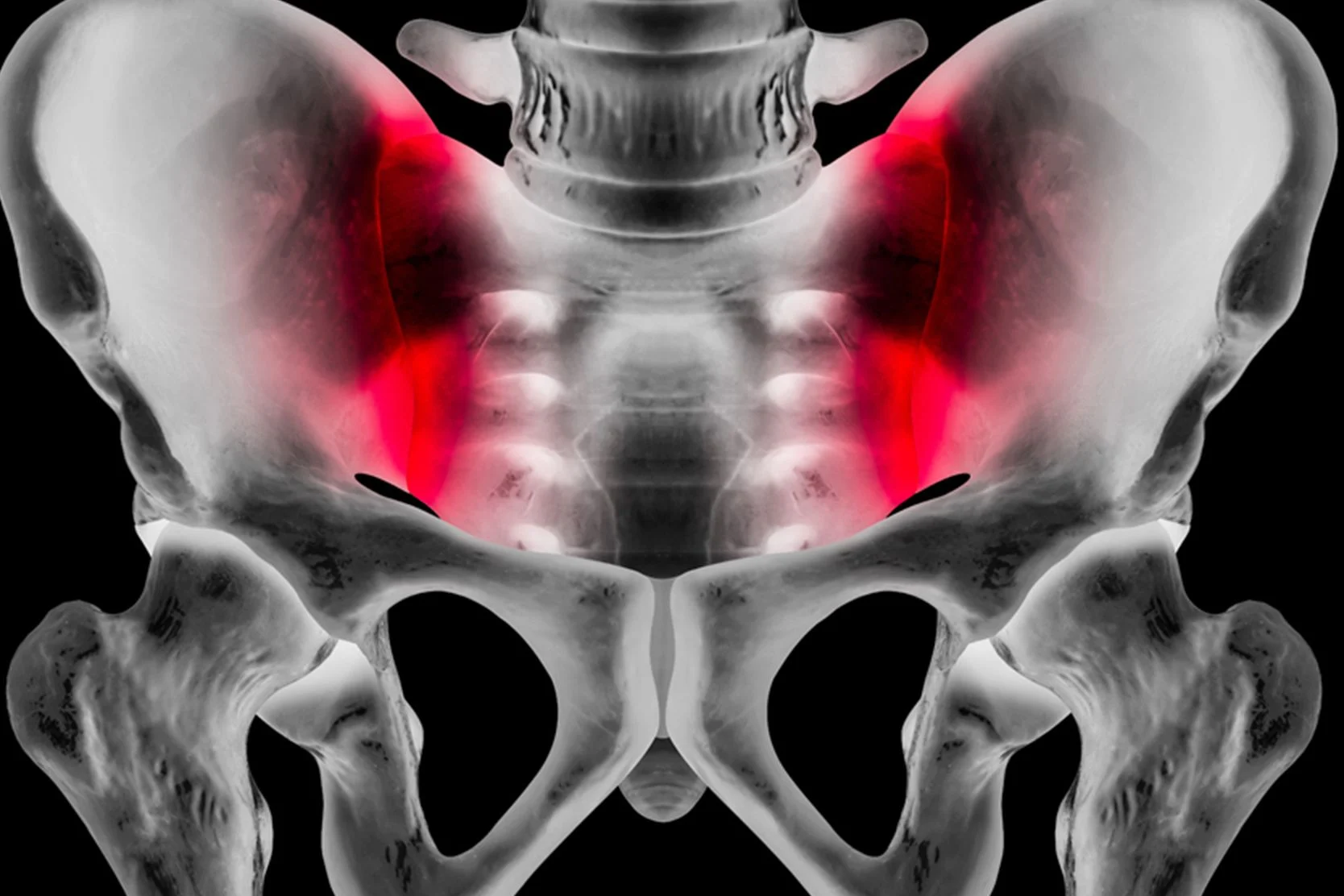
Radiofrequency Ablation
RFA typically targets pain from the facet and sacroiliac joints, which can contribute to chronic pain in the neck or lower back. Find more information here.
UCSF Health medical specialists have reviewed this information. It is for educational purposes only and is not intended to replace the advice of your doctor or other health care provider. We encourage you to discuss any questions or concerns you may have with your provider.