

Kidney Transplant Program
On this page
Get care
Why choose UCSF Health for kidney transplant?
At the UCSF Connie Frank Transplant Center, we care for patients before and after kidney and pancreas transplants. We are one of the largest kidney transplant programs in the U.S., performing over 400 kidney transplants yearly. We also have the largest living donor program on the West Coast. Our many satellite kidney transplant clinics care for patients throughout California and in Honolulu, Hawaii.
We welcome challenging cases. As a top referral center, we help patients with complex conditions who may have been turned away from other centers.
We've received national recognition and awards for our excellence in kidney transplant care, and our outcomes are among the best in the U.S. Through research and clinical trials, we are investigating ways to make transplants available to more patients, improve transplant safety and reduce rejection rates.
We understand the challenges of kidney transplant because we've helped thousands of patients through this process. A dedicated waitlist navigator prepares you while you're waiting for a kidney. Our specialized teams guide you and offer support every step of the way. They continue to stay involved in your care for years after your transplant.
Why choose UCSF Health for kidney transplant?
At the UCSF Connie Frank Transplant Center, we care for patients before and after kidney and pancreas transplants. We are one of the largest kidney transplant programs in the U.S., performing over 400 kidney transplants yearly. We also have the largest living donor program on the West Coast. Our many satellite kidney transplant clinics care for patients throughout California and in Honolulu, Hawaii.
We welcome challenging cases. As a top referral center, we help patients with complex conditions who may have been turned away from other centers.
We've received national recognition and awards for our excellence in kidney transplant care, and our outcomes are among the best in the U.S. Through research and clinical trials, we are investigating ways to make transplants available to more patients, improve transplant safety and reduce rejection rates.
We understand the challenges of kidney transplant because we've helped thousands of patients through this process. A dedicated waitlist navigator prepares you while you're waiting for a kidney. Our specialized teams guide you and offer support every step of the way. They continue to stay involved in your care for years after your transplant.
Get care
Outstanding outcomes
Our three-year survival rates for living and deceased donors are higher than the national averages for kidney transplants.Multi-organ transplant expertise
We have decades of experience performing complex, multi-organ procedures, such as pancreas-kidney, liver-kidney, heart-kidney and lung-kidney transplants.Specialized care team
Surgeons, transplant nephrologists, infectious disease experts, nurse coordinators, social workers, patient navigators and others help provide complete care.Innovation and researchOpens in a new window
We are working to offer transplants to people with complex conditions or a high degree of sensitization, aiming to improve outcomes, reduce rejection risk and personalize treatment.
Advanced kidney transplant care
At UCSF Health, you have access to all of our specialists and services, enabling seamless care before, during and after kidney transplant. We provide:
-
Dialysis. The UCSF Dialysis Center provides services for people living with chronic kidney failure while they await transplant.
-
Expanded pool of donor organs. We've developed techniques that make more donor organs available.
-
More options for loved ones. Through programs such as advanced donation and paired exchange, we enable more options for living donors to provide a lifesaving kidney.
-
Weight-loss procedures. We offer surgery to achieve weight loss to help people qualify for a kidney transplant. We use minimally invasive techniques, including laparoscopy, to perform procedures such as gastric bypass.
-
Support groups. Our kidney transplant groups offer community and support, welcoming transplant patients, their families and caregivers.
Many transplant centers turn care over to a patient's nephrologist six months after transplant. At UCSF Health, we continue to do checkups with our kidney transplant recipients many years after the procedure. We value these long-term relationships as much as our patients do.
COVID-19 and transplant patients
UCSF strongly encourages patients awaiting kidney and pancreas transplants to get vaccinated. We also recommend that patients awaiting organ transplants follow the guidelines for immunocompromised patients from the Centers for Disease Control and Prevention (CDC).
Locations
Providers

Allison Webber, MD
Nephrology • Transplant Nephrology
Nancy L. Ascher, MD, PhD
Transplant Surgery • Transplant Surgery (Kidney)
Deborah Adey, MD
Nephrology • Transplant Nephrology
Justin O. Oveyssi, DO, MBA
Nephrology • Transplant Nephrology
Awards for kidney transplant excellence
380+
Kidney transplants performed each year

living donor program on the West Coast
Among the top hospitals in the nation

Rated high-performing hospital for acute kidney failure care

"Elite" rating (highest) among designated programs of excellence
Best in Northern California and No. 8 in the nation for gastroenterology & GI surgery
Related conditions & treatments
Conditions
- Chronic Kidney Disease
Treatments
Give the lifesaving gift of a kidney
Research initiatives
UCSF Division of Transplant Surgery ResearchOpens in a new window
The UCSF Division of Transplant Surgery conducts research aimed at expanding medication options, refining surgical techniques and improving methods of preventing transplant rejection.
Patient education
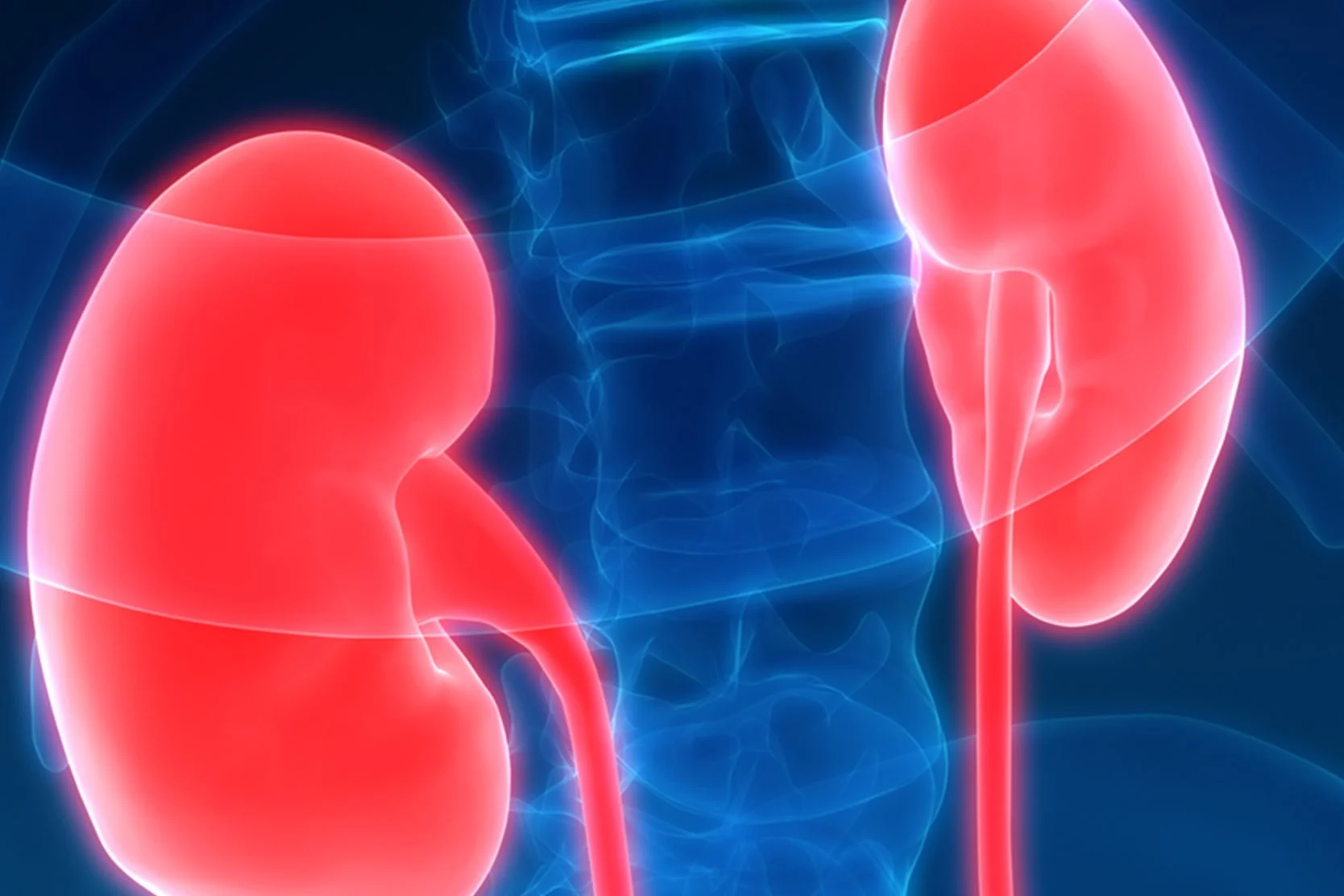
Considering donating a kidney? Get answers to common questions, including the evaluation process, how to prepare for surgery and what to expect during recovery.
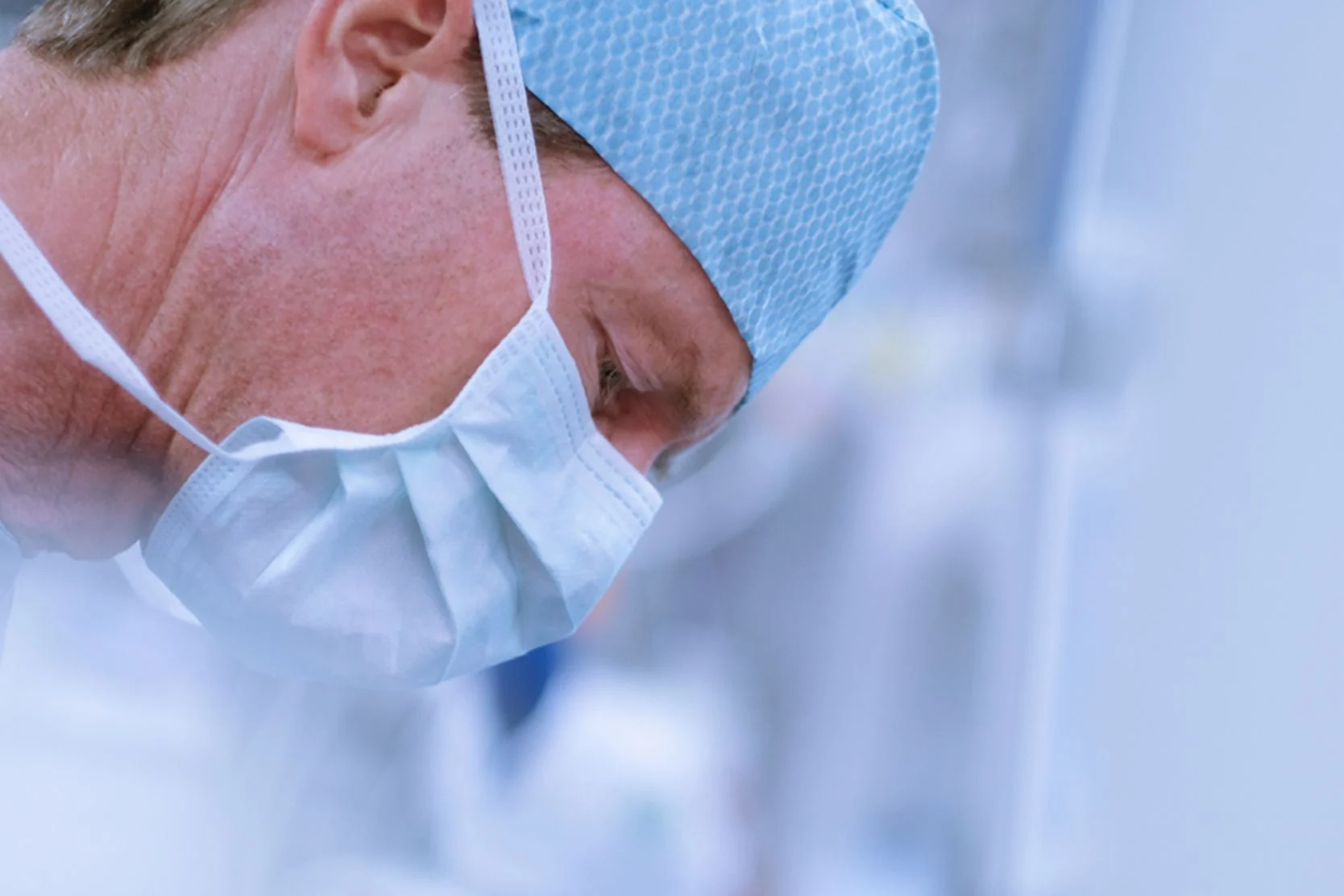
Find out how UCSF Health’s skilled surgeons can help you lose weight with gastric bypass, improving your chances of being a kidney transplant candidate.
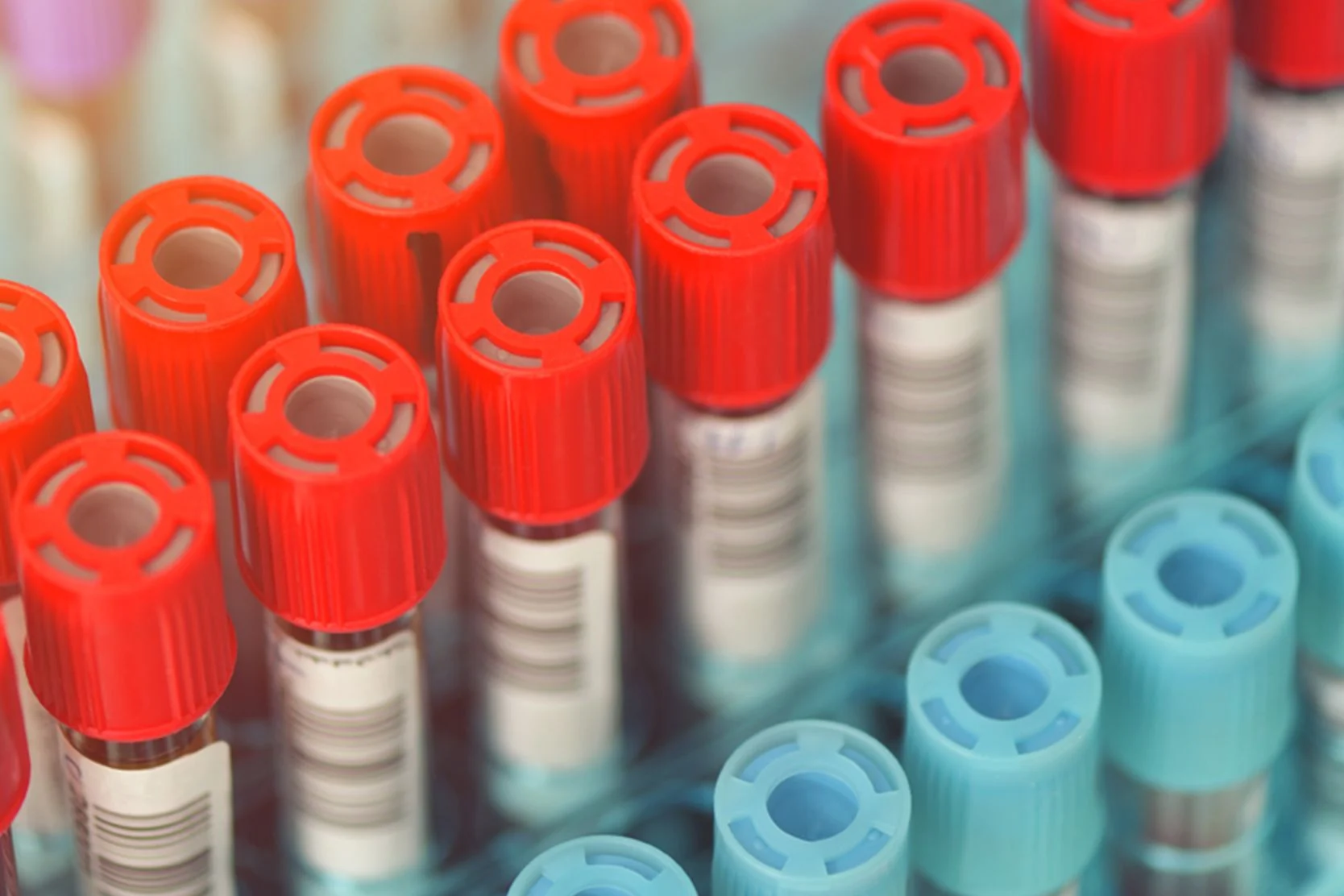
If you need a kidney transplant, your doctor will do several blood tests to help match a donor kidney to your body. See a list of transplant blood tests we use.
Support services

Case Management and Social Work
Connect with a team that can help you find resources, solve problems and advocate for you during treatment at UCSF.
Kôz Hospitality House
Kôz Hospitality House provides comfortable, reasonably priced accommodations near our Parnassus campus for UCSF patients during their treatment.
Mindfulness-Based Stress Reduction Class
This eight-week class teaches mindfulness practices that can reduce stress and improve your overall health, such as meditation and body awareness.
Organ Transplant Support Groups
Our heart, lung and liver transplant groups offer peer-based support for pre- and post -transplant patients, LVAD patients, families and caregivers.
Patient Relations
We welcome feedback about your experience at UCSF Health. Find out how to contact us with comments, questions or concerns.
Spiritual Care at UCSF
Chaplains representing many faiths are available around the clock to provide support, comfort and counsel to patients, families and caregivers.

A daughter gives her dad a life-saving gift
Clinical trials
Kidney Transplantation From Donors With HIV: Impact on Rejection and Long-Term Outcomes (Expand...Opens in a new window
Proportion of participants who die or have graft rejectionDaratumumab and Belatacept for DesensitizationOpens in a new window
Proportion of subjects who have not met a subject stopping rule, and remain free of all of the following through 26 weeks after starting treatment or until receiving a transplant, whichever occurs earlier: 1. Grade 3 or higher...Parathyroid Allotransplant for Treatment of HypoparathyroidismOpens in a new window
The primary efficacy endpoint is attainment of levels of intact PTH that are in the normal target range and at least a doubling of the baseline intact PTH level prior to transplantationKIDney Injury in Times of COVID-19 (KIDCOV)Opens in a new window
The 12-month continuous, quantitative Kidney Injury Test (KIT) score, measured on a scale of 0-100, where a higher urine-based KIT score correlates to worse kidney injury.Optimizing Liver MRI Using Breath-Holding With and Without OxygenOpens in a new window
Image quality of liver MRI scans will be assessed by quantifying the degree of respiratory motion artifacts under two breath-holding conditions: Functional Residual Capacity (FRC) alone and FRC with oxygen supplementation. Reduced...

International Services
If you live outside the United States and are coming to UCSF for medical treatment, our patient liaisons can help coordinate all aspects of your visit.
Interpreting Services
UCSF offers interpreters in various languages, including American Sign Language (ASL), as well as services for deaf, hard-of-hearing and visually impaired patients.
Your Hospital Stay
Make your hospital stay as smooth and comfortable as possible by finding out how to prepare and what to expect.
10 Ways to Get the Most Out of Your UCSF Doctor Appointment
Whether it's a routine checkup or a visit for a complex issue, these 10 tips can help make your appointment as stress-free and helpful as possible.