


Mechanical Circulatory Support
On this page
Why choose UCSF Health for mechanical circulatory support?
UCSF Health experts implant small mechanical heart pumps called ventricular assist devices (VADs) to support people living with advanced heart failure.
A VAD, about the size of a golf ball, supports heart function by improving blood flow, helping you feel less short of breath and more energetic. A left ventricular assist device (LVAD) is the most common heart support device.
We're a top referral hospital for advanced heart failure, LVAD implantation and heart transplants. Our program has an international reputation for expertise in performing total artificial heart (TAH) implantation.
At UCSF Health, you receive state-of-the-art procedures, devices and care. We use the most advanced, minimally invasive surgery for implanting devices, and we pioneered VAD at-home remote monitoring. Our goal is to help you have the best possible quality of life.
Why choose UCSF Health for mechanical circulatory support?
UCSF Health experts implant small mechanical heart pumps called ventricular assist devices (VADs) to support people living with advanced heart failure.
A VAD, about the size of a golf ball, supports heart function by improving blood flow, helping you feel less short of breath and more energetic. A left ventricular assist device (LVAD) is the most common heart support device.
We're a top referral hospital for advanced heart failure, LVAD implantation and heart transplants. Our program has an international reputation for expertise in performing total artificial heart (TAH) implantation.
At UCSF Health, you receive state-of-the-art procedures, devices and care. We use the most advanced, minimally invasive surgery for implanting devices, and we pioneered VAD at-home remote monitoring. Our goal is to help you have the best possible quality of life.
Minimally invasive surgery
The bilateral thoracotomy technique we use for VAD implantation results in smaller incisions and scars, less pain and faster recovery.Total artificial heart (TAH) expertise
We are one of the few hospitals on the West Coast offering this procedure.Excellent LVAD outcomes
Our patients have lower infection rates and better long-term outcomes than the national average, according to INTERMACS, a national registry that rates LVAD program quality.Access to the latest devices
We're one of the few hospitals participating in studies for new mechanical circulatory devices, giving you early access to these care options.
Mechanical circulatory support devices and care at UCSF Health
A VAD can significantly relieve common symptoms of advanced heart failure, including:
-
Fatigue
-
Leg swelling and fluid retention
-
Low blood pressure
-
Shortness of breath
However, many people who could benefit from mechanical circulatory support (MCS) devices may not know they're eligible. If you're experiencing symptoms, talk to your provider to find out if an MCS device may be right for you. Your provider can give you a referral to our program.
After we receive your referral, we perform a thorough evaluation. You may need to undergo several tests if you haven't already had them. These may include echocardiogram, cardiac catheterization and cardiopulmonary stress tests, ultrasound and CT scan, as well as other tests.
Your MCS specialist reviews the results of these tests to determine whether you are a good candidate for this treatment. If we find that VAD therapy is right for you, we coordinate the care with you and your cardiologist.
Advanced heart failure care
A device such as an LVAD can relieve heart failure symptoms and enable you to return to your favorite activities. Here's how we use VADs to save lives and improve quality of life:
-
Destination therapy. A VAD can provide a good quality of life for people who aren't candidates for a heart transplant.
-
Bridge to recovery. An LVAD can be part of a myocardial recovery program for people with damaged or weak hearts. The device allows people to take heart medications they previously couldn't tolerate. For some people, this support enables their heart function to return to normal.
-
Bridge to transplant. A VAD can be a critical treatment for people who qualify for a heart transplant but are currently too sick. An MCS device allows you to live at home while awaiting transplant, instead of staying in the hospital.
Comprehensive care and support
Our comprehensive care includes:
-
Medication management
-
Support group coordination
-
Remote monitoring support
-
Ongoing education and care
We're available 24/7 to help you or answer questions. Your team supports you from initial evaluation through long-term management as your partner in health.
Doctors

Shweta Motiwala, MD
Cardiology • Cardiology (Heart Failure and Transplant)
Amy Fiedler, MD
Cardiac Surgery
Jacqueline Desjardin, MD
Cardiology • Cardiology (Heart Failure and Transplant)
Jason W. Smith, MD
Cardiac Surgery
Award-winning care
25%
lower than national average rate of hospital readmissions within 30 days after LVAD implant
50%
lower than national average rate of hospital readmissions within one year after LVAD implant
30-35%
lower than national average rate of most complications within two years after LVAD implant
One of the nation's best for heart & vascular care
Rated high-performing hospital for heart failure care
Ventricular assist device (VAD) program certified by the Joint Commission
Related conditions & treatments
Conditions
- Advanced Heart Failure
- Heart Failure
Treatments
- Artificial Heart Transplant
- Cardiopulmonary Exercise Testing
- Mechanical Circulatory Support
- Echocardiography
- Heart Transplant
- Ventricular Assist Device Implantation
Patient education
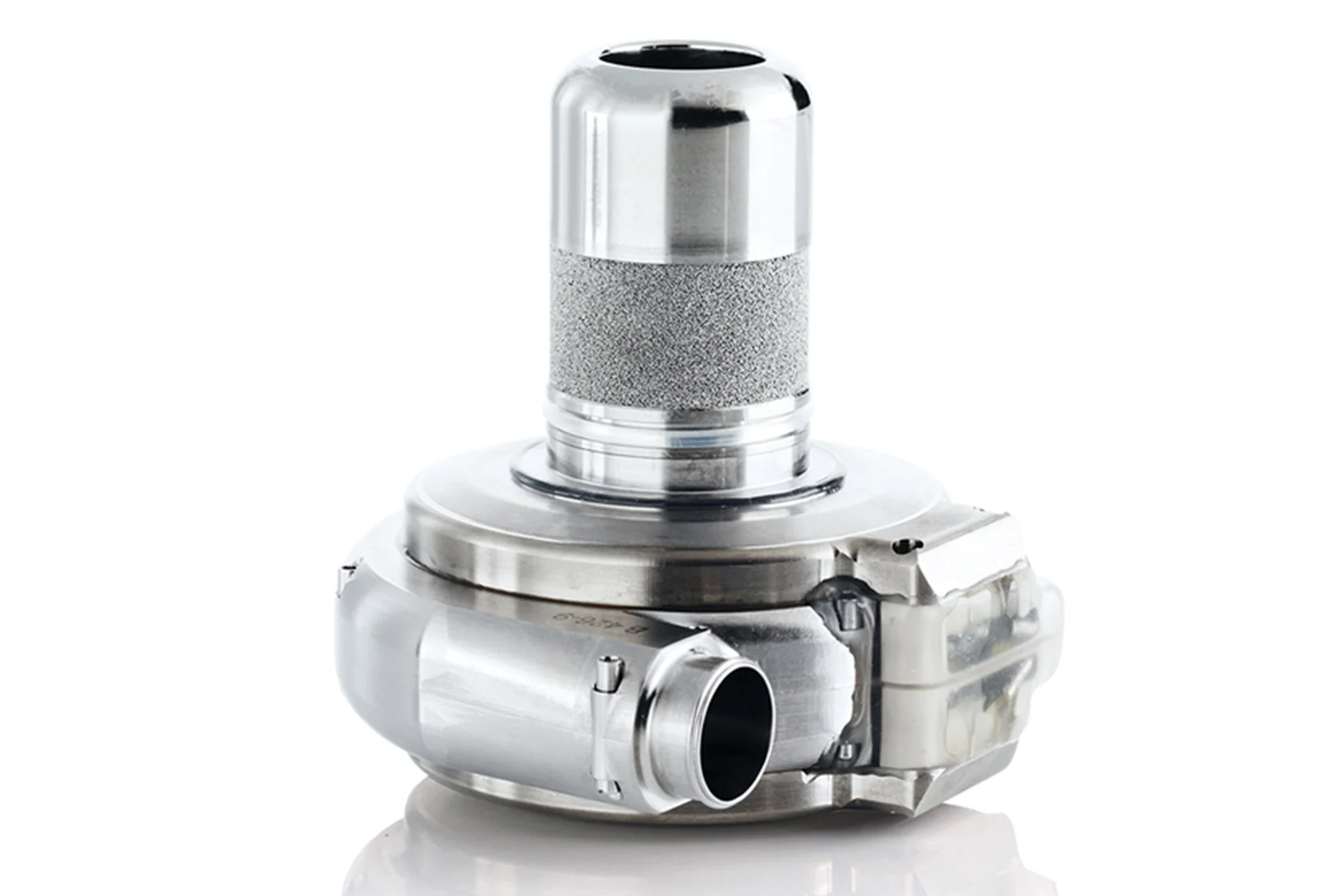
What to Expect: Getting a VAD Implanted
Learn how we use minimally invasive techniques to implant ventricular assist devices (VADs) and what to expect after VAD implant surgery.
FAQ: Living with a Ventricular Assist Device (VAD)
Get answers to common questions about living with a ventricular assist device (VAD), including taking medication, daily routines, exercise and more.
Research initiatives
UCSF Heart Failure and Pulmonary Hypertension ResearchOpens in a new window
The UCSF Division of Cardiology conducts research aimed at improving the understanding and treatment of pulmonary hypertension and heart failure.
Support services
Case Management and Social Work
Connect with a team that can help you find resources, solve problems and advocate for you during treatment at UCSF.
Mindfulness-Based Stress Reduction Class
This eight-week class teaches mindfulness practices that can reduce stress and improve your overall health, such as meditation and body awareness.
Patient Relations
We welcome feedback about your experience at UCSF Health. Find out how to contact us with comments, questions or concerns.
Spiritual Care at UCSF
Chaplains representing many faiths are available around the clock to provide support, comfort and counsel to patients, families and caregivers.