
TIL Therapy
On this page
What is TIL therapy?
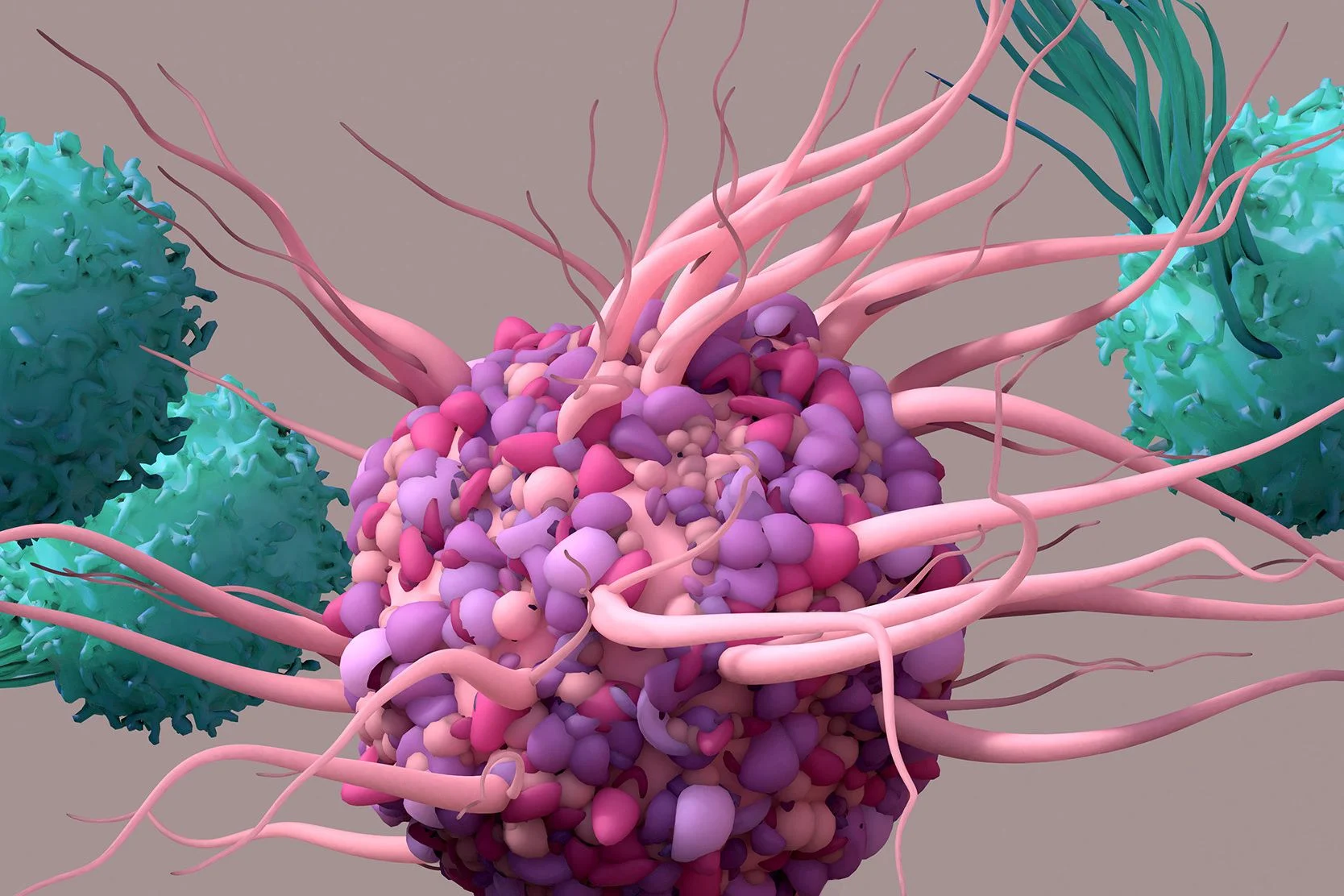
Tumor-infiltrating lymphocyte (TIL) therapy is a type of personalized immunotherapy for solid cancers, meaning it deploys cells from the patient's own immune system to fight their cancer. Lymphocytes (a kind of white blood cell) play an important role in the immune system, helping fight off infections and diseases. TILs are lymphocytes that have learned to recognize and destroy cancer cells, and can be found inside a tumor.
TIL therapy involves surgery to remove the patient's tumor. The tumor tissue is then put through a special process to isolate the TILs and multiply them into billions of cancer-fighting cells. They are then infused back into the patient.
Lifileucel (brand name Amtagvi) is the first TIL therapy approved by the Food and Drug Administration (FDA). Lifileucel has shown promising results in patients whose metastatic melanoma (melanoma that has spread from its original site) has worsened after treatment with other drugs, including other immunotherapies and molecularly targeted therapies. In clinical trials (studies with human volunteers), some patients have improved or even achieved long-term remission after receiving lifileucel.
UCSF is one of only a few hospitals in the region offering TIL therapy.
Our approach to TIL therapy
UCSF has been administering cancer immunotherapies, such as TIL therapy, since 2011. As part of our commitment to comprehensive cancer care, we have a special clinic devoted to these treatments. In addition to patient care, we are dedicated to discovering better treatments through research. Interested patients may have opportunities to participate in clinical trials evaluating promising immunotherapies. Learn about the process and potential benefits of participating in a clinical trial.
Who is eligible for TIL therapy?
TIL therapy is not for every melanoma patient. It's for those with advanced melanoma that can't be removed surgically or that has spread to other parts of the body. Candidates for TIL therapy are patients who have already been treated with standard therapies, including a PD-1 blocking antibody and, if positive for a BRAF V600 mutation, a BRAF inhibitor (with or without a MEK inhibitor).
How does TIL therapy work?
TIL therapy takes advantage of how certain immune cells find and fight disease in the body. As a treatment for melanoma, it uses tumor-infiltrating lymphocytes – immune cells that have already detected the cancer, entered the tumor, and are working to kill the melanoma cells. But on their own, TILs don't have the means or numbers to finish the job. TIL therapy starts by giving them a boost.
To set up the treatment, part of the tumor is removed and TILs are collected from it. The cells are then sent to a lab where they're treated with interleukin-2 (IL-2), a protein that enhances their natural cancer-fighting ability and dramatically increases their numbers. When the TILs are infused back into the patient's bloodstream, they circulate through the body, targeting and destroying the cancer cells.
Procedure for TIL therapy
If your oncology team determines that lifileucel is the best next option for treating your melanoma, you'll begin this multistep process:
- You'll be scheduled for tumor-removal surgery. A small piece of the tumor will be sent to a special lab.
- While you recover from surgery, the lab will process the tumor to isolate the TILs and increase their numbers. The resulting medication, lifileucel, takes about one month to produce. It is then shipped to UCSF.
- A week before starting your lifileucel treatment, you'll be admitted to the hospital. For seven days, you will receive intravenous (IV) chemotherapy. The goal is to temporarily reduce the number of other immune cells circulating in the body, so there's more room for the TILs to grow, survive and fight effectively.
- On Day 8, you'll receive the lifileucel infusion.
- On Days 9 to 11, you'll receive several IV doses of IL-2 (the protein that the TIL cells were treated with) to enhance the infused cells' potency and ability to attack the melanoma.
Expect to stay in the hospital until you've recovered from any serious side effects of these treatments (including the chemotherapy, lifileucel and IL-2).
Side effects of TIL therapy
TIL therapy is an intense treatment with some short-term risks from the conditioning chemotherapy. These include:
- Low blood counts that may require blood transfusions
- Infections
- Fatigue
- Nausea and vomiting
- Diarrhea
- Hair loss
- Mouth sores
IL-2, used to stimulate your TILs, can also cause temporary side effects, including:
- Fever
- Rash
- Low blood pressure
- Abnormal heart rate
- Nausea
- Diarrhea
- Fatigue
- Confusion
- Leg swelling
Your entire team – your oncologist, nurse practitioner, physician assistant and other clinicians – will monitor you closely for complications throughout your treatment. Thanks to years of experience in treating patients with cellular therapies, we have strategies to minimize these side effects.
Awards & recognition

Among the top hospitals in the nation

UCSF Health medical specialists have reviewed this information. It is for educational purposes only and is not intended to replace the advice of your doctor or other health care provider. We encourage you to discuss any questions or concerns you may have with your provider.