
Transcarotid Artery Revascularization (TCAR)
On this page
What is transcarotid artery revascularization (TCAR)?
Transcarotid artery revascularization (TCAR) is a minimally invasive surgery used to treat carotid artery disease and prevent future strokes. The traditional treatment for blockages in the carotid artery – the main artery supplying blood to the brain – is an open surgery called carotid endarterectomy, but that can be risky for some patients because of age, anatomy or other medical conditions.
How does TCAR work?
Transcarotid artery revascularization is different from a carotid endarterectomy. Instead of making a long incision in the neck and opening the carotid artery, a surgeon performing a TCAR works through a small incision to stabilize plaque from inside the artery and restore normal blood flow to the brain.
Evaluation for TCAR
You may be a candidate for transcarotid artery revascularization if you have carotid artery disease. Because many patients don't experience symptoms in the early stages, your doctor may screen you for the condition if you have risk factors, such as:
- High blood pressure
- Diabetes
- Obesity
- A smoking habit
- Vascular disease elsewhere in your body
By listening with a stethoscope to the blood flow in your neck, your doctor may be able to detect a blockage. If they do detect a blockage, they will order further testing.
If you are experiencing any stroke-like symptoms, you should seek immediate medical attention and be evaluated for carotid artery disease. These symptoms include:
- Sudden loss of eyesight or trouble seeing
- Sudden trouble speaking or understanding speech
- Sudden weakness or numbness on one side of your face or body
- Sudden dizziness, loss of balance or coordination
- Sudden severe headache with no known cause
Testing for TCAR
If your doctor suspects that you may have carotid artery disease, they may conduct the following tests to confirm the diagnosis and guide further treatment:
- Carotid artery ultrasound. During this test, sound waves are used to produce images of the carotid arteries and identify areas that have been narrowed by a buildup of plaque. This procedure is painless and doesn't require the use of needles, dyes or X-rays.
- Computerized tomography (CT) angiography. During a CT angiography, X-rays are used to take a picture of the carotid arteries. In order for the images to reveal the vessels and any narrowed areas, a dye that shows up on X-rays is injected into an artery in the groin or arm.
Procedure for TCAR
Transcarotid artery revascularization is a minimally invasive vascular surgery. It is performed through a much smaller incision and in far less time than the standard open surgery for carotid artery disease.
TCAR takes place in an operating room. After you're placed under anesthesia, the surgeon makes a small incision in your neck, just above the collarbone. A tube is placed directly into your carotid artery and connected to a system that temporarily reverses blood flow away from the brain – this prevents any loose bits of plaque from reaching the brain and causing a stroke.
Your brain still receives blood from other arteries during the procedure. The blood is filtered by the system and then returned to your body through a second tube connected to a vein in your groin.
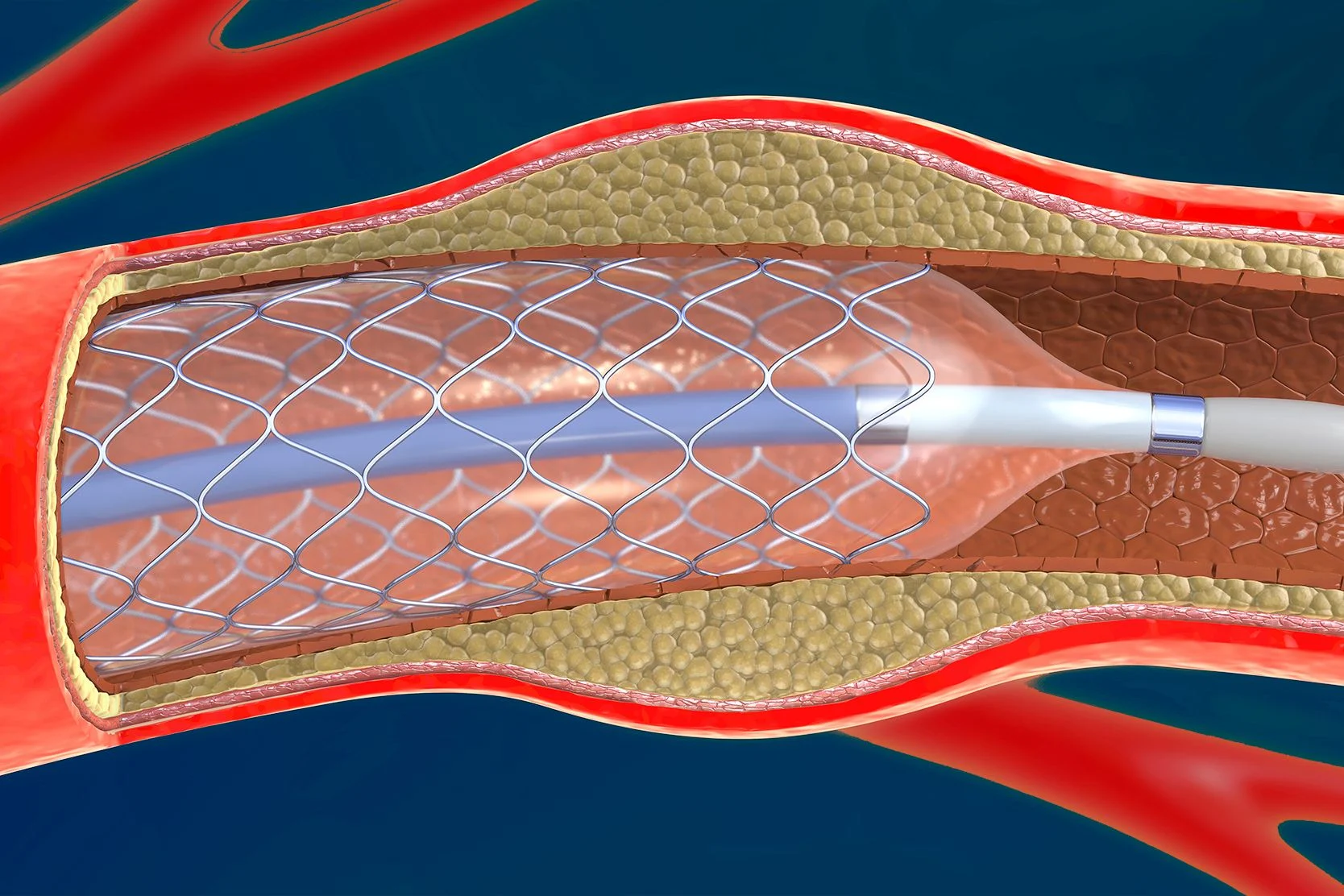
While the blood flow is reversed, a stent (a small, expandable tube) is inserted into the artery to stabilize the plaque and prevent it from causing strokes. After the stent is in place, the surgeon halts the blood flow reversal and your blood resumes flowing toward the brain.
More than 15,000 TCAR procedures have been performed worldwide and the data on patient outcomes have been excellent.
Recovery from TCAR
Most patients are able to go home the day after transcarotid artery revascularization and resume normal activities quickly. Recovery is faster than with traditional surgery, with minimal pain and less scarring.
You will probably be prescribed medications to prevent blood clots in your newly opened artery. It's important to follow your doctor's instructions for these medications. As part of your follow-up care, your doctor may order an ultrasound to determine whether the stent is working.
If you experience unusual headaches, dizziness or other unfamiliar symptoms, call the doctor who performed your procedure immediately or dial 911.
Related treatments

Endovascular Surgery
UCSF Medical Center is a pioneer in endovascular surgery, performing more than 150 endovascular aneurysm repairs annually. Find more treatment information here.
UCSF Health medical specialists have reviewed this information. It is for educational purposes only and is not intended to replace the advice of your doctor or other health care provider. We encourage you to discuss any questions or concerns you may have with your provider.