
Four Tips for Calming Dental Anxiety
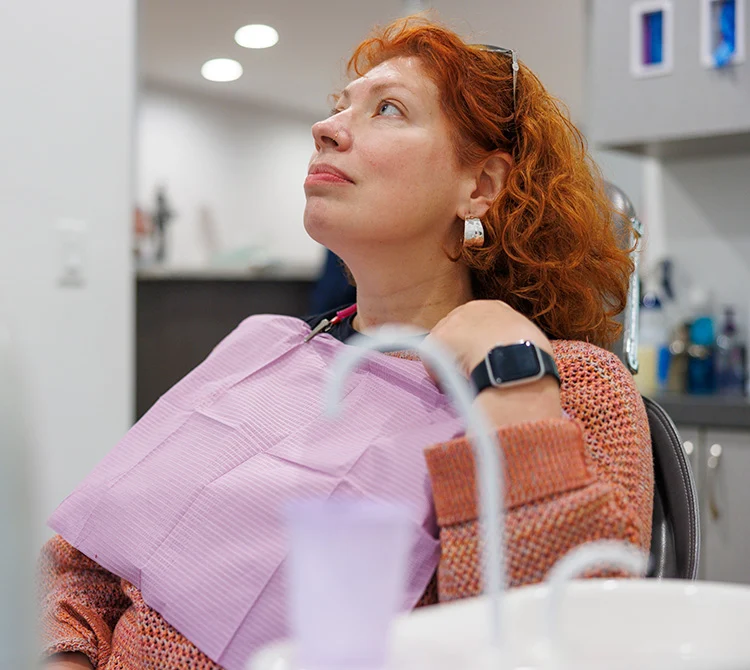
If you’ve ever felt nervous about going to the dentist, you’re not alone – about 1 in 3 people in the U.S. have dental anxiety. As common as it is, there are ways to manage it so you can stay on track with your cleanings and checkups to help prevent dental problems.
Why are people afraid of the dentist?
There are many reasons you might feel nervous at the dentist. It can be helpful to get to the root of your anxiety.
Fear of the dentist may stem from:
- Negative childhood experiences. Research shows that having a scary or stressful dental experience as a child can affect you as an adult. Maybe you didn’t know what to expect at the dentist or had a painful procedure.
- Loss of control. It’s natural to feel vulnerable lying back in the chair or anxious about not being able to speak with tools inside your mouth.
- Other anxieties and phobias. Dental anxiety is more common in people with generalized anxiety disorder or obsessive-compulsive disorder (OCD). A fear of needles or sensitivity to certain sounds or stimuli can also make dental care more nerve-racking.
Tips for managing dental anxiety
The good news is that dental anxiety is manageable. With the right coping strategies, you can calm your nerves and feel more relaxed at your next appointment.
1. Talk to your dentist
Let your dental team know about your anxiety before your next appointment. They can take extra time to help you feel comfortable and walk you through what to expect. You can also agree on simple signals, like raising your hand, to use if you feel discomfort or need a break.
2. Distract yourself
Directing your attention away from stressful sights and sounds in the dentist’s office, such as drills or bright lights, can help you relax. Try bringing headphones and listening to calming music, an audiobook, a podcast or a guided meditation.
Engaging your sense of touch can also help. A stress ball or fidget toy gives you something to focus on. Ask your dental team whether they offer amenities such as blankets or pillows to make you feel more comfortable.
3. Use deep breathing and visualization
Slow, deep breathing can help your mind and body relax. Try the 4-7-8 breathing technique:
- Inhale through your nose for four counts.
- Hold your breath for seven counts.
- Exhale through your mouth for eight counts.
You can also visualize calming scenes, such as ocean waves or a quiet forest, as you breathe.
4. Consider sedation dentistry
Some people benefit from conscious sedation during dental procedures, also known as sedation dentistry. The most common option is nitrous oxide (laughing gas), which is inhaled through a mask. Nitrous oxide allows you to remain awake and responsive while helping you feel relaxed and comfortable.
How modern dentistry can ease your anxiety
Today’s dental visits look and feel very different from those in years past. At UCSF Health Dentistry, we’re reimagining dental care so you can improve your smile without stress.
We offer:
- A calming environment. Bright, welcoming spaces and thoughtful touches help reduce tension. From private treatment suites to our staff’s compassionate approach, every element of your care is designed to put you at ease.
- Sedation options. We offer several choices, from nitrous oxide to light medication. Our team takes time to explain each step and check in often.
- Gentle dental technology. Digital scanners with advanced imaging make checkups a breeze. Lasers and minimally invasive techniques reduce discomfort and recovery time.
Feel calm and comfortable at UCSF Health Dentistry
A trip to the dentist may feel daunting. That’s why our expert care team makes your comfort a priority at every step. We’re here to help.
Related services
Recommended reading
Dental Problems You Shouldn't Ignore
Common dental problems, such as toothaches or bleeding gums, may be more serious than you think. Find out what symptoms you shouldn’t ignore.
The Surprising Link Between Oral Health and Overall Health
Find out how good oral hygiene can reduce your risk of heart disease, diabetes and other serious health problems.