

Emergency Department
On this page
Get care
Why choose UCSF Health for emergency care?
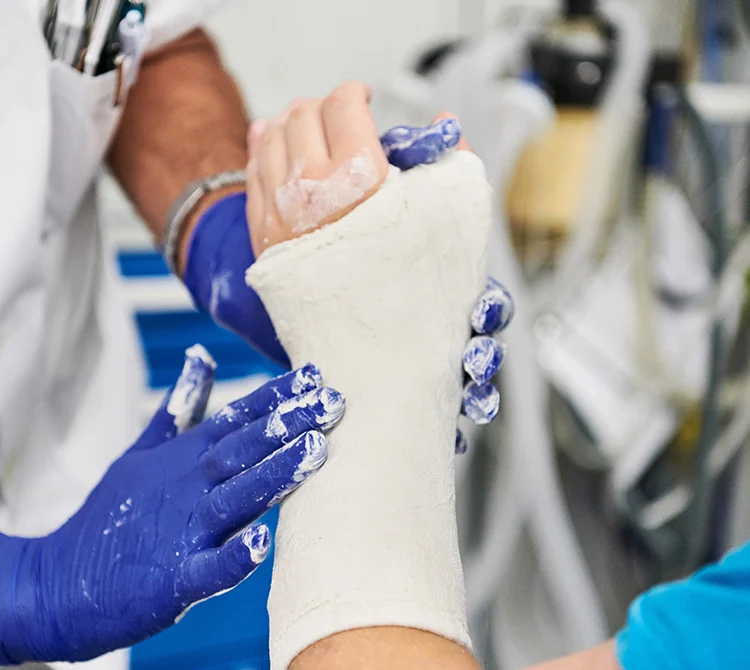
UCSF Health's emergency medicine providers are available 24/7 to care for adults experiencing a medical emergency. We care for routine injuries, such as broken bones and deep cuts, as well as more serious concerns, including heart attack and stroke.
If you need emergency care immediately, dial 911.
Our emergency department (ED) helps more than 40,000 people each year. As a primary stroke and STEMI heart attack receiving center, we deliver fast, lifesaving care. Rapid response typically leads to better outcomes for people experiencing a brain or heart emergency.
The UCSF Health ED is a Gold Level I geriatric emergency department, meaning our team provides specialized care to older adults and guidance for their caregivers.
Why choose UCSF Health for emergency care?
UCSF Health's emergency medicine providers are available 24/7 to care for adults experiencing a medical emergency. We care for routine injuries, such as broken bones and deep cuts, as well as more serious concerns, including heart attack and stroke.
If you need emergency care immediately, dial 911.
Our emergency department (ED) helps more than 40,000 people each year. As a primary stroke and STEMI heart attack receiving center, we deliver fast, lifesaving care. Rapid response typically leads to better outcomes for people experiencing a brain or heart emergency.
The UCSF Health ED is a Gold Level I geriatric emergency department, meaning our team provides specialized care to older adults and guidance for their caregivers.
Get care
Care for ST-elevation myocardial infarctions (STEMIs)
We treat STEMIs, the most severe type of heart attack. Our team quickly helps restore blood flow to the heart, supporting the best outcomes possible.Gold Level I geriatric emergency department
We provide patient-centered care to older adults and offer medical guidance to caregivers at discharge.Comprehensive stroke care
We offer 24/7 rapid evaluation and treatment for all types of strokes, giving you the best chance for recovery.Surgical excellence
If you need emergency surgery, we work with UCSF Health's top surgeons, such as specialists in heart, brain and orthopedic surgery.Advanced diagnostics
We use imaging tests such as X-rays, MRIs and CT scans to pinpoint the problem and provide timely, effective treatment.Coordinated follow-up care
Our ED team partners with specialists and services across UCSF Health to refer you to the care you need after an ED visit.
UCSF Health's emergency department
Health issues we treat at our emergency department include:
-
Deep cuts and broken bones
-
Difficulty breathing
-
Heart attack
-
Loss of consciousness
-
Mental health crisis
-
Stroke
-
Sudden or severe abdominal pain
-
Complications related to chronic health conditions
For problems that need prompt care but are not life-threatening, visit one of our Bay Area urgent care clinics.
Your ED visit
When you arrive, a skilled ED provider assesses your condition and speaks with you about your symptoms. An initial assessment helps us determine how quickly you need treatment.
At the ED, we care for people with the most serious and life-threatening conditions first. When possible, we offer fast-tracked treatments for minor problems, such as cuts and broken bones.
During your time in the emergency department, you may see:
-
Doctors
-
Nurses
-
Advanced practice providers (APPs), licensed health care professionals
-
Medical interpreters
-
Patient transport staff
Emergency medical services we provide
We use the latest diagnostic technology and treatments to quickly treat life-threatening issues.
Advanced heart and vascular care
If you're experiencing chest pain, we perform an electrocardiogram (ECG). The test helps us evaluate your heart's electrical activity and diagnose a heart attack.
If you are having a heart attack, our cardiologist sees you for further assessment. We may perform a cardiac catheterization to get a more detailed view of your heart.
If there is a blockage in your artery, our skilled team performs a percutaneous coronary intervention (PCI) to reestablish blood flow.
Full-spectrum stroke care
A neurologist is available 24/7 to assess you if you may be experiencing a stroke. We use effective therapies, including clot-busting medications, to treat all types of strokes.
We may admit you to our Comprehensive Stroke Center, where our specialists deliver prompt, effective care. Certified at the highest level by the Joint Commission, our stroke program provides advanced diagnostics, treatments and rehabilitation techniques to support the best recovery possible.
Age-friendly emergency department (AFED) consultations
If you're 65 and older, you may receive additional assessments from our geriatric specialists, including doctors, nurse practitioners, pharmacists and social workers. Our age-friendly emergency department (AFED)-trained providers:
-
Support you during your ED stay
-
Communicate with your primary care provider
-
Make sure you have the resources you need before discharge
Observation unit
Our emergency medicine specialists may recommend you stay in our observation unit if you need further evaluation or monitoring.
You may stay in the observation unit for up to 24 hours. During that time, we perform diagnostic tests, administer treatment and monitor your condition.
Depending on your condition, discharge from the observation unit may mean going home or admittance to a UCSF Health hospital for further care. Our ED team helps you decide what is right for you.
Support services
In addition to providing emergency medical care, our social work team helps you find support services if you're experiencing:
-
Domestic violence
-
Homelessness
-
Human trafficking
-
Mental health concerns
-
Substance use disorder
Visitors in the emergency department
You may have visitors while receiving care in the ED. We ask that visitors be limited to one per patient at a time.
Our ED amenities include:
-
24-hour security
-
Accessible bathrooms
-
Café and cafeteria on the second floor
-
Free Wi-Fi
-
Waiting room with TV
Hospital admission
Our ED care team may recommend further care at a UCSF Health hospital. If we transfer or admit you to a hospital, we make all the arrangements and transport you by ambulance at no cost to you.
Locations
Providers

Jacqueline A. Nemer, MD
Emergency Medicine
Meghan Hewlett, MD, MPH
Emergency MedicineAndrew Kendle, MD
Emergency MedicineAlexa Lucas, MD
Emergency Medicine
Award-winning care
40,000+
people served each year in the ED
Gold Level 1 (highest) accreditation for geriatric emergency care
Among the top hospitals in the nation
Related services
Related conditions & treatments
Conditions
Clinical trials
Naloxone for Opioid Associated Out of Hospital Cardiac ArrestOpens in a new window
Survival to hospital discharge is defined as patient is discharged from the hospital acute care unit alive regardless of neurological status, outcome or destination.
Patient education
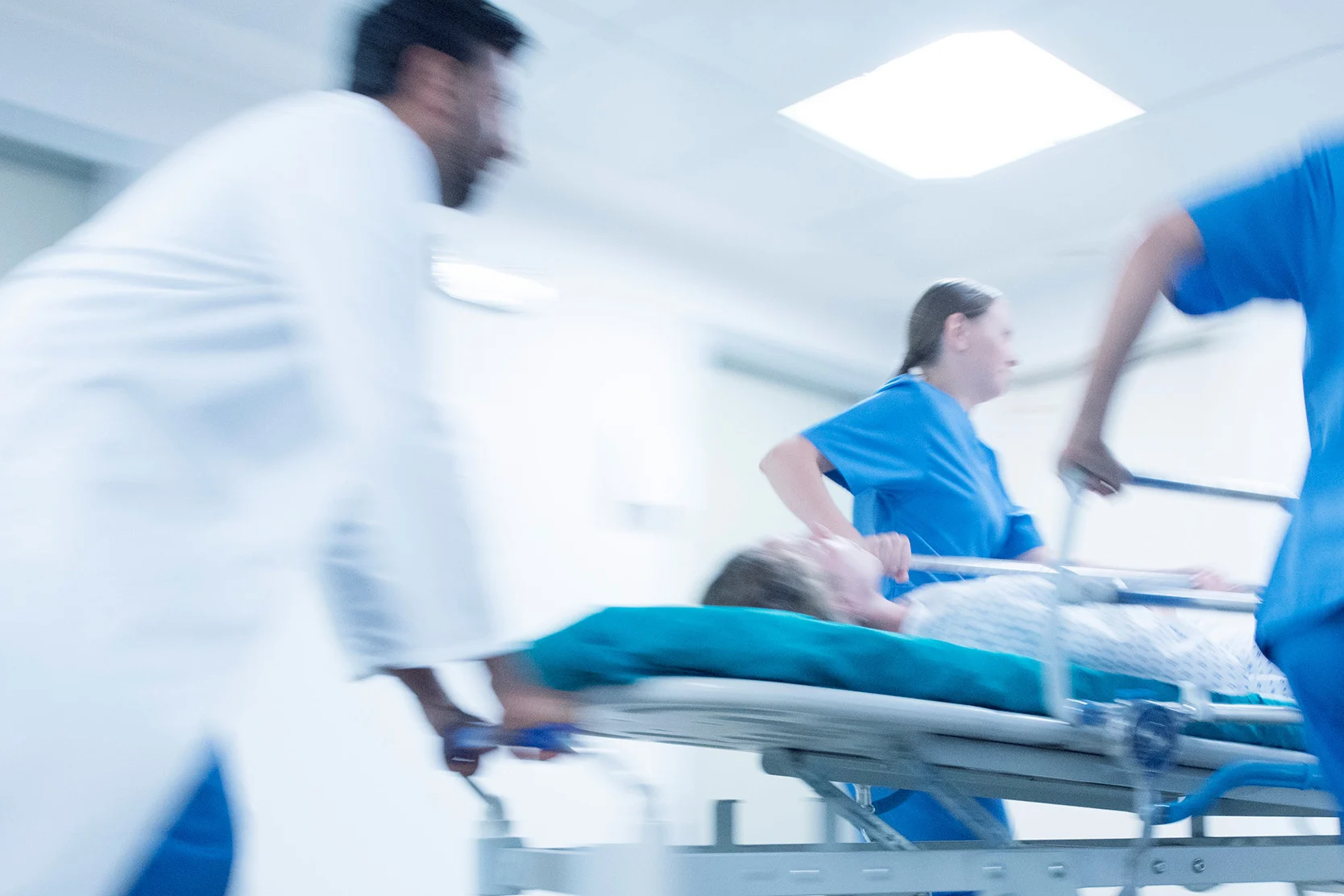
Emergency Department at UCSF Parnassus: What to Expect
Here’s what to expect when visiting the Emergency Department at UCSF Health’s Parnassus Hospital, including amenities, your care team and tests we may perform.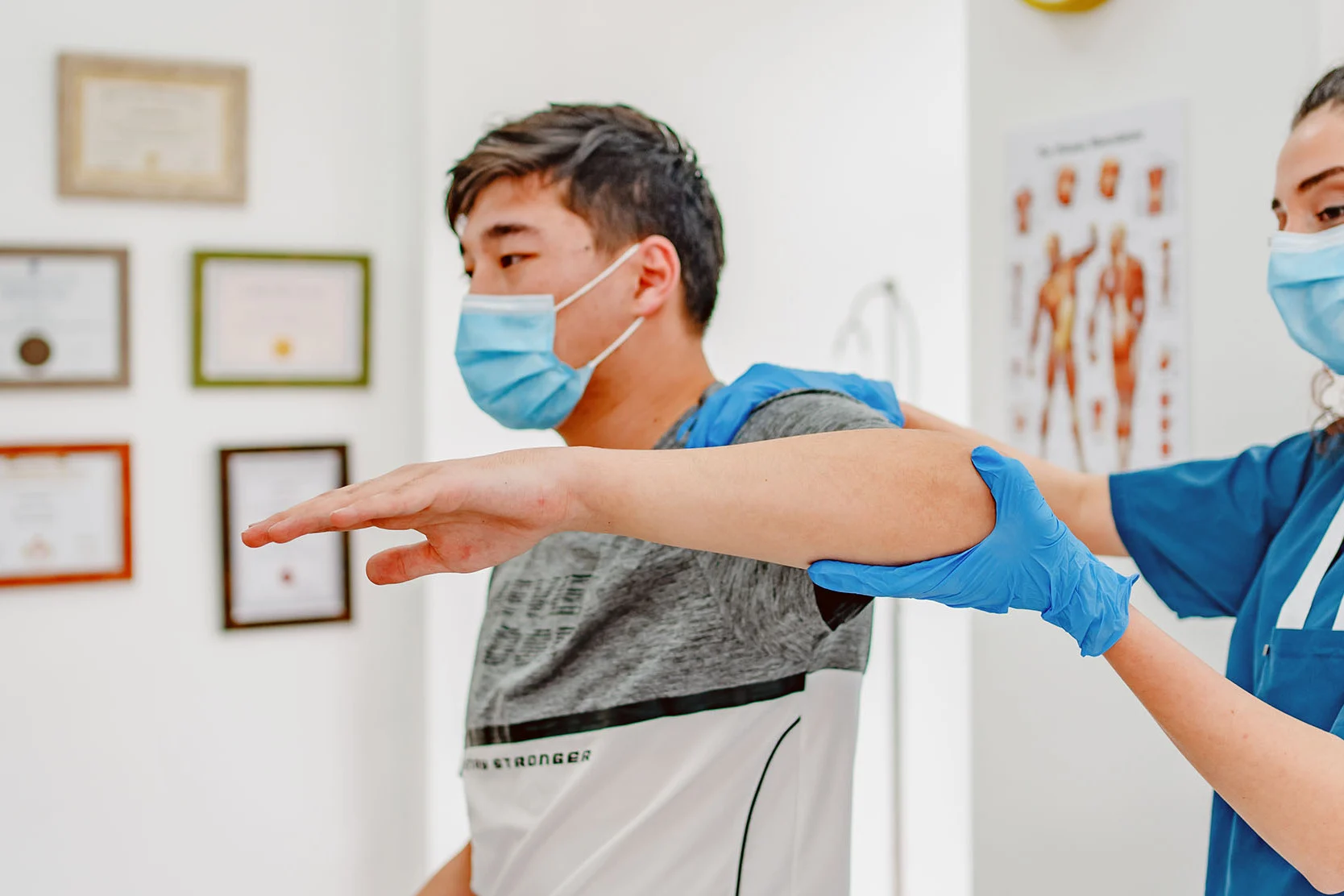
Should You Go to Urgent Care or the Emergency Room?
Not sure if you should go to the emergency room or urgent care? This guide will help you decide. If you’re experiencing life-threatening symptoms, dial 911.
6 Signs of a Stroke
Learn to recognize signs of a stroke, such as sudden confusion and numbness, so you can get emergency medical care as soon as possible.
Support services
Case Management and Social Work
Connect with a team that can help you find resources, solve problems and advocate for you during treatment at UCSF.
Mindfulness-Based Stress Reduction Class
This eight-week class teaches mindfulness practices that can reduce stress and improve your overall health, such as meditation and body awareness.
Patient Relations
We welcome feedback about your experience at UCSF Health. Find out how to contact us with comments, questions or concerns.
Spiritual Care at UCSF
Chaplains representing many faiths are available around the clock to provide support, comfort and counsel to patients, families and caregivers.