
Implantable Cardioverter Defibrillator (ICD)
On this page
Overview
What is an implantable cardioverter defibrillator (ICD)?
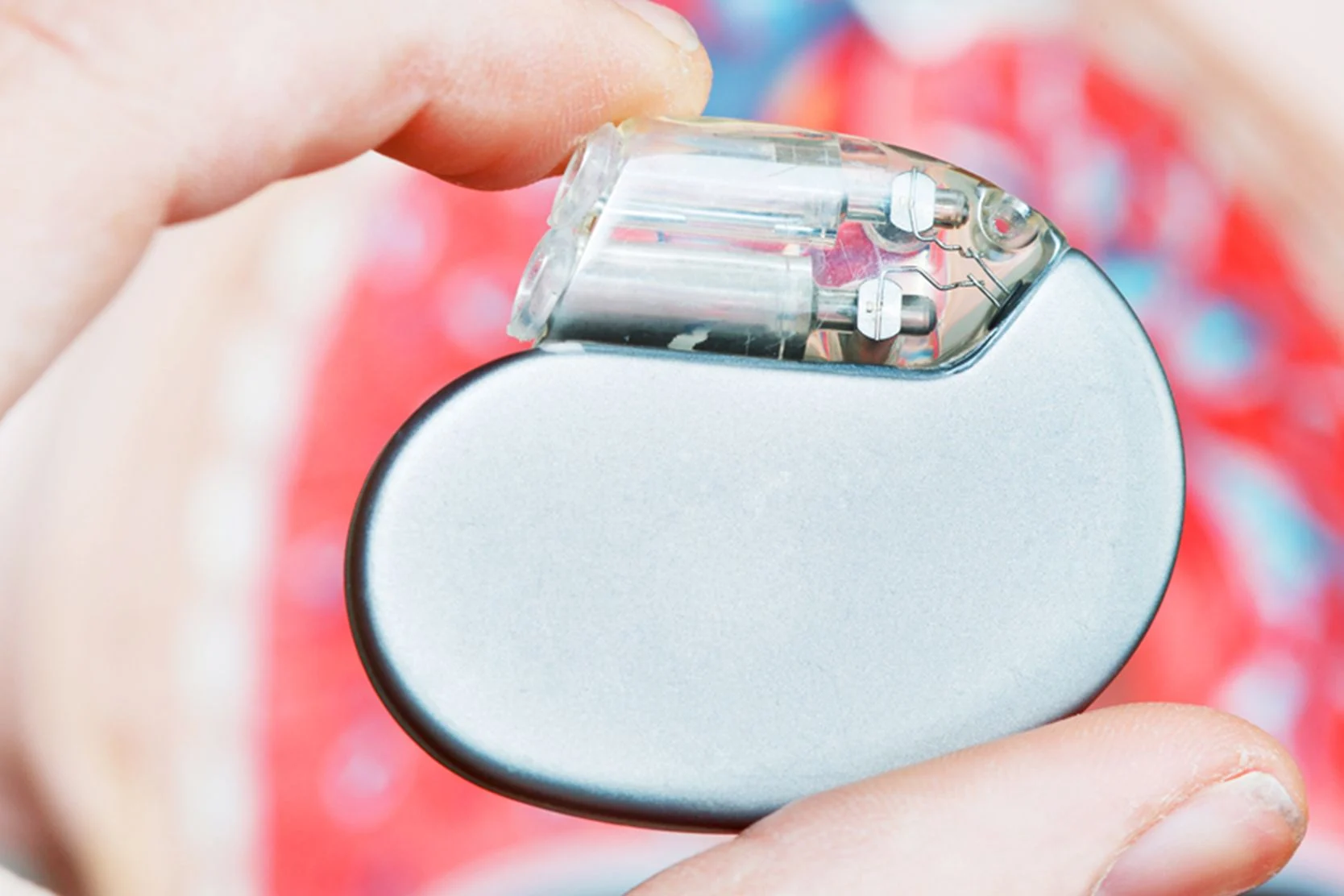
An implantable cardioverter defibrillator (ICD) is a device placed in the chest to treat certain types of dangerous arrhythmias (abnormal heart rhythms). The device senses when the heart is beating irregularly and delivers a brief jolt of electricity to restore a normal rhythm. This process is called defibrillation because a heart that beats irregularly is said to be "fibrillating." Patients who have experienced defibrillation often describe it as startling, jolting or unsettling. Sometimes, with stronger electric jolts, it can be painful.
ICDs have two parts:
- Pulse generator. This machine creates the electric shock that's sent to the heart. This part contains the battery that powers the device.
- Leads. Specially coated wires, called leads, carry the electric shock from the pulse generator to the heart.
Who can benefit from an ICD?
An implantable cardioverter defibrillator is for people who have had episodes of irregular heartbeats, such as ventricular tachycardia, when the heart beats too fast, or ventricular fibrillation when it flutters without pumping blood effectively. Both are potentially dangerous arrhythmias that start in the heart's lower chambers (the ventricles). An ICD may also be used in people who have a condition that puts them at risk for one of these arrhythmias or for people at risk of cardiac arrest (when arrhythmia complications make the heart stop beating).
Often, heart rhythm control can be achieved with medication alone. But when medication is ineffective and the rhythm problem is serious, an implantable cardioverter defibrillator can be an option.
How do newer ICDs compare with earlier ones?
Early implantable cardioverter defibrillators were more bulky than modern models and implanting them required a more extensive operation. Now, ICDs are small (about the size of a stopwatch) and lightweight, and they have many capabilities. Modern ICDs are sometimes called tiered therapy devices since they can provide electric jolts of different strengths, ranging from gentle to strong, depending on the patient's needs.
ICDs need to be replaced before their batteries run out, but most last five years or more.
These days, most ICDs can also function as a pacemaker, sending electric pulses to help the heart beat at a normal rate.
New models record the patient's heart rhythms and any pacing therapy the ICD provides. The patient's doctor can retrieve this information remotely and use it when making decisions about further treatment.
Surgical procedure for an ICD
Implantable cardioverter defibrillator (ICD) surgery is much simpler now than it was in the past. It often takes less than an hour. Your medical team will determine the best type of anesthesia for you. Most patients do well with sedation that keeps them in a light sleep during the procedure.
Once you're sedated, your doctor will numb the incision area on your chest with a local anesthetic before making the cut. The incision is usually small – 3 to 4 inches – and travels horizontally across your chest. After inserting the ICD, the doctor closes the incision and applies a bandage to protect the site.
You should avoid getting the surgical site wet for several days after the implantation procedure. It's normal to feel somewhat sore for about a week. Follow all of your doctor's instructions carefully.
Types of ICD treatment
Once implanted, your implantable cardioverter defibrillator has two main settings: low-energy and high-energy.
Low-energy ICD treatment
The gentlest treatment for a fast heart rate (tachycardia) is called antitachycardia pacing. In this technique, the ICD uses a special pacemaker to control the heart rather than shocking it. Patients are often unaware the pacing signals are happening. With this approach, the doctor programs the ICD to automatically use a stronger therapy if antitachycardia pacing isn't working.
If useful, the doctor can also program the ICD to use low-energy shocks to restore the normal heart rhythm, instead of its most powerful shocks.
High-energy ICD treatment
The doctor programs the ICD to deliver strong shocks if low-energy shocks aren't working. Maximum-energy shocks provide the most powerful therapy for a racing heart. When the ICD delivers this level of therapy, you'll know it. Some people say it feels like being kicked in the chest.
Follow-up care after ICD surgery
Once the implantable cardioverter defibrillator is in place, some doctors want to see their patients every two months – or more often, depending on the level of observation needed. For patients whose rhythms are fairly stable, follow-up visits may be scheduled every four to six months.
Recommended reading

FAQ: Implantable Cardioverter Defibrillators
Learn about implantable cardioverter defibrillators (ICDs) and get answers to questions about what it feels like and what to know about living with an ICD.
Related services & conditions
Specialties
Conditions
Treatments
- Cardiac Device Implant
- Cardiac Implantable Device Replacement
- Pacemaker and ICD Interrogation
- Implantable Cardioverter-Defibrillator Placement
UCSF Health medical specialists have reviewed this information. It is for educational purposes only and is not intended to replace the advice of your doctor or other health care provider. We encourage you to discuss any questions or concerns you may have with your provider.