

Electrophysiology & Arrhythmia
On this page
Why choose UCSF Health for electrophysiology and arrhythmia services?
We provide expert evaluation and treatment of all types of heart rhythm disorders. Our providers and researchers have driven advances in arrhythmia diagnosis and treatment. In the 1980s, we pioneered catheter ablation, a highly successful procedure that disrupts the abnormal electrical signals causing arrhythmias.
You receive the latest therapies and comprehensive care from an experienced team. Our heart specialists collaborate closely with experts throughout UCSF Health.
You also benefit from our extensive research efforts. You can receive the newest therapies, devices and medications through ongoing clinical trials.
Why choose UCSF Health for electrophysiology and arrhythmia services?
We provide expert evaluation and treatment of all types of heart rhythm disorders. Our providers and researchers have driven advances in arrhythmia diagnosis and treatment. In the 1980s, we pioneered catheter ablation, a highly successful procedure that disrupts the abnormal electrical signals causing arrhythmias.
You receive the latest therapies and comprehensive care from an experienced team. Our heart specialists collaborate closely with experts throughout UCSF Health.
You also benefit from our extensive research efforts. You can receive the newest therapies, devices and medications through ongoing clinical trials.
Experienced team
We perform over 1,200 procedures, including 500 ablations, each year. This high volume gives us a unique depth of experience.Collaborative approach
We work closely with other UCSF Health experts, such as heart failure and genetics specialists, to provide complete care.Convenient appointments
We provide convenient options for office visits or virtual appointments for your initial evaluation and follow-up care for those residing in California.National leaders
Our experts are helping to write treatment guidelines on atrial fibrillation and ventricular tachycardia, improving care for patients with these conditions.
Advanced arrhythmia diagnosis and treatment at UCSF Health
We use the latest techniques and imaging technology to diagnose heart rhythm problems, including:
-
3D color-coded tissue mapping
-
Ventricular tachycardia scar mapping
-
Electrophysiology mapping
These maps and images provide detailed information about your heart's structure and rhythm. This information enables us to get a precise diagnosis so we can create a highly tailored treatment plan. We're one of the few programs able to perform MRIs on patients with implanted devices.
Leading-edge heart rhythm treatment
Arrhythmia treatment may include nonsurgical and surgical options. Some of the treatments we provide are only available at a few centers in the U.S. We offer a full range of devices, therapies and minimally invasive procedures, including:
-
Catheter ablation
-
Device lead extraction
-
Implantable cardioverter-defibrillators (ICDs)
-
Left atrial appendage closure
-
Medication
-
Pulsed field ablation
-
Stereotactic body radiotherapy (SBRT) for ventricular tachycardia
-
Subcutaneous defibrillators
-
Traditional and leadless pacemakers
For complex cases, we collaborate closely with other UCSF Health experts for integrated treatment planning, including specialists in:
-
Genetics
-
Heart failure
-
Radiation oncology
-
Structural cardiology
Ongoing support and care
We're here to assist you, offering continuous support without the need for frequent in-person visits. Our nurses are available 24/7 to answer your questions by phone, and you can have virtual follow-up visits. We use the latest remote monitoring technology for pacemakers and defibrillators, checking your device wirelessly.
Locations
Providers
Adam Oesterle, MD
Cardiology (Electrophysiology)
Thomas A. Dewland, MD
Cardiology (Electrophysiology) • Cardiology
Randall J. Lee, MD
Cardiology (Electrophysiology) • Cardiology
Henry H. Hsia, MD
Cardiology (Electrophysiology) • Cardiology
Award-winning care
Among the top hospitals in the nation
One of the nation's best for heart & vascular care

Rated high-performing hospital for heart arrhythmia care

Rated high-performing hospital for pacemaker implantation
Related conditions & treatments
Conditions
Treatments
- Ablation for Supraventricular Tachycardia
- Ablation for Ventricular Tachycardia
- Cardioversion
- Cardiac Ablation
- Echocardiography
- Implantable Cardioverter-Defibrillator Placement
- Lead Extraction
- Left Atrial Appendage Closure
- Pacemaker
Clinical trials
Digitally Rendered Interventions And Knowledge To Limit Ethanol-Associated Atrial Fibrillation SeverityOpens in a new window
The primary outcome will be change in atrial fibrillation severity at one year, defined by a change in the Atrial Fibrillation Effect on Quality-of-Life Questionnaire (AFEQT) score from baseline to one year associated with alcohol...Full-Avoidance vs. Permissive/Regulated Drinking & Outcomes On FibrillationOpens in a new window
Participants will be wearing a continuously recording ECG monitor for two weeks. The primary outcome will be the presence (versus absence) of at least one AFib episode on randomly assigned drinking versus non-drinking days.ULTRA-HFIB-Redo: Ultrasound-based Renal Sympathetic Denervation Vs Control in Redo Ablation PatientsOpens in a new window
Freedom from atrial arrhythmias (AT/AF/AFL) recurrence ≥ 30 seconds off all antiarrhythmic drug uses (AADs) (after the 90-day blanking period).Gauging Outcomes of Total Milk Ingestion on Lipid and gControlOpens in a new window
The primary outcome will be a difference in hemoglobin A1c (HbA1c) with whole-fat milk compared to skim milk during the enrollment period.Volunteers to Investigate Best Results for Ablation and Novel Therapies for Atrial FibrillationOpens in a new window
Time to atrial fibrillation, after employing a 3-month blanking period. Atrial Fibrillation Recurrence includes patient-reported symptoms of AF or Kardia-based ECG evidence of AF.Disrupted Sleep and Concurrent Ectopy or Atrial FibrillationOpens in a new window
Daily number of ectopic beats as recorded with the adhesive heart monitor.The PIVATAL Study -Study of Ventricular Arrhythmia (VTA) Ablation in Left Ventricular Assist Device (LVAD) PatientsOpens in a new window
Total VTA events, after accounting for the competing risk of death.Developing a Digital Aid to Improve ICD DecisionsOpens in a new window
The Decisional Conflict Scale is a validated, 16-item questionnaire scale assessing whether a participant feels conflicted regarding a past medical decision. The range is 0 to 100 with higher scores indicating more conflict, a neg...Cryoablation for Monomorphic Ventricular TachycardiaOpens in a new window
Events will be adjudicated by an independent Clinical Events Committee (CEC). MAEs include any of the following: - Death - Acute myocardial infarction - Cardiac perforation/pericardial tamponade - Cerebral infarct...
Explore what we do
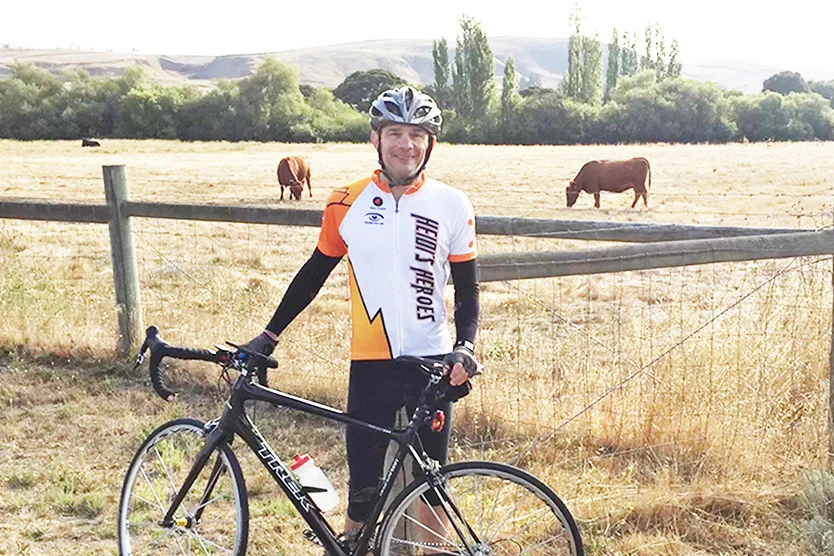
Tiny, focused shocks help patients overcome arrhythmiaOpens in a new window
UCSF Health advances the next generation of treatment for atrial fibrillation with innovative cardiac care.
Support services
Case Management and Social Work
Connect with a team that can help you find resources, solve problems and advocate for you during treatment at UCSF.
Mindfulness-Based Stress Reduction Class
This eight-week class teaches mindfulness practices that can reduce stress and improve your overall health, such as meditation and body awareness.
Patient Relations
We welcome feedback about your experience at UCSF Health. Find out how to contact us with comments, questions or concerns.
Spiritual Care at UCSF
Chaplains representing many faiths are available around the clock to provide support, comfort and counsel to patients, families and caregivers.