
Unique Program Supports Loved Ones of Patients With Brain Cancer
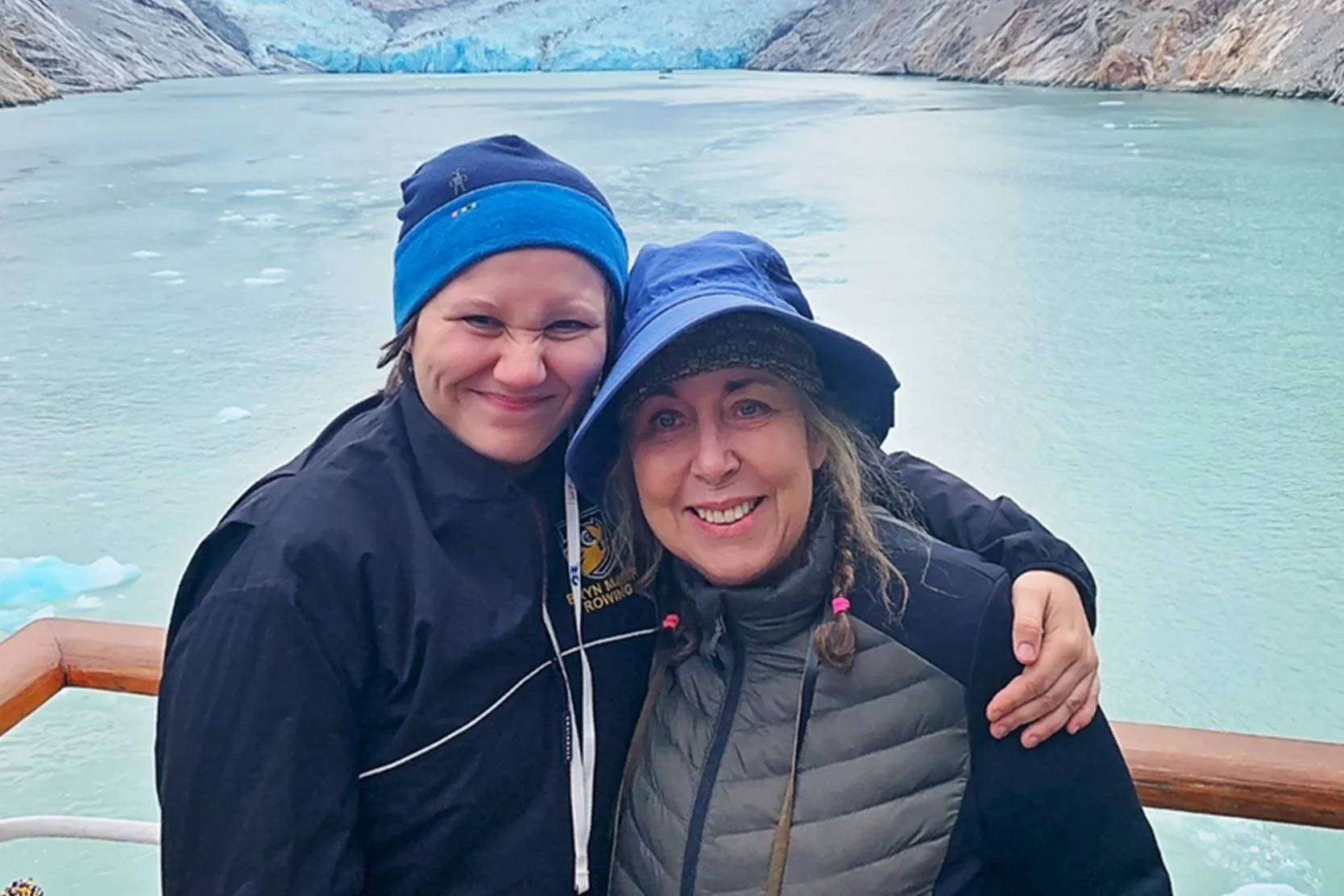
When friends or acquaintances learn of her mother's brain cancer, Margot Johnson braces for one of two responses. "It's either, 'I knew someone who had cancer, and now they're training for a marathon.' Or it's, 'I knew someone with cancer, and they died.'"
Neither response is helpful, says Johnson, a 24-year-old master's degree student in library science and part-time library assistant. But she tries to be forgiving. She knows her peers seldom have experience with a parent facing a life-threatening illness.
Johnson's mom is Sara Maurer, a civil litigation attorney in California. She had worked with victims of sexual assault and, until her diagnosis, volunteered for a nonprofit that brings legal professionals together with high school students to hold mock trials, creating a platform for teens to polish their presentation skills and prepare to be community leaders.
"My mom is that person everyone clusters around. She's passionate, vivacious, tenacious. She has an innate ability to connect with people," Johnson says.
The day Maurer learned she had cancer started like any other. She was at her Marin County home with her husband and Johnson, the couple's only child. She was loading dishes into the washer when she felt an intense tingling on her left side. Afraid it was a stroke, she asked Johnson to call 911. Maurer was taken to MarinHealth Medical Center, an affiliate of UCSF Health. There, an MRI pointed to glioblastoma, the most common and deadly brain tumor in adults, with an average survival time of 15 months.
"I told them to take it out, so I can get on with the rest of my life," says Maurer, a statement that is entirely in keeping with her pragmatic personality, according to her daughter.
Maurer was transferred to the UCSF Helen Diller Medical Center at Parnassus Heights, ranked No. 2 nationwide for neurology and neurosurgery by U.S. News & World Report. She underwent partial removal of her tumor by neurosurgeon Dr. Shawn Hervey-Jumper, followed by radiation and chemotherapy to reduce the remaining tumor and slow its regrowth.
There's a unique need to support families of patients with brain cancer.
What we're doing for caregivers
While Johnson was grappling with her mother's diagnosis, she heard about the UCSF Neuro-Oncology Gordon Murray Caregiver Program, established by Randi Murray after the death of her husband, Gordon Murray, a former Wall Street executive. She and neuro-oncologist Dr. Susan M. Chang started the program in 2014, with Chang as director. Today it serves as a model for other hospitals developing support services for caregivers.
"There's a unique need to support families of patients with brain cancer," says program co-director and neuro-oncologist Dr. Jennie Taylor. "Brain cancer is different from other cancers. The tumor itself can cause pressure and distortion of the brain, and surgery can lead to additional insults and injury, causing changes in personality that may be worsened by other treatments. Patients may seem apathetic or lacking in motivation; they may be more impulsive and less likely to filter their thoughts."
Behavioral and physical changes can lead to caregiver grief over "the loss of health, the future you thought you had," says program coordinator and neuro-oncology nurse Margaretta Page.
Johnson joined a monthly online support group for caregivers and attended an annual retreat as well as educational seminars about practical issues, such as health insurance and home safety. Today, several months after her mother's diagnosis, Johnson feels a little less alone, thanks to the bonds she established with other caregivers and the gentle check-ins she gets from Candice Velasco, the program's administrative manager.
Don the cape, gold cuffs and tiara
As for Maurer, she forges ahead with her usual zest for life, viewing her diagnosis at times as "just another hurdle," according to Johnson. Maurer uses a cane occasionally, takes a nap when fatigued and hopes to resume her volunteer work with high school students.
Johnson focuses on enjoying the best moments, especially her mom's humor, recalling when Maurer was advised to dress comfortably for radiation sessions that required lying on a table where high-energy beams zapped the tumor site. Comfortable clothes? Why not make an entrance wearing a Superwoman cape, gold cuffs and tiara? So that's just what Maurer did.
"She's hilarious," says Johnson.
As Mauer waited for the elevator after a treatment, a provider asked about her "costume," Johnson recalls. "What costume?" Maurer said without missing a beat. "My mom has this magic that draws people to her," says Johnson. "They see her, and they want to get to know her."
A brain tumor hasn't changed that.
Patient services

Neuro-Oncology Caregiver Program
If you're caring for someone with a brain tumor, our program can help with guidance, information, resources and support at this difficult time. Find out more.
UCSF Health medical specialists have reviewed this information. It is for educational purposes only and is not intended to replace the advice of your doctor or other health care provider. We encourage you to discuss any questions or concerns you may have with your provider.