
Catheter Ablation
On this page
Overview
What is catheter ablation?
Catheter ablation, also called radiofrequency catheter ablation, is a technique used to treat arrhythmia, an abnormal heart rhythm created by a disturbance in the heart's electrical system. Catheter ablation destroys or disrupts parts of the electrical pathways that cause arrhythmias such as atrial fibrillation (AF). With this minimally invasive treatment, developed by UCSF experts in the 1980s, patients usually leave the hospital within a day of having the procedure. This is much shorter than the week-long hospital stay and months of recovery that are required after open-heart surgery.
Who can benefit from catheter ablation?
Catheter ablation has become the treatment of choice for patients with arrhythmia who do not respond well to drug therapy or who are prone to rapid heart rates. Catheter ablation is also a good option for:
- AF patients with heart failure, who can experience significant side effects from drug therapy
- The elderly who are prone to suffer side effects from drug therapy
- Women of childbearing age who cannot take medications that may pose potential health risks to a fetus
Procedure for catheter ablation
During the catheter ablation procedure, a tiny metal-tipped catheter is inserted into a vein or artery in the leg. Guided by X-ray images, the cardiologist threads the catheter through blood vessels up into the heart. Other catheters containing electrical sensors also are inserted, usually through blood vessels in the neck, and are used to help find the areas causing the arrhythmia. Once these problem areas are located, the metal-tipped catheter delivers radiofrequency waves – the same type of energy used for radio and television transmission – to gently burn away the problem tissue.
Recovery from catheter ablation
Most patients can go home either the same day as their treatment or the following morning. Many people resume their normal daily activities, such as walking and bathing, upon discharge and return to work in a day or two. That said, each person's experience is slightly different, and patients should always follow their doctor's instructions.
Recommended reading

Electrophysiology Procedure
An electrophysiology (EP) procedure assesses your heart’s electrical system or activity. Here’s what to expect before, during and after an EP study.
FAQ: Electrophysiology Study and Catheter Ablation
Explore commonly asked questions about electrophysiology study and catheter ablation, including how long the procedure takes and when you can return to work.
Preparing for an EP Study
Review this guide before an electrophysiology (EP) study or a catheter ablation to prepare for the procedure and make your visit as comfortable as possible.
Related treatments
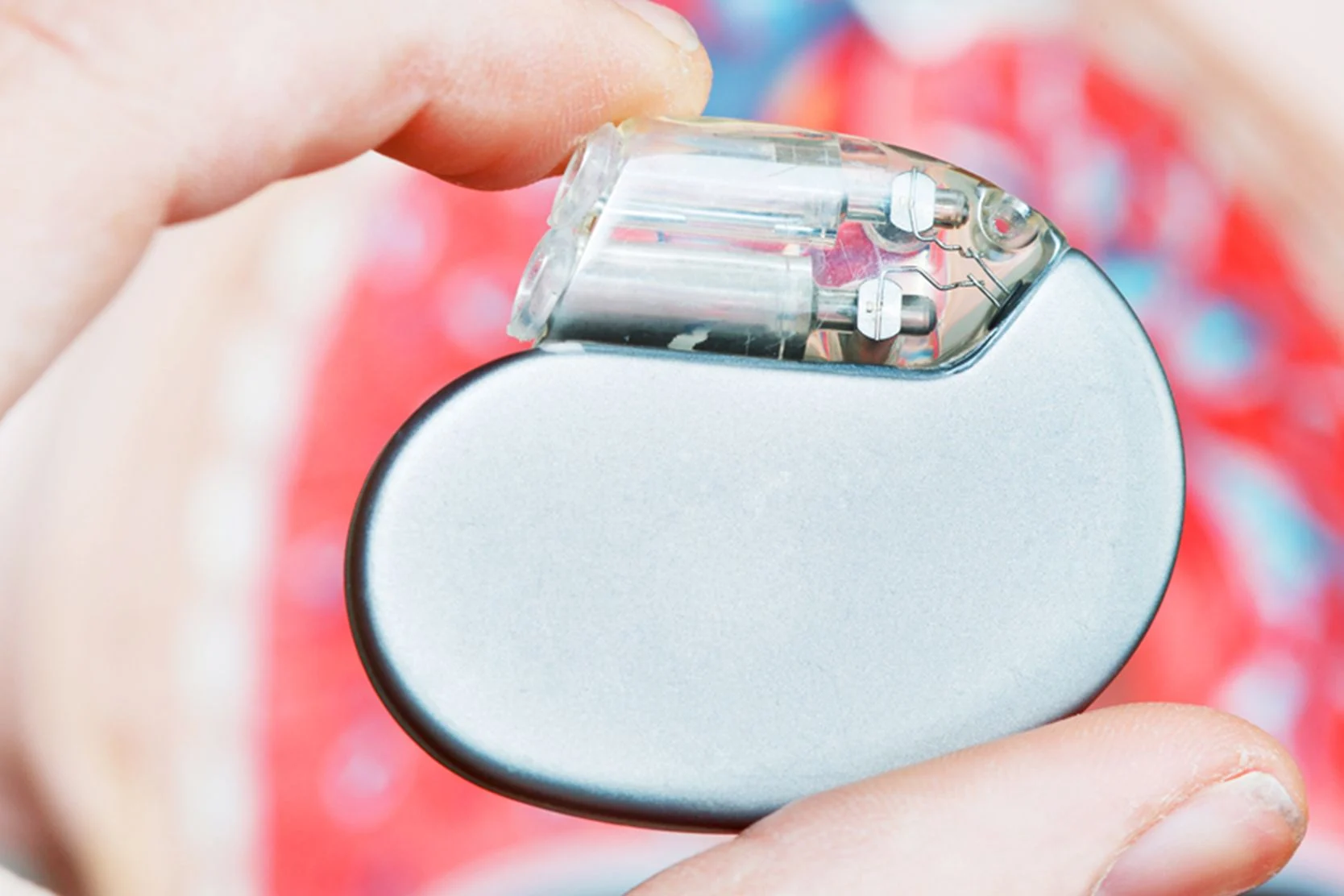
Implantable Cardioverter Defibrillator (ICD)
Learn how implantable cardioverter defibrillators (ICDs) use special pacing to help manage fast heartbeats and irregular heart rhythms.
Related services & conditions
Specialties
Conditions
Treatments
- Atrial Fibrillation Radiofrequency Ablation
- Atrial Fibrillation Ablation
- Ablation Arrhythmogenic Focus
- Ablation for Supraventricular Tachycardia
- Ablation for Ventricular Tachycardia
- Implantable Defibrillator
UCSF Health medical specialists have reviewed this information. It is for educational purposes only and is not intended to replace the advice of your doctor or other health care provider. We encourage you to discuss any questions or concerns you may have with your provider.