
Robotic Surgery
On this page
What is robotic surgery?
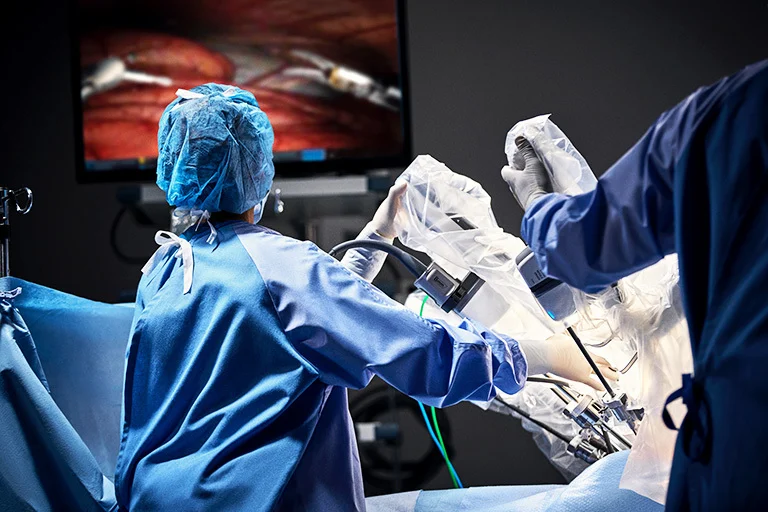
Robotic surgery, also called robot-assisted surgery, is a delicate surgical procedure using small instruments and robotic technology. During the surgery, your surgeon sits at a console near you, controlling robotic arms equipped with small cameras and surgical tools.
This type of surgery is minimally invasive, meaning it’s performed through several small incisions rather than a large one. Robotic surgery offers many benefits compared with other minimally invasive techniques. Your surgeon has enhanced precision, a wider range of motion and a clearer view of the surgical area.
Why choose UCSF Health for robotic surgery?
UCSF Health teams continue to expand our robotic surgery offerings. We are one of the highest-volume academic medical programs in the West , providing you with expert care and surgical experience.
At UCSF Health, you can expect:
- Leading technology. We use the most advanced robotic technology available, enabling our surgeons to achieve greater precision.
- Expert surgeons. Our robotic surgeons specialize in areas such as the urinary or GI tract, delivering enhanced, more precise surgical care.
- High-volume specialty. UCSF Health surgeons perform more than 2,000 robot-assisted procedures per year, giving you a highly experienced surgical team.
- Robotic surgery expertise. Our surgeons are world leaders in robot-assisted surgery, trained in the latest techniques.
When is robotic surgery used?
At UCSF Health, we use robot-assisted surgery across many specialties and for many conditions, including complex surgeries involving multiple specialists. Our robotic surgery team treats:
- Cancer
- Bariatric conditions
- Digestive issues
- Lung problems
- Neurological conditions
- Orthopedic needs
- Otolaryngological (ear, nose and throat) problems
- Reproductive and urinary concerns
You and your surgeon will discuss procedure options and choose the approach that is best for you.
How common is robot-assisted surgery?
Robotic surgery procedures are rising in the U.S., accounting for almost one-quarter of all surgeries.
Robotic surgery makes minimally invasive procedures available to more people. In the past, individuals who needed complex procedures had one option: open surgery. Now, thanks to the flexibility that robotic surgery allows, more people can access minimally invasive procedures.
Benefits of robotic surgery
Surgeons who use robotic surgery believe it provides better outcomes than other techniques, allowing them to perform complex procedures that wouldn't be possible otherwise.
Compared with traditional open surgery, robotic surgery offers:
- Smaller incisions
- Less scarring
- Less pain
- Faster recovery
- Lower risk of infection
Reduced chance of switching to open surgery
If an unexpected challenge arises during minimally invasive surgery, surgeons may switch to traditional open surgery to achieve the best outcome.
Several studies have shown that this switch is less likely to happen during robotic surgery than during other types of minimally invasive surgery.
Robotic surgery isn't the best choice in every situation. The type of procedure, your age, condition and medical history may make other techniques a better choice. We always consider your health goals and long-term outcome when determining the appropriate surgical approach. If you need surgery, you and your surgeon discuss the best option for you.
Award-winning care
2,000+
robotic surgeries per year

Among the top hospitals in the nation
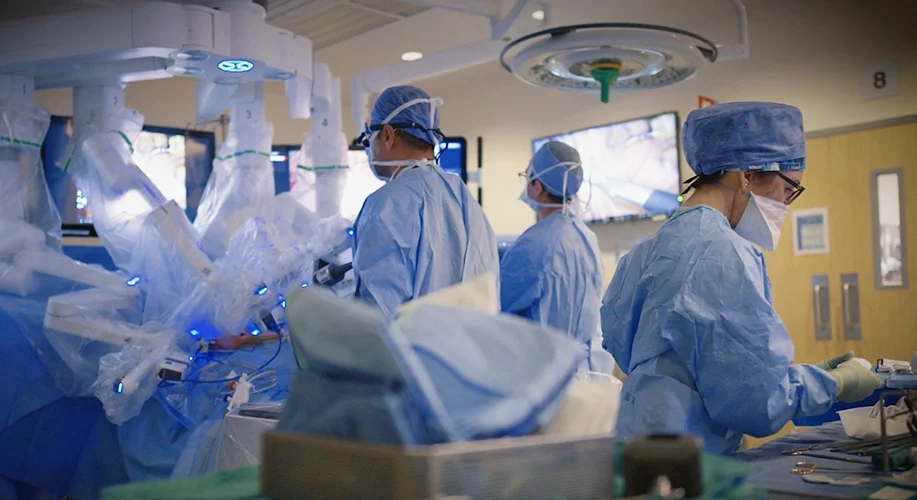
Robotic surgery for pancreatic tumor
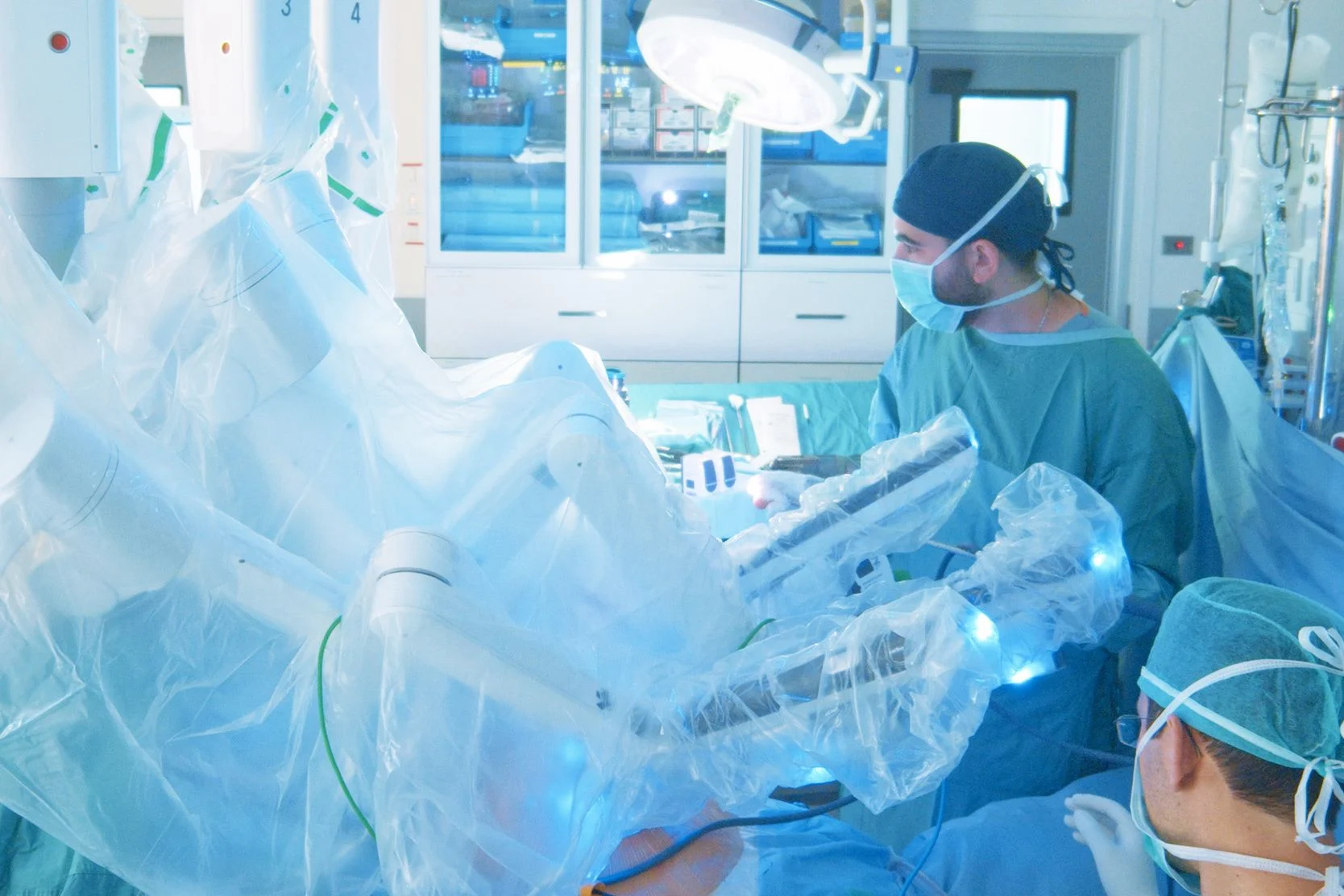
Robotic Surgery: Improving Precision and Patient Outcomes
Understand the advantages of robotic surgery, when surgeons use it and how the innovative technology is changing the surgery landscape.
Related services & conditions
Specialties
Conditions
- Polyarthritis
- Endometriosis
- Leiomyoma
Treatments
- Heart Surgery
- Robotic Colorectal Surgery
- Robotic Thoracic Surgery
- Robotic Urological Surgery
- Robotic Whipple